








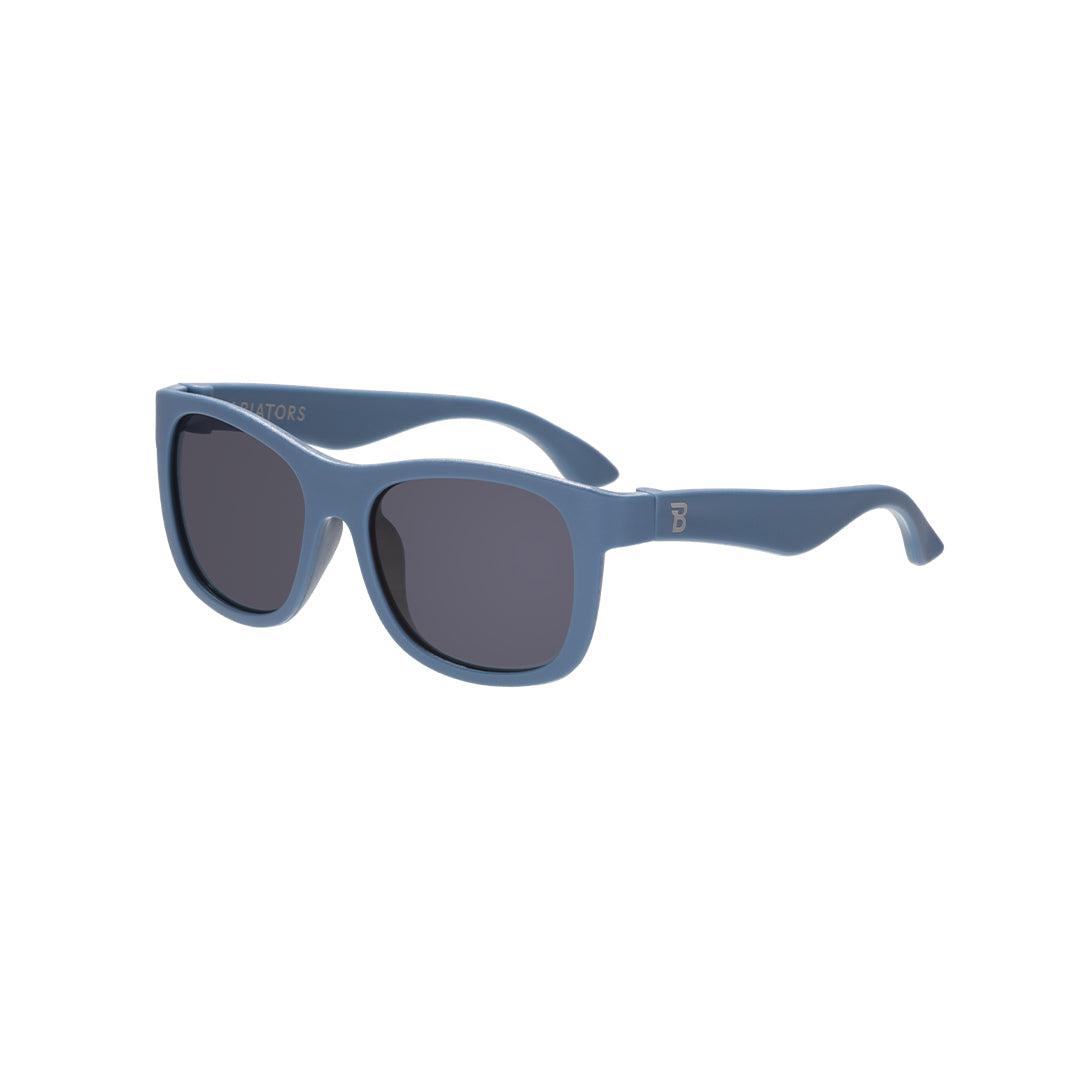
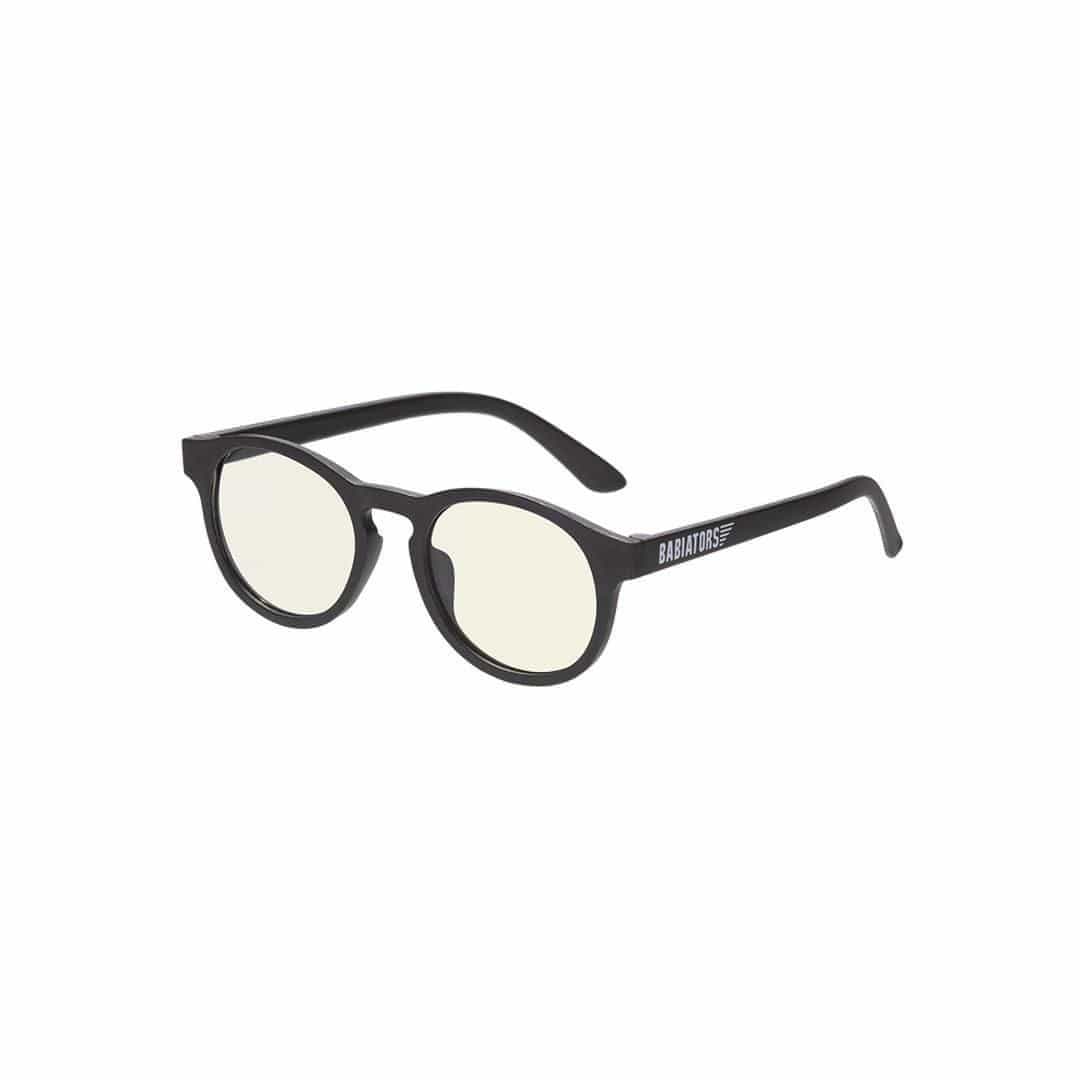


Best Kids Sunglasses for Beach Holidays
That first dash from the car to the sand usually tells you everything. Sun cream half on, buckets flying, somebody already heading for the water - and the sunglasses you packed are either being worn upside down or have vanished completely. Finding the best kids sunglasses for beach holidays is not just about picking a cute pair for photos. It is about protecting young eyes properly in one of the brightest environments they will face.
At the beach, children get hit with more than direct sunlight. UV rays bounce off water, pale sand and even nearby pavements, which means little eyes can get a double dose. Babies, toddlers and older children also tend to look up, move constantly and forget they are wearing anything delicate. So the right pair needs to do three jobs at once - deliver serious sun protection, stay comfortable, and survive real kid behaviour.
What makes the best kids sunglasses for beach holidays?
The short answer is simple: 100% UV protection comes first. If a pair does not clearly state that it blocks 100% of UVA and UVB rays, it is not beach-ready. Dark lenses alone are not enough. In fact, dark lenses without proper UV protection can be worse, because they may encourage the pupils to widen and let in more harmful light.
After protection, fit matters more than many parents expect. Sunglasses that slide down a sweaty nose or pinch behind the ears will not last five minutes on a hot beach. Children need frames sized for their age and face shape, whether that is 0-2, 3-5 or 6+. A good fit helps the glasses stay on during paddling, running and snack breaks, and it reduces the temptation to pull them off and fling them into the sand.
Durability is the next big one. Beach holidays are hard on accessories. Sunglasses get dropped on decking, sat on in the buggy, buried in beach bags and rinsed in salty hands. For kids, flimsy frames are a false economy. Parents usually end up buying multiple cheap pairs, which is not convenient and definitely not fun.
Why beach light is tougher on young eyes
Children's eyes are still developing, which means they can be more vulnerable to UV exposure than adult eyes. They also spend more time outdoors when the weather is good, and beach days tend to be long days. Add reflection from water and sand, and the exposure stacks up quickly.
That is why beach sunglasses should be treated more like essential kit than a nice extra. You would not skip sun cream because a hat looks cute. The same logic applies here. Great kids' sunglasses support all the other smart sun-safety habits you already use, from shade breaks to hats and swim tops.
Polarised or not - which is better for the beach?
If you are choosing between standard UV-protective lenses and polarised ones, this is where it depends on how your family uses them. Both should offer full UV protection. The difference is that polarised lenses also reduce glare, especially the bright reflected light that comes off water and pale sand.
For many beach holidays, polarised lenses are a brilliant upgrade. They can make it easier for children to keep their eyes open comfortably when the sun is strong, and that often means less squinting and less fuss. They are especially useful for older toddlers and children who are spending full days outside, near the sea or pool, or on boat trips.
That said, not every family needs polarised lenses for every trip. If you are buying a first pair for a very young child, the priority is still a comfortable fit, proper UV protection and frames tough enough to handle rough treatment. Once those boxes are ticked, polarised lenses can be the extra feature that makes a good beach pair even better.
The best frame features for babies, toddlers and older kids
When parents search for the best kids sunglasses for beach holidays, they often start with style. That is understandable - a playful heart frame or mini aviator can be hard to resist. But the real win is finding a pair that looks great and is built for actual wear.
For babies and toddlers, soft, flexible frames are usually the sweet spot. They should feel light, bend without snapping and sit securely without being tight. Younger children are less likely to tolerate sunglasses if they feel heavy or awkward. A pair that is easy to forget is exactly what you want.
For older children, shape becomes a little more personal. Some prefer rounded frames, some suit classic navigator styles, and some love something bolder. At this stage, comfort still matters just as much as looks. If they choose a style they genuinely like, they are far more likely to keep it on.
Lens durability matters too. Beach sand has a way of getting everywhere, and kids are not known for careful cleaning routines. Scratch resistance helps, but so does teaching children a simple habit - sunglasses go in a case or a safe pocket, not lens-down in the bottom of the beach bag.
Sizing matters more than parents think
One of the biggest reasons kids reject sunglasses is poor sizing. A pair designed for a broad age range can work, but a clearer age-based fit makes shopping much easier. It removes guesswork and gives parents more confidence when buying online.
If your child is between sizes, think about how they normally wear hats and helmets. If everything seems snug, sizing up may be more comfortable. If they have a smaller face for their age, a more fitted option is often better for beach wear because slipping gets irritating fast when there is sun cream, sea spray and heat involved.
The easiest test is this: can they look down, run a few steps and turn their head without the sunglasses dropping? If yes, you are probably close to the right fit.
Style still counts - because wearability counts
Parents know this already: the best protective product in the world is useless if your child refuses to wear it. That is why style is not superficial here. It is practical.
Children are much more likely to wear sunglasses that feel fun and feel like theirs. Bright colours, playful shapes and mini grown-up silhouettes all help. For some children, wanting to match an older sibling is enough. For others, choosing their favourite frame shape makes all the difference.
This is one reason brands built around kids rather than scaled-down adult eyewear tend to make more sense for beach holidays. The designs start with children in mind - how they move, how they play and what they will actually keep on.
What to look for before you buy
A reliable beach pair should offer 100% UV protection, child-friendly sizing and frames designed to handle bending, dropping and general holiday chaos. If there is a replacement promise or guarantee, that is a real bonus for parents. It takes the stress out of spending a bit more on better protection.
This is where premium kids' sunglasses often earn their place. You are not just paying for the look. You are paying for better materials, stronger construction and the reassurance that one accident does not automatically mean starting again. Babiators, for example, built its reputation around combining 100% UV protection with frames made for real-life rough and tumble, plus an Awesome Guarantee that helps remove the usual purchase panic.
A few beach mistakes worth avoiding
The most common mistake is assuming any small pair of sunglasses will do. Plenty of children's styles look the part but do not provide the level of protection needed for strong summer sun. Another is buying a pair that is too big in the hope your child will grow into it. On the beach, too big usually means too loose, and too loose usually means lost.
It is also easy to forget that sunglasses need rinsing and wiping gently after a sandy day out. Salt and grit can shorten the life of the lenses if they are rubbed in carelessly. A quick rinse with fresh water and a soft clean helps keep them ready for the next day.
So what are the best kids sunglasses for beach holidays?
The best pair is the one that your child will actually wear from the walk to the shore through to the ice cream queue on the way home. That means proper UV protection, a secure age-right fit, and enough durability to cope with being dropped, bent and packed in a hurry. If you can add polarised lenses for glare reduction, even better.
For babies, keep it light, soft and secure. For toddlers, prioritise bendy frames and comfort over anything fiddly. For older kids, let style help you win the daily battle, but never compromise on protection. The beach should be all about paddling, digging and making family memories - not squinting, fussing or replacing another broken pair by day three.
Choose a pair that works as hard as they play, and your holiday packing list gets one lot easier.
 Back to Blog

