










Baby Eye Protection Outdoors Made Simple
A pram hood up, a sunhat on, and five minutes later your little one has wriggled half of it off. That is usually the moment baby eye protection outdoors stops feeling like a simple tick-box and starts feeling like a real parenting job. The good news is that it does not need to be complicated. With the right habits and the right sunglasses, you can make outdoor time safer without turning every walk into a negotiation.
Why baby eye protection outdoors matters
Babies and young children spend a lot of time looking up, lying back in buggies, or sitting at buggy height where light bounces up from pavements, sand, water and even snow. Their eyes are still developing, and they are less likely to squint, look away, or tell you when the glare feels uncomfortable. That means they often get more sun exposure than adults realise.
UV protection is the main concern, but glare matters too. Bright reflected light can make it harder for little ones to keep their eyes open comfortably, especially on beach days, in the park at midday, or on family ski trips. A baby who seems fussy outside may not just be tired or hungry - they may be struggling with the brightness.
There is also a practical point here. Skin gets plenty of sun-safety attention, but eyes are easy to miss because they do not go pink in the same obvious way. Parents often remember sun cream and forget that eye protection belongs in the same routine.
What actually protects a baby's eyes?
The best approach is layered. No single item does all the work, especially with babies and toddlers who are experts at pulling things off and throwing them under the buggy.
Shade is your first line of defence. A buggy canopy, parasol, tree cover, or simply choosing the shady side of the street can cut down direct sun. A wide-brimmed hat helps too, particularly when the sun is high. But shade has limits because UV and glare can still reflect upwards from the ground.
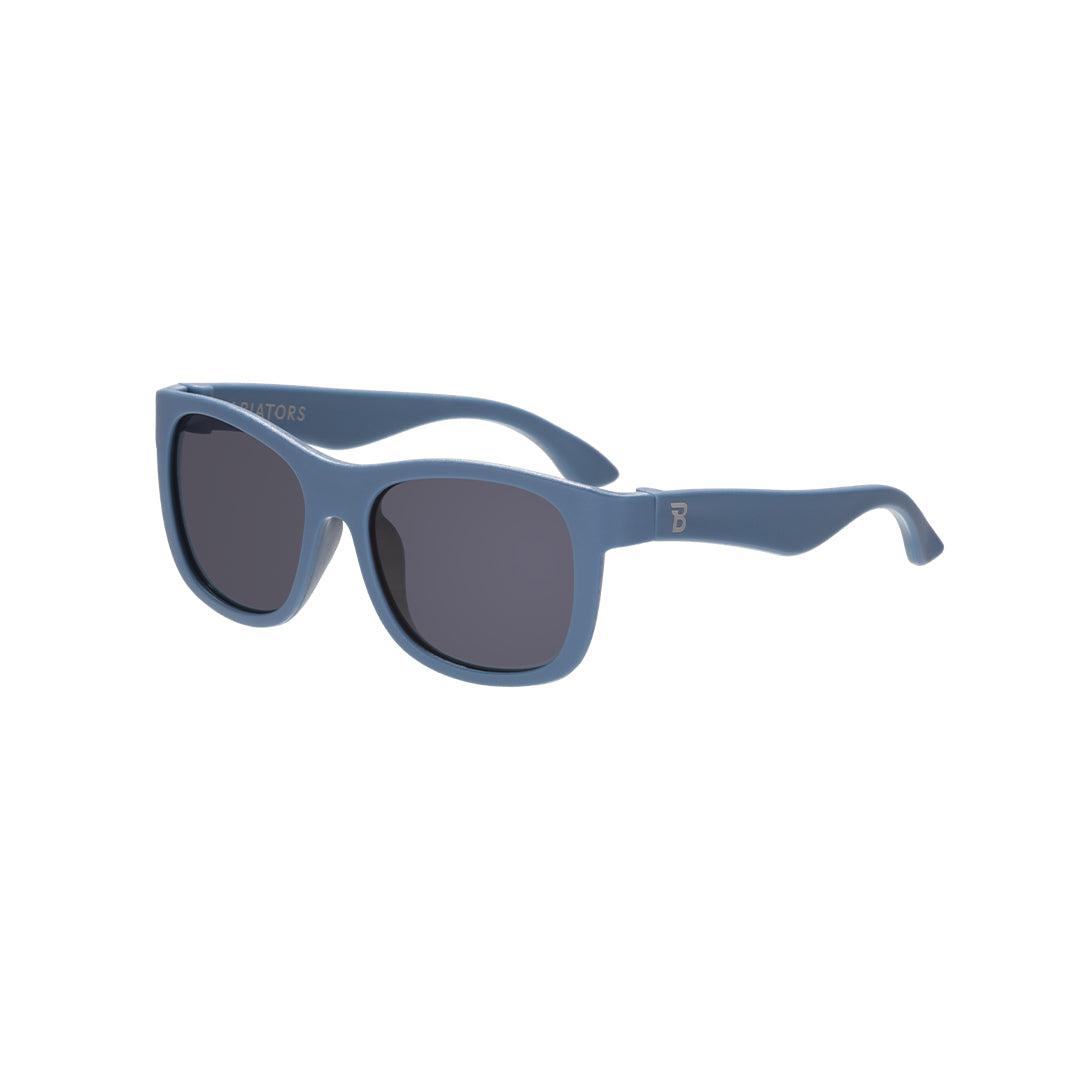
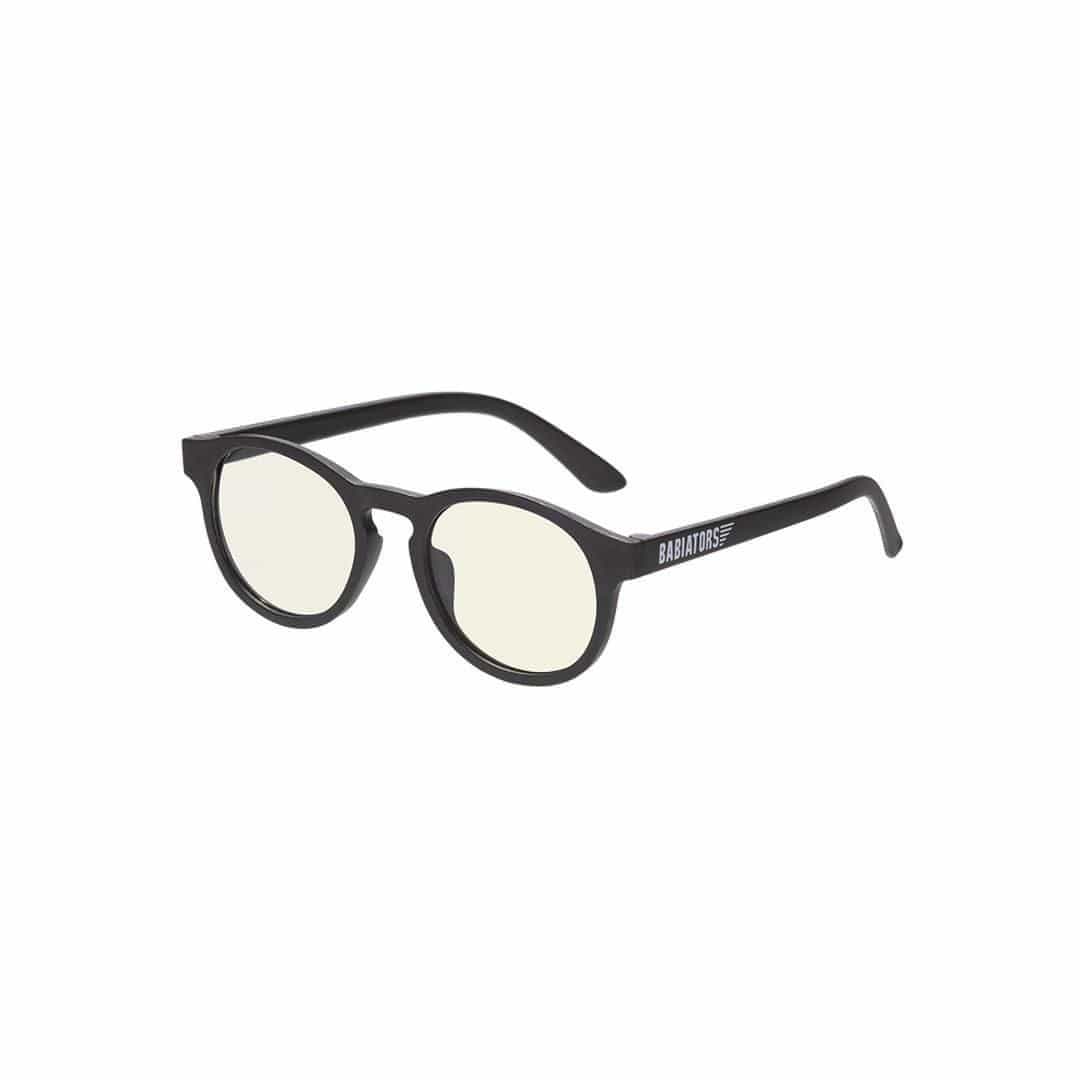
That is where sunglasses come in. Good baby sunglasses should provide 100% UVA and UVB protection, fit securely without pinching, and stay comfortable enough that your child will actually keep them on. Comfort matters more than many parents expect. If the arms dig in, the bridge slips, or the frames feel heavy, they are usually off within minutes.
Lens quality matters as well. Dark lenses without proper UV protection are not helpful because they can make pupils open wider while still letting harmful rays through. What you want is real UV protection, not just a darker tint. Polarised lenses can also be useful in very bright environments because they reduce glare from reflective surfaces like water, pavements and snow. They are not essential for every family, but for holidays, long buggy walks, or outdoor meals in strong sun, many parents find the difference noticeable.
When should babies wear sunglasses?
If your baby is outdoors in bright daylight, sunglasses are worth considering, especially in spring and summer and during peak sun hours. That said, this is not an all-or-nothing rule. On a quick dash from the car to nursery, a hood and hat may be enough. On a long walk, a day at the seaside, or a sunny lunch outside, sunglasses make much more sense.
It also depends on your child. Some babies are very light-sensitive and clearly more comfortable with eye protection. Others tolerate brightness better but still need shielding from UV. If your little one keeps blinking, turning their face away, rubbing their eyes, or getting unsettled in bright spaces, that is a clue the light may be bothering them.
Winter does not get a free pass either. Low sun can be harsh, and reflective glare can be strong even on chilly days. If you have ever been dazzled on a frosty morning walk, your child probably was too.
How to choose sunglasses your child will keep on
This is where many parents get stuck. Protection is only useful if the sunglasses stay on for more than thirty seconds.
Start with size. Frames should be chosen by age range as a guide, but fit is what counts. Sunglasses should sit securely without sliding down the nose or pressing into the temples. If they are too big, they will slip. Too small, and they become uncomfortable fast.
Next, think about durability. Babies bend, drop, chew and launch things. Toddlers are not gentler. Flexible, child-friendly frames can make the difference between a pair that lasts and a pair that is done by the second trip to the playground. Parents do not need sunglasses that survive one careful wear. They need a pair built for real life.
Style matters more than adults like to admit. If a child enjoys wearing something, you are halfway there. Fun shapes, cheerful colours and mini-grown-up styles can turn sunglasses from a battle into part of the outfit. That is not just cute - it is practical.
If you are shopping for a baby or toddler, simple is better. Lightweight frames, easy sizing and a clear UV claim take away the guesswork. That is one reason many families choose brands built specifically for children rather than shrinking down adult styles. Babiators, for example, focuses on kid-proof frames and 100% UV protection, which is exactly the combination most parents are after.
Building sun-safe habits without the drama
Getting a baby used to sunglasses is often about repetition, not perfection. Put them on before you step into bright sun rather than after your child is already squinting and cross. Keep the routine consistent so sunglasses become part of going out, like shoes or a hat.
For toddlers, it helps to frame sunglasses as something positive. Let them pick a favourite colour or shape. Mention how they help on bright days. Mirror play can help too - children often accept new things faster when they can see themselves wearing them.
Do not be discouraged if the first few tries fail. Many babies need a few short wears before sunglasses feel normal. Start with buggy walks when little hands are less busy, then build up to longer stretches.
It is also worth remembering that sunglasses are not a substitute for timing. If you can, avoid the strongest midday sun for long outdoor sessions. A morning park trip or a later afternoon stroll is often easier on little eyes and skin alike.
Common mistakes parents make
The most common mistake is assuming a hat alone is enough. Hats help a lot, but reflected light still reaches the eyes. The second is buying sunglasses based only on looks, without checking UV protection. Cute matters, but protection comes first.
Another easy miss is using sunglasses that are too flimsy for children. If a pair snaps, pinches or slides constantly, parents stop reaching for them. Sun safety works best when it feels easy.
There is also the trap of saving sunglasses only for beach holidays. In the UK, bright UV exposure happens in gardens, parks, playgrounds and buggy walks too. Cloud cover can reduce brightness, but UV can still be present, which catches people out.
Baby eye protection outdoors in different settings
A local walk may call for a hat, buggy shade and sunglasses if the sun is strong. At the beach, eye protection becomes more important because sand and water bounce light upwards. On snow holidays, glare is often intense enough that proper sunglasses are not optional.
Car journeys are a slightly different case. Side windows can create uncomfortable brightness, especially when the sun is low. If your child is bothered by glare but safely tolerates sunglasses in the car seat, they can help. Just make sure the fit stays comfortable and does not interfere with the seat.
For babies in carriers, pay attention to the sun angle. They are close to your body, but their face may still be exposed from above or from the side. A hat plus sunglasses often works well here.
What parents really need to remember
You do not need to chase perfect sun control every minute of the day. You just need a reliable system. Think shade first, then hat, then sunglasses with 100% UV protection when brightness and exposure call for them. Choose frames made for children, not for careful handling, and keep them somewhere easy to grab before every outing.
Little eyes have a lot of growing to do. Protecting them now is one of those small, steady parenting wins - simple enough to repeat, powerful enough to matter.
 Back to Blog

