










A Parent's Guide to Toddler Outdoor Protection
The paddling pool is full, the park is calling and your toddler has already made a break for the front door. Outdoor play is brilliant for busy little bodies, but it comes with a few grown-up jobs. This guide to toddler outdoor protection helps you prepare for sunshine, heat, changing weather and all the wonderfully unpredictable ways toddlers play.
Start with the sun, not the temperature
A bright British day can catch families out. UV rays are not only a concern on sizzling summer afternoons - they can reach skin and eyes through cloud, bounce off water and feel stronger than expected on a breezy beach day. If your child is outside, sun protection belongs in the get-ready routine, alongside shoes and snacks.
Check the UV forecast as well as the temperature. When UV levels are higher, plan active outdoor time for earlier in the morning or later in the afternoon where possible. This is not about keeping toddlers indoors. It is about making room for long, happy play without relying on luck.
Shade is your first line of defence. A buggy canopy, parasol, pop-up tent or a leafy spot in the garden can give little ones a place to cool down between games. Just remember that shade reduces exposure rather than removing it completely, especially near sand, paving and water.
Protect little eyes from UV rays
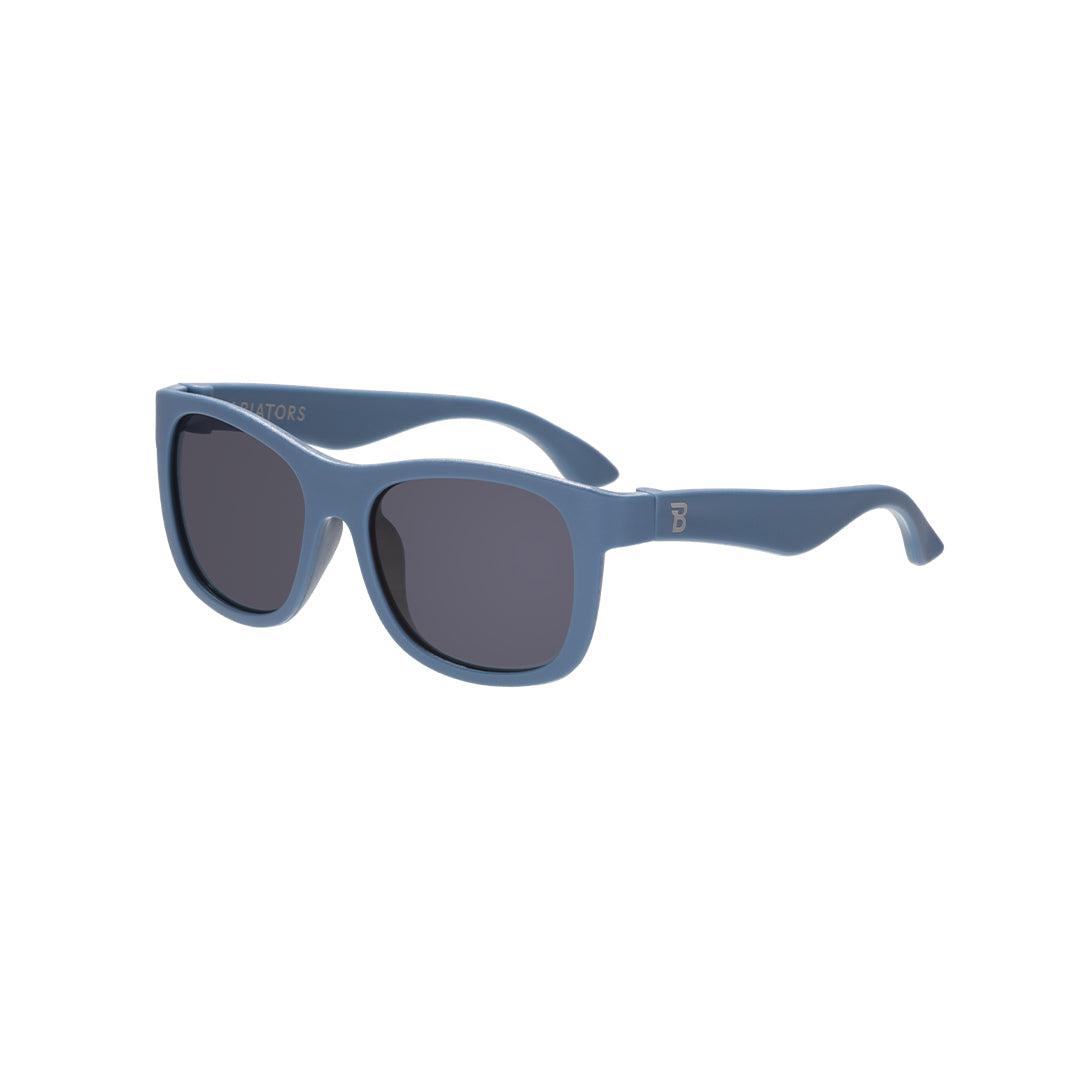
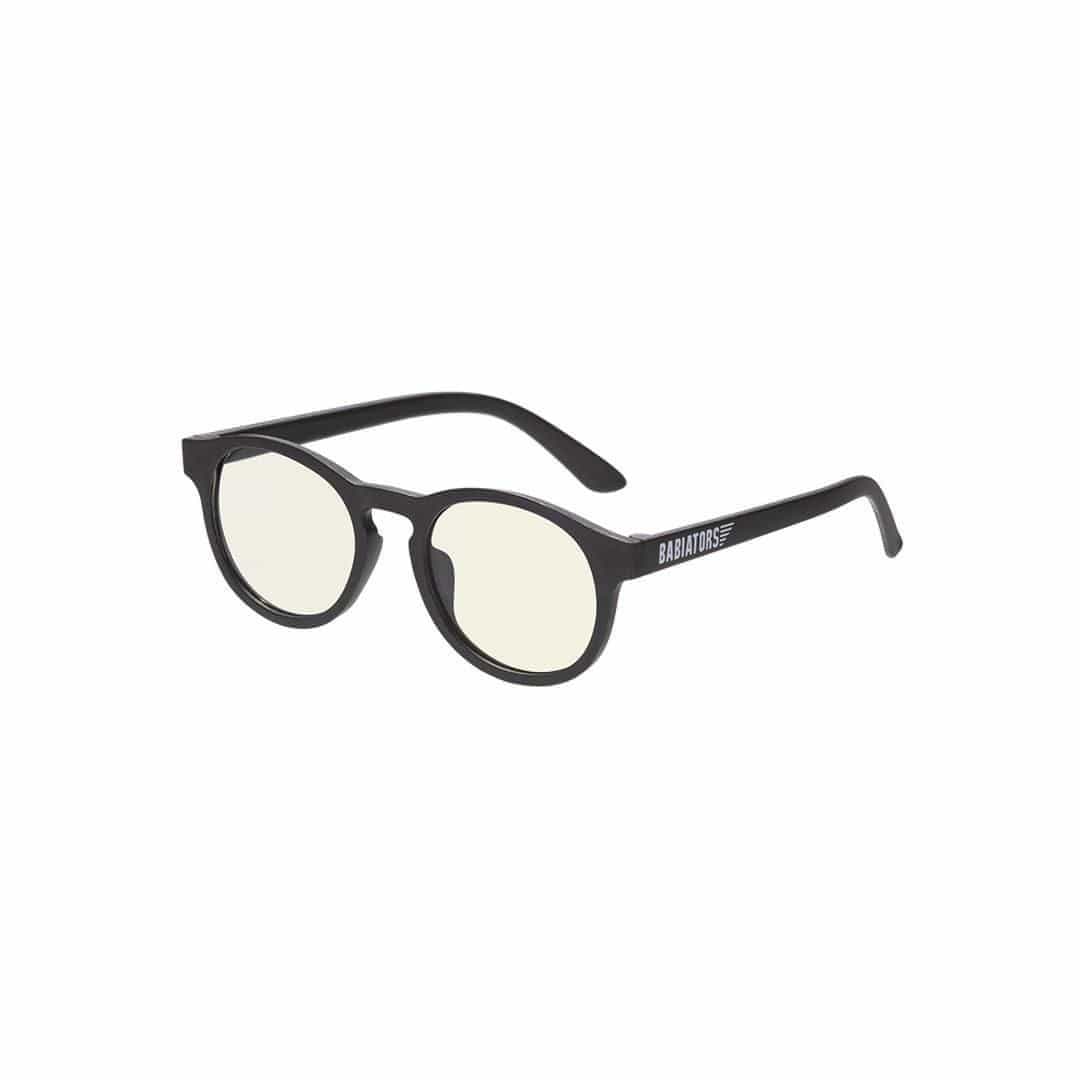
Toddlers look up, run towards the light and rarely keep a hat perfectly in place. That is why proper sunglasses are more than a cute holiday accessory. Choose frames marked with 100% UV protection, or UV400 protection, to help block both UVA and UVB rays.
Fit matters just as much as the label. Sunglasses should sit comfortably on the nose, cover the eye area well and stay put during a full-speed dash towards the climbing frame. A lightweight, flexible frame makes a difference when glasses are likely to be bent, dropped or used as an impromptu toy. For parents who need eyewear built for real kid behaviour, Babiators pairs 100% UV protection with virtually indestructible frames and an Awesome Guarantee that replaces broken sunglasses free for one year.
A wide-brimmed or legionnaire-style hat adds useful coverage for the face, ears and neck. Sunglasses and a hat work best together, but neither replaces shade or sun cream. Think layers, not one magic product.
Make sunglasses part of the leaving-the-house routine
Toddlers are far more likely to wear sunglasses when they feel like theirs, rather than something that appears only when adults insist. Let them choose between two parent-approved colours or styles. Put their glasses on when you put yours on, and keep a case or pouch in the changing bag so they are easy to find before a walk, nursery pick-up or day out.
If your child pulls them off at first, keep it low-pressure. Try short stints in the buggy, at snack time outdoors or while they are doing something they love. Consistency usually beats negotiation.
Use sun cream well, not just once
For children old enough to use it, apply a generous layer of broad-spectrum, water-resistant SPF 30 or higher sun cream before heading outside. Do not forget the easy-to-miss spots: the tops of feet in sandals, ears, back of the neck, shoulders, hair parting and the backs of knees.
Reapply regularly, especially after water play, towelling, sweating or a determined session in the sandpit. The exact timing can vary by product, so follow the label. Sun cream is helpful, but it is not a reason to stay in direct midday sun for longer.
Babies need extra care. Keep very young babies out of direct strong sun and use shade, loose protective clothing and a hat as the main approach. If you are unsure which products are suitable for your child's age or skin, ask a pharmacist, health visitor or GP.
Dress for movement and changing weather
The best toddler outdoor clothes protect without making play miserable. On hot days, choose loose, lightweight fabrics that cover shoulders and are easy to take off or add back on. A long-sleeved UV-protective top can be a practical choice for beach days or water play, when sun cream may wash or rub away.
For ordinary UK outings, layers win. A toddler can go from a sunny playground to a chilly café, then decide every puddle needs inspecting. Pack a light waterproof, spare socks and an extra top if the forecast is mixed. In cooler weather, watch for overheating too - a child running around in a fleece may need a layer removed long before an adult does.
Footwear should match the surface. Closed-toe shoes work well for woodland paths and busy play areas, while secure sandals are better than loose flip-flops near water. Bare feet are perfect for some grass-and-garden moments, but check for hot decking, sharp stones, stinging insects and anything else at toddler level first.
Keep heat and hydration manageable
Toddlers can be too busy playing to notice they are hot or thirsty. Bring water whenever you will be out for more than a short trip, and offer small drinks often rather than waiting for them to ask. A familiar bottle or cup makes this easier, particularly when travelling.
Look for early signs that your child needs a break: flushed cheeks, unusual tiredness, irritability, headache, dizziness, less interest in playing or a hot, dry feel. Move them into a cooler shaded area, offer fluids and remove extra layers. Seek urgent medical advice if they become very unwell, confused, unusually drowsy or have symptoms that worry you.
Food can help too. A cool snack break gives everyone a reset. Fruit, yoghurt pouches kept chilled and simple picnic foods are useful, but never leave food or drinks sitting in strong sun for long.
Be water-wise, even with shallow water
Paddling pools, garden water tables and the edge of a beach can turn into big adventures quickly. They also need close, uninterrupted adult supervision. Toddlers can get into difficulty in very little water, so stay within arm's reach rather than supervising from a chair, the barbecue or behind a phone screen.
Empty paddling pools after use, and make the ground around them less slippery where you can. At the beach, keep an eye on tide times, currents and the changing depth of the water. Armbands and buoyancy aids can support water play, but they do not replace an attentive adult.
Water reflects UV rays, so this is a moment to be especially thorough with shade breaks, a hat, protective clothing and UV-safe sunglasses.
Plan for bugs, scrapes and the unexpected
You cannot child-proof every field, garden or trail. You can make the most likely bumps easier to handle. A small outdoor kit with plasters, wipes, spare clothes, water and any essentials your child needs is usually enough for everyday adventures.
Teach simple habits as your toddler grows: do not touch unknown berries or mushrooms, give dogs space, stop when an adult calls, and tell you if something stings, bites or hurts. Keep insect repellent age-appropriate and use it according to the instructions. After time in long grass or woodland, a quick check for ticks is sensible.
The goal is not to make outdoor play feel risky. It is to build calm routines that let your child explore with confidence. A little preparation means you can say yes to one more slide, one more splash and one more look at that very important worm - while keeping their small, mighty body protected.
 Volver a Blog

