










Baby Sunglasses Review UK for Parents
The pair that survives the buggy basket, the beach bag and a full toddler meltdown is usually the pair worth buying. That is the real starting point for any baby sunglasses review UK parents can actually use - not just how cute they look in a holiday photo, but whether they protect little eyes properly and stay on long enough to matter.
Parents are right to be picky here. Babies and toddlers are outside in bright light more often than we sometimes realise - on walks, in the garden, at nursery pick-up, by the sea, on ski breaks and even in the pushchair with the hood down. Good sunglasses are not a fashion extra. They are part of your child’s sun safety kit, along with hats, shade and sunscreen.
What matters most in a baby sunglasses review UK parents can trust
The first thing to look for is proper protection. Baby sunglasses should offer 100% UVA and UVB protection. If that claim is missing, vague or buried in the small print, move on. Dark lenses without full UV protection can be worse than no sunglasses at all, because they may cause pupils to widen while still letting harmful rays in.
After that, durability matters far more than many parents expect. Adults can baby a pair of sunglasses. Babies cannot. Frames get bent, dropped, chewed, sat on and launched from the buggy in under ten minutes. If the frame feels brittle in your hand, it is unlikely to last a family weekend away.
Fit is the next big one. This is where many purchases go wrong. A pair can have excellent lenses, but if it slips down a tiny nose or pinches behind the ears, your child will pull it off straight away. Good baby sunglasses should feel light, secure and comfortable, with sizing that matches age realistically rather than vaguely.
UV protection first, style second
There is nothing wrong with wanting sunglasses that look adorable. In fact, fun shapes and cheerful colours can make it easier to get little ones to wear them. But protection has to come first.
Look for clear, direct language around 100% UV protection. Parents should also pay attention to lens category and whether the sunglasses are designed specifically for babies rather than scaled-down adult fashion frames. Tiny faces need a different fit, and younger children need materials that are built for rough handling.
Polarised lenses can be a smart upgrade for some families, especially if you spend time around water, bright pavements, snow or the car. They help cut glare, which can make everything more comfortable in strong sunlight. That said, they are not essential for every family. If your main priority is everyday park trips and nursery runs, full UV protection and a secure fit may matter more than premium lens extras.
Why durability changes the value calculation
Cheap children’s sunglasses often look like a bargain until they break within a week. Then you are buying another pair, and another. Suddenly the lower price does not feel especially clever.
That is why flexible, child-proof frames stand out in any honest baby sunglasses review UK readers are shopping for. You want sunglasses that can handle real life - bending, dropping and all the chaos that comes with babies and toddlers learning through touch. When frames are designed to be virtually indestructible, parents get what they actually need: fewer replacements and less daily drama.
This is also where a replacement promise can make a huge difference. If a brand will replace broken sunglasses for free within a set period, that takes a lot of risk out of the decision. For parents who have been burnt by flimsy pairs before, that sort of guarantee is not a gimmick. It is reassurance.
The fit test for babies and toddlers
Sizing can feel surprisingly stressful when buying eyewear online. Most parents are not measuring temple width during breakfast. So the best systems keep things simple, with age-based sizing that reflects how families really shop.
For babies, a 0-2 size usually makes the process much easier. For pre-schoolers, 3-5 is a useful guide. Older children often move into 6+ sizing, although face shape still matters. If your child sits between age groups, comfort should lead the decision. Too tight and they will reject them. Too loose and they will spend more time on the floor than on your child’s face.
A good fit should sit neatly across the bridge without slipping, and the arms should feel secure without leaving marks. Lightweight frames tend to work best because they are less distracting for younger wearers. This matters more than parents think. The more comfortable the sunglasses feel, the less likely your child is to treat them like a toy.
Which lens type suits your family?
Not every family needs the same setup, and that is worth saying clearly. Some parents want a dependable everyday pair for the pram, park and holiday suitcase. Others want upgraded lenses for brighter environments and longer outdoor days.
Original lenses are often enough for day-to-day use if they offer proper UV protection and the frame is strong. Polarised lenses are useful when glare is a regular issue, especially on beach trips, near lakes or on winter holidays where sunlight bounces off snow. Eco-minded families may also prefer frames made with more sustainable materials or packaging, particularly if they are trying to make small, better swaps across the household.
There is no single right answer here. It depends on how your family spends time outdoors and how often your child will wear the sunglasses.
Frame style matters more than you might think
Parents often start with the cutest shape, and fair enough. Hearts, flowers, round frames and mini aviator-inspired looks all have their place. But style also affects wearability.
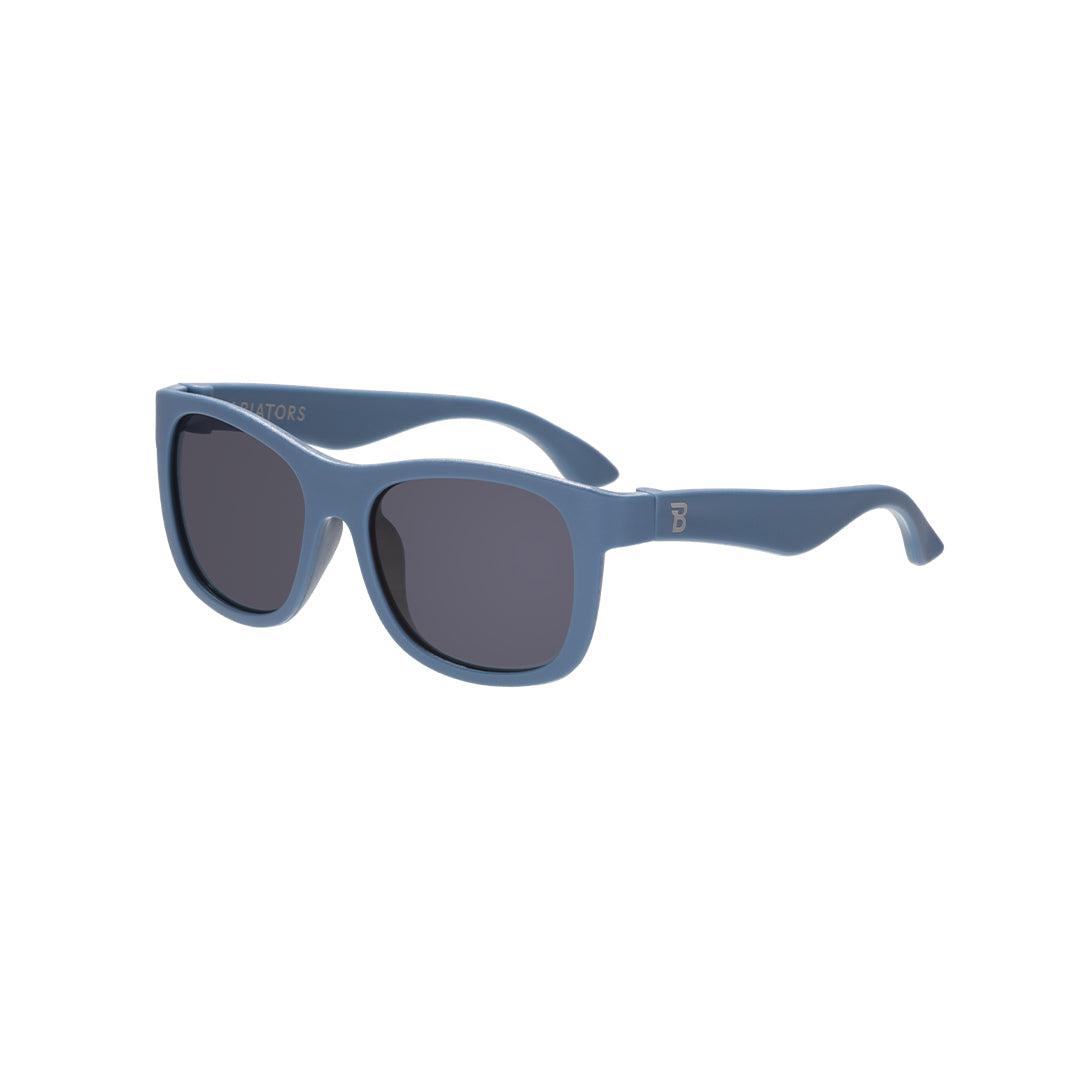
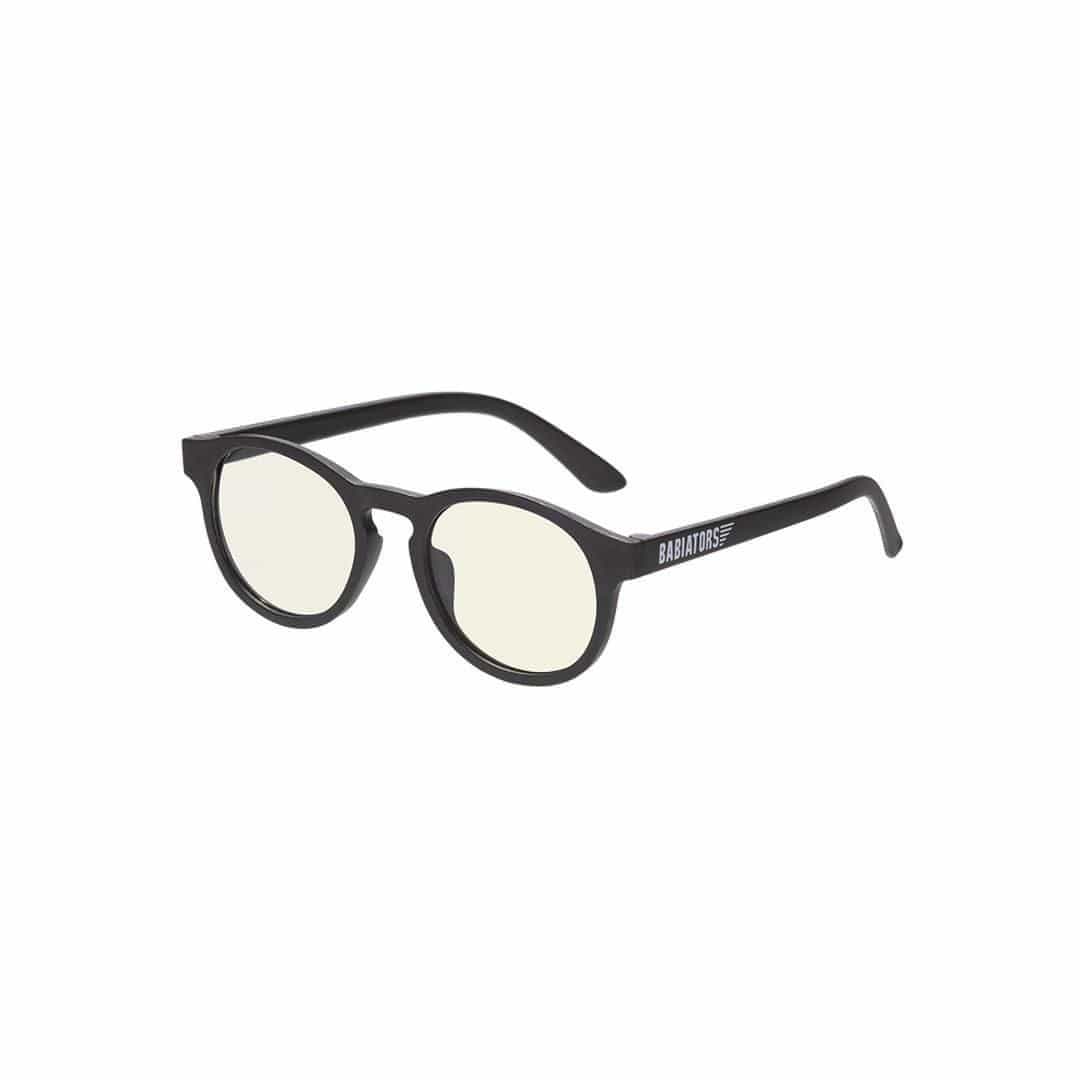
Rounder frames can suit smaller faces beautifully and give good everyday coverage. Navigator or aviator-style shapes often appeal to parents who want a more classic look. Heart and flower shapes bring the fun, which can be brilliant for children who are more willing to wear something they have chosen themselves.
The trick is balancing personality with practicality. A stylish frame only works if your child keeps it on. The best pairs combine playful design with a fit that feels easy from the first wear.
What parents should watch for before buying
A few red flags come up again and again. If product information is vague, if there is no clear mention of 100% UVA and UVB protection, or if the sunglasses look like novelty accessories rather than protective eyewear, keep looking. The same goes for frames that feel hard, heavy or fragile.
Reviews also matter, but read them with a parent’s eye. The useful comments are usually the ones that mention age, fit, comfort and how the sunglasses held up after being dropped a dozen times. Praise for style is nice. Praise for durability is better.
It is also worth checking how easy the buying journey is. Parents do not want to decode a complicated sizing chart or compare six technical lens terms before coffee. Clear navigation by age, frame style and lens type saves time and gives much more confidence when shopping online.
Where premium baby sunglasses earn their keep
This is one area where paying a bit more can make sense. Premium baby sunglasses should not just look better. They should solve the problems parents actually have - weak frames, poor fit, uncertain protection and the frustration of buying replacement pairs over and over.
That is why brands with a strong sun safety mission stand out. When a company talks clearly about protecting children’s eyes, builds sunglasses specifically for babies and toddlers, and backs them with a real guarantee, the product starts to feel less like an accessory and more like a sensible bit of kit. Babiators UK sits firmly in that space, with child-focused sizing, durable frames and a replacement promise that removes a lot of the guesswork.
So what makes a pair worth recommending?
In plain terms, the best baby sunglasses for UK families do four things well. They protect little eyes with 100% UV coverage, they fit comfortably, they survive proper kid-level treatment and they make life easier for parents rather than adding another thing to manage.
If you can also get a style your child likes wearing, that is a bonus worth having. The right pair should feel simple, sturdy and ready for sunny days out, whether that means a pram nap in the park or a full week of seaside adventures.
Little eyes have years of bright days ahead of them. Choosing sunglasses that are built for real children, not just pretty pictures, is one of the easiest ways to Raise Your Sun Safety from the start.
 Volver a Blog

