








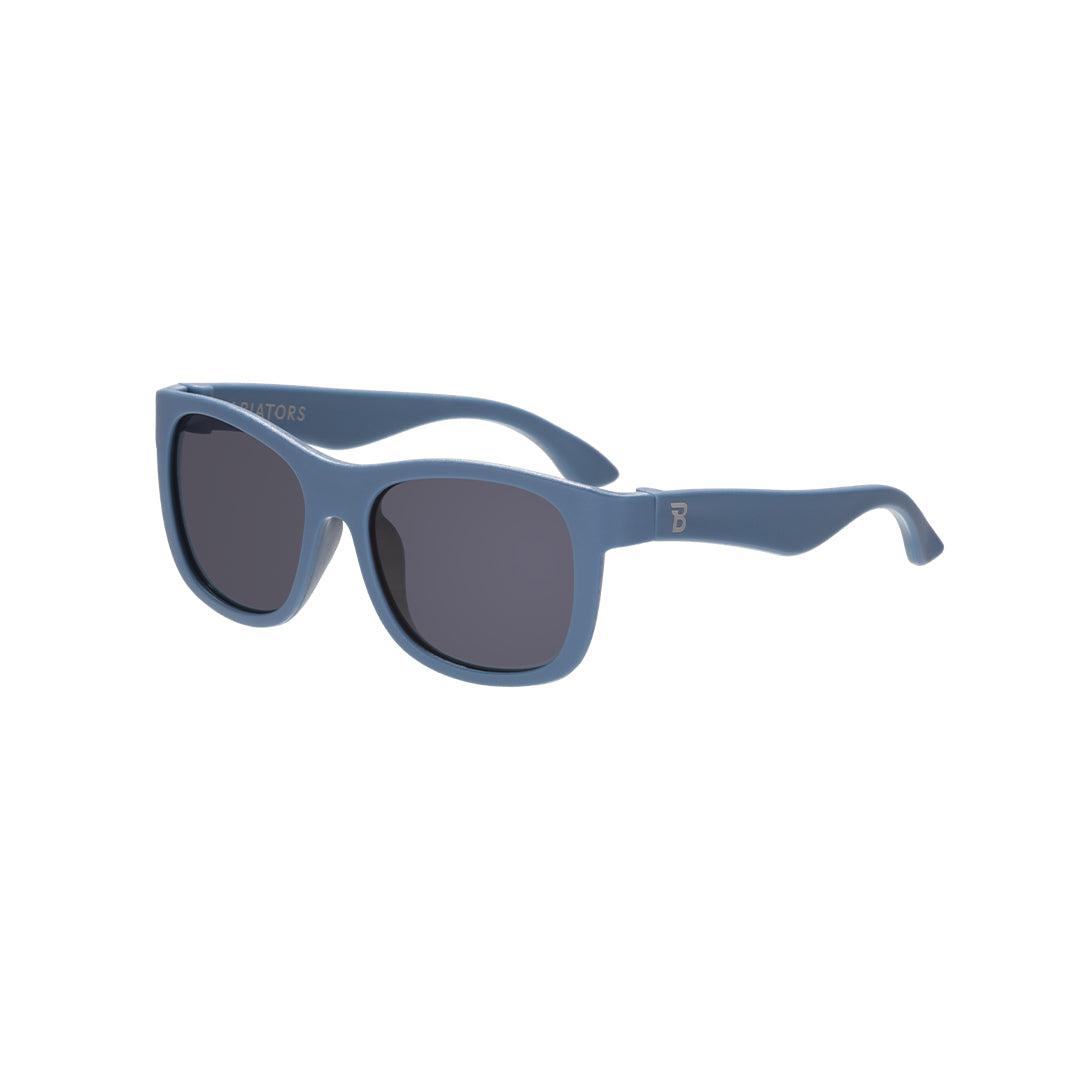
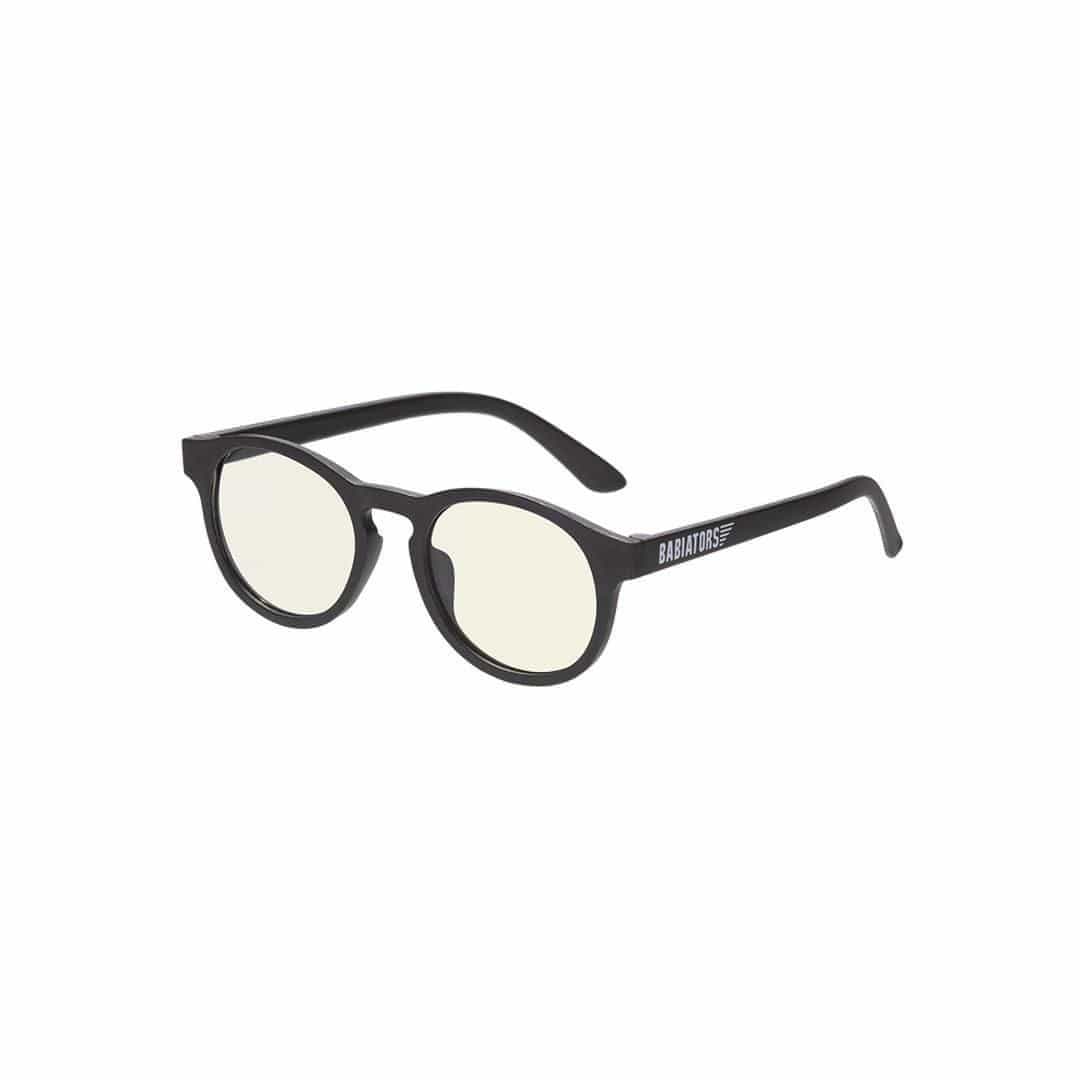
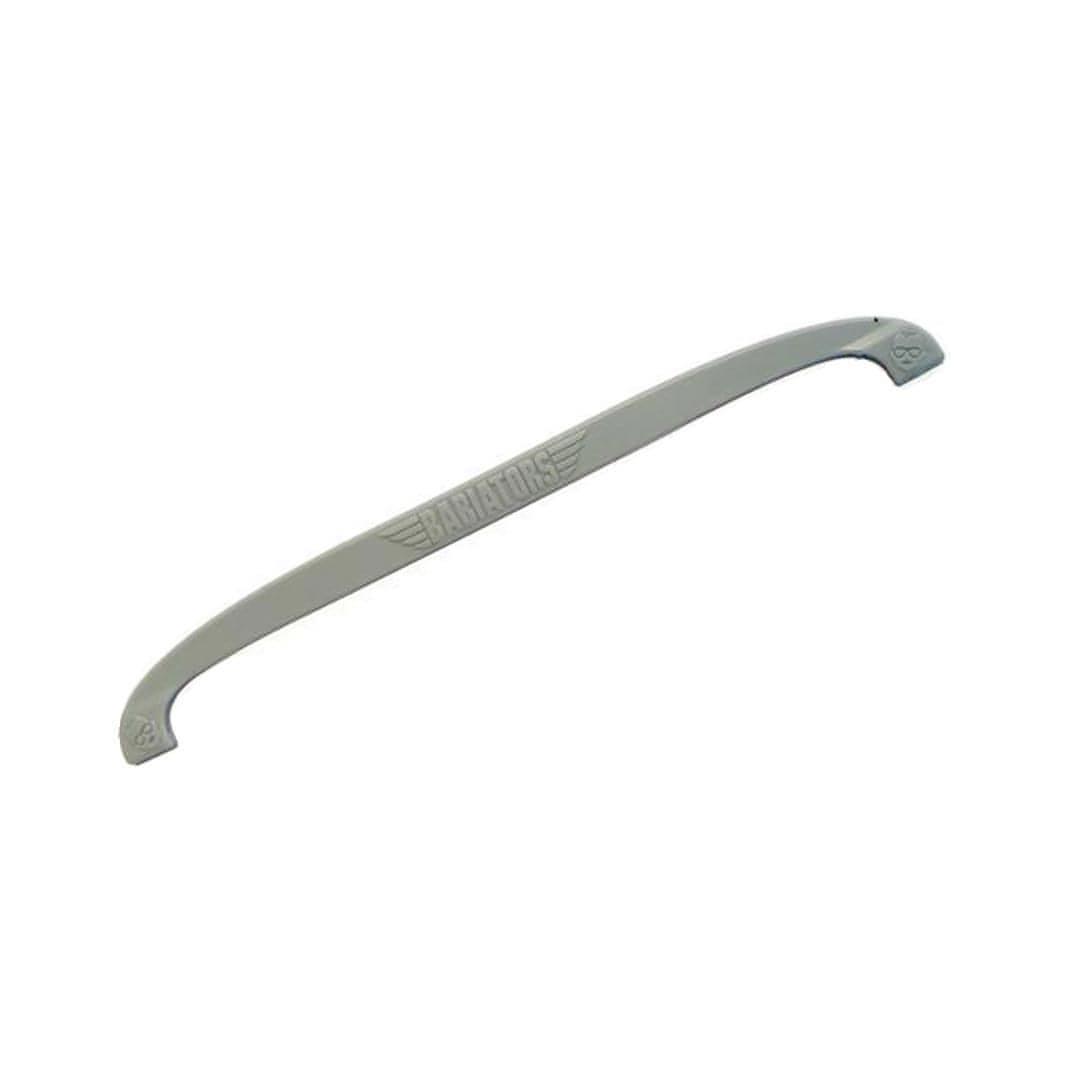


Why Childproof Sunglasses Frames Matter
You can spot flimsy kids’ sunglasses in seconds. One twisted arm, one dropped pair on the pavement, one overexcited tug during a buggy ride - and they are finished. That is exactly why childproof sunglasses frames matter so much for babies, toddlers and young children. Parents do not just need a cute pair. They need sunglasses that stay comfortable, protect growing eyes with 100% UV protection, and survive real life with little ones.
What makes childproof sunglasses frames different?
A childproof frame is not simply a smaller version of an adult style. It is built around the way children actually wear, pull, drop and bend their sunglasses. Kids are curious. They push frames up with sticky fingers, sit on them in the car, fling them into the changing bag, and hand them over after they have already been stepped on. If the frame cannot cope with that, it is not designed for family life.
Good childproof sunglasses frames are flexible rather than brittle. They should bend a little without snapping, feel light on small faces, and sit securely without pinching behind the ears or across the bridge of the nose. That balance matters. Too rigid, and they break. Too loose, and children keep taking them off. Too heavy, and they become one more thing your child refuses to wear.
The other essential difference is protection. Durability is brilliant, but only if the lenses are doing their job as well. A strong frame paired with proper UV protection gives parents what they actually need - a pair of sunglasses their child will keep on long enough to protect their eyes outdoors.
Why durability matters more than most parents expect
Children’s sunglasses have a harder life than almost any other accessory. Sun hats get thrown off too, but they rarely snap in half. Sunglasses need hinges, arms, lenses and a fit that stays in place while your child is moving. That makes frame quality a bigger deal than it first appears.
For babies and toddlers, a durable frame often means the difference between sunglasses becoming part of the routine or a short-lived experiment. If the first pair breaks quickly, most parents hesitate to buy another. If the pair lasts through park trips, nursery runs, beach days and family holidays, sunglasses become normal - and that is a win for long-term sun safety.
There is also the budget side. Cheap frames can look appealing until you replace them two or three times in one season. Spending a bit more on a pair made for rough handling usually saves hassle as much as money. That is especially true if you have a child who treats every object as a climbing tool, chew toy or launching device.
Childproof sunglasses frames and comfort go together
Parents often assume kids remove sunglasses because they dislike wearing them full stop. Sometimes that is true. More often, the issue is fit.
Frames that slide down, squeeze too tightly or feel bulky become annoying very quickly. A child cannot explain that the arms are pressing at the temples or that the frame is wobbling every time they move. They just pull them off. That is why a childproof design should also feel easy to wear. Flexibility helps here because it lets the frame move with the child instead of fighting against them.
Soft-touch comfort and lightweight materials are especially useful for younger children who are still getting used to anything on their face. A secure but gentle fit gives you a better chance of turning sunglasses into an everyday habit rather than a battle.
Fit by age matters more than one-size-fits-all claims
Babies, toddlers and school-age children do not need the same frame proportions. A 1-year-old has very different facial measurements from a 5-year-old, and a frame that is technically wearable is not always a frame that is protective.
When sunglasses are too wide, they slip and tilt. When they are too small, they pinch and leave marks. Age-based sizing helps take the guesswork out of online shopping and gives parents more confidence that the sunglasses will actually work when they arrive.
This is where simple sizing really shines. Instead of forcing parents to decode complicated measurements, the best ranges are organised in a way that reflects how families shop - by age, stage and style preference.
Style still matters, and that is a good thing
Practical parents sometimes feel they should only care about safety specs. In reality, style is part of what gets children to wear sunglasses in the first place. If your toddler loves a heart-shaped frame or your little one lights up at a mini aviator look, that excitement helps.
There is no conflict between fun and function when the sunglasses are properly designed. Bright colours, playful silhouettes and modern shapes can sit alongside 100% UV protection and durable materials. In fact, they should. Parents should not have to choose between sunglasses that look adorable and sunglasses that perform.
For older toddlers and younger children, having a style they feel proud to wear can reduce the tugging-off phase dramatically. They are more likely to keep sunglasses on if they feel like a big kid wearing them.
What parents should look for before buying
The phrase childproof sounds great, but it is worth knowing what that promise should actually include. First, look for frames made to bend and flex under pressure rather than crack easily. The frame should feel light but not flimsy. There is a difference.
Next, check the lens protection. Sunglasses should provide 100% UV protection, because dark lenses without proper UV filtering are not enough. Small eyes are still developing, and protection is the whole point.
Then think about your child’s routine. If they are constantly around glare - at the beach, on the ski slopes, by water or in the car - polarised lenses may be a useful upgrade. If you are shopping for everyday park, pram and nursery use, a classic lens can be perfect. It depends on where and how your child wears them.
Finally, consider the reassurance built around the product. Parents are not wrong to ask what happens if the sunglasses break. A replacement promise can make a premium pair feel much easier to buy, because it removes the fear of paying for something your child might test to the limit on day one.
The trade-off between ultra-rigid and flexible frames
Some parents instinctively associate toughness with stiffness. With kids’ sunglasses, that can be misleading. Frames that feel extremely hard may seem sturdy in the hand, but they can be more likely to snap when bent the wrong way. Flexible materials often perform better because they absorb rough treatment instead of resisting it until they fail.
That does not mean every soft frame is excellent. If it is too floppy, it may not hold shape properly or sit well on the face. The sweet spot is a frame that returns to shape, stays comfortable and handles repeated handling without becoming weak.
Why guarantees matter for family shopping
Parents are busy, and grandparents buying gifts want confidence too. Nobody wants to second-guess a purchase every time sunglasses hit the floor. That is why a clear guarantee is not just a nice extra. It is part of what makes children’s eyewear feel practical.
A strong guarantee sends a simple message: these sunglasses are made for kids, not for careful display. That confidence matters when shopping online, where you cannot hold the frame before buying. It also reflects something bigger - a brand that understands family life is messy and that parents need less friction, not more.
For that reason, the promise behind the product can matter almost as much as the product itself. At Babiators UK, that thinking sits behind the Awesome Guarantee, which replaces broken sunglasses free for one year. For parents, that means less drama and more confidence to prioritise proper eye protection.
Raising sun safety without making it complicated
Children do not need a lecture on UV rays. They need habits that fit naturally into daily life. Sunglasses by the door, a hat in the changing bag, sun cream before the park - these small actions add up.
Childproof sunglasses frames support that routine because they remove one of the biggest barriers: fragility. When sunglasses are easy to wear and hard to break, parents are far more likely to keep using them. That consistency matters on bright spring walks, summer holidays, buggy naps and every playground stop in between.
If you are choosing sunglasses for a baby, toddler or young child, think beyond the first wear. Look for a pair built for grabbing hands, fast-paced days and growing confidence outdoors. The right frames do more than survive family life - they make sun safety feel simple, which is exactly how good habits stick.
 Volver a Blog

