










Why Babies Need Eye Protection Early
A buggy with the hood up can feel like enough - until you notice how much bright light still reaches your baby’s face. On a sunny walk, at the beach, in the garden or on a ski trip, the question is the same: why babies need eye protection if they are not exactly staring into the sun? The short answer is simple. Their eyes are still developing, and they are less able to filter harmful UV rays than adult eyes.
That matters more than many parents realise. We are often careful about sun cream, hats and shade, but eyes can be overlooked because the damage is invisible in the moment. A baby will not tell you that UV exposure feels dangerous. They may only squint, rub their eyes or become unsettled in bright conditions. Sun safety is not just about skin. It is also about helping protect growing eyes during the years they are most vulnerable.
Why babies need eye protection from the start
Babies and toddlers have clearer lenses in their eyes than adults do. That sounds like a good thing, but it means more ultraviolet light can pass through into the eye. In simple terms, their natural defence system is not yet as effective. The younger the child, the more care it makes sense to take.
There is also the issue of cumulative exposure. Time in the sun adds up over the years, especially for children who spend lots of time outdoors. Family walks, nursery play, park days, summer holidays and winter sports all contribute. You do not need extreme heat for UV to be strong either. A bright spring morning in the UK can still bring significant exposure, and reflected light from water, sand, snow and even pale paving can intensify it.
This is where many families get caught out. If a child is cool and comfortable, it is easy to assume the sun is not doing much. But UV is not about temperature. You can have a breezy day, cloud cover and still enough ultraviolet radiation to affect the eyes.
What UV exposure can do to young eyes
The biggest concern is not usually a dramatic one-off event. It is repeated exposure over time. Ultraviolet light is associated with long-term eye damage, and childhood is part of that picture. Protecting eyes early is a practical way to reduce unnecessary risk later.
In the short term, bright sun can also make babies uncomfortable. They may screw up their eyes, turn away from the light, become grizzly or struggle to keep their eyes open outside. That discomfort matters too. A child who is unhappy in bright conditions is less likely to enjoy outdoor time, and outdoor time should feel fun, not stressful.
Parents sometimes ask whether a hat is enough. Hats are excellent and we are all for them, but they do not block all light from every angle. UV can reach the eyes from the sides, from below and by reflection. The best approach is usually a combination of shade, a wide-brimmed hat and sunglasses with proper protection.
When babies need eye protection most
The honest answer is not only on blazing summer afternoons. Babies need eye protection whenever UV levels are meaningful and they are outside for more than a brief dash from car to house.
Midday sun is the strongest, but mornings and late afternoons can still be bright enough to bother little eyes. Certain settings deserve extra attention. Beaches are a big one because sand and water bounce light back up. Snow is another because it reflects a huge amount of UV. Even everyday places like playgrounds, prams on pavement and open fields can create a lot of glare.
If your family loves being outdoors, travels often or spends time by the coast, it makes sense to treat sunglasses as a regular part of the kit, not an occasional extra. Kept in the changing bag, buggy basket or car, they become one less thing to remember in the rush out the door.
How to choose sunglasses that actually protect
Not all children’s sunglasses are equal. Some are mainly a cute accessory. For babies, protection has to come first.
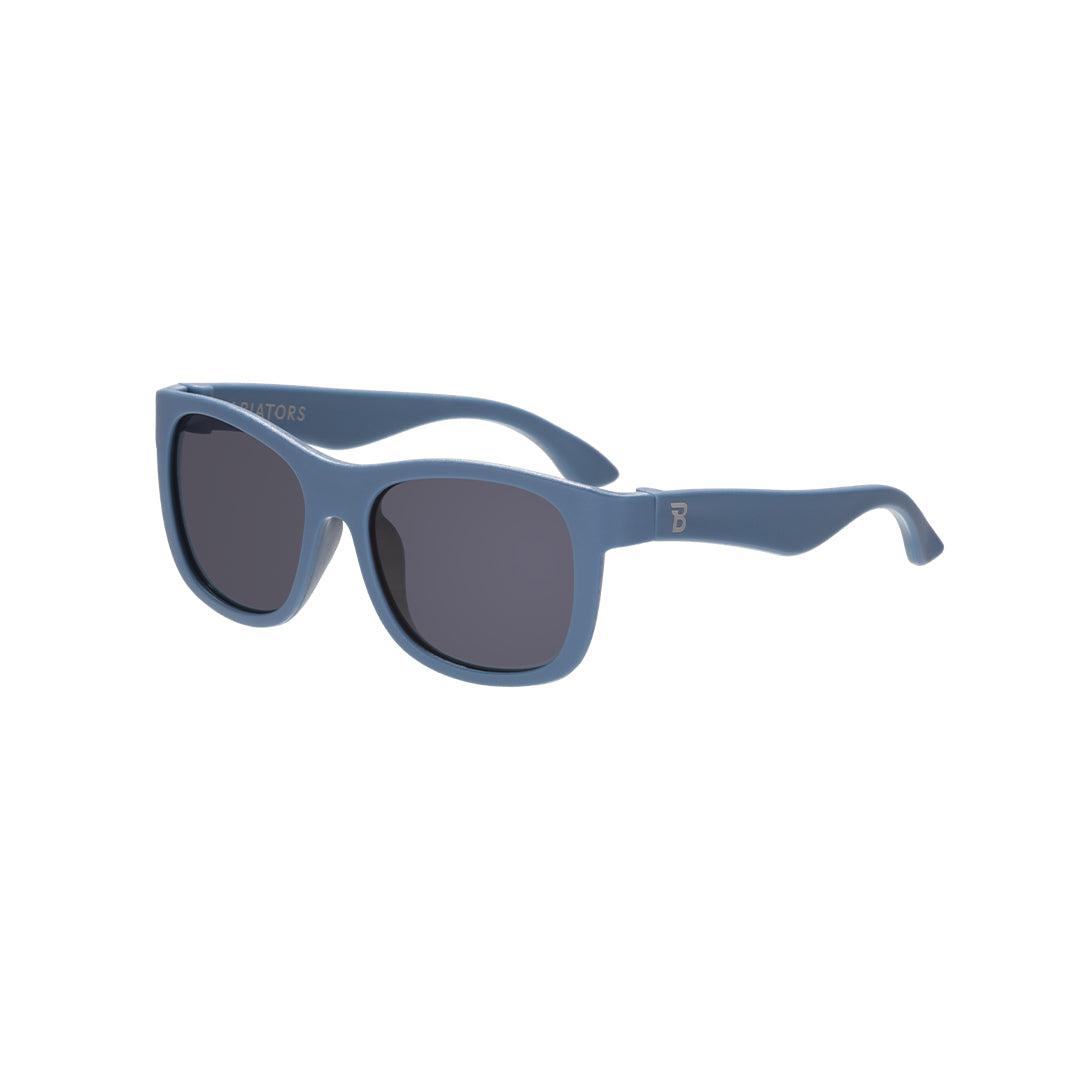
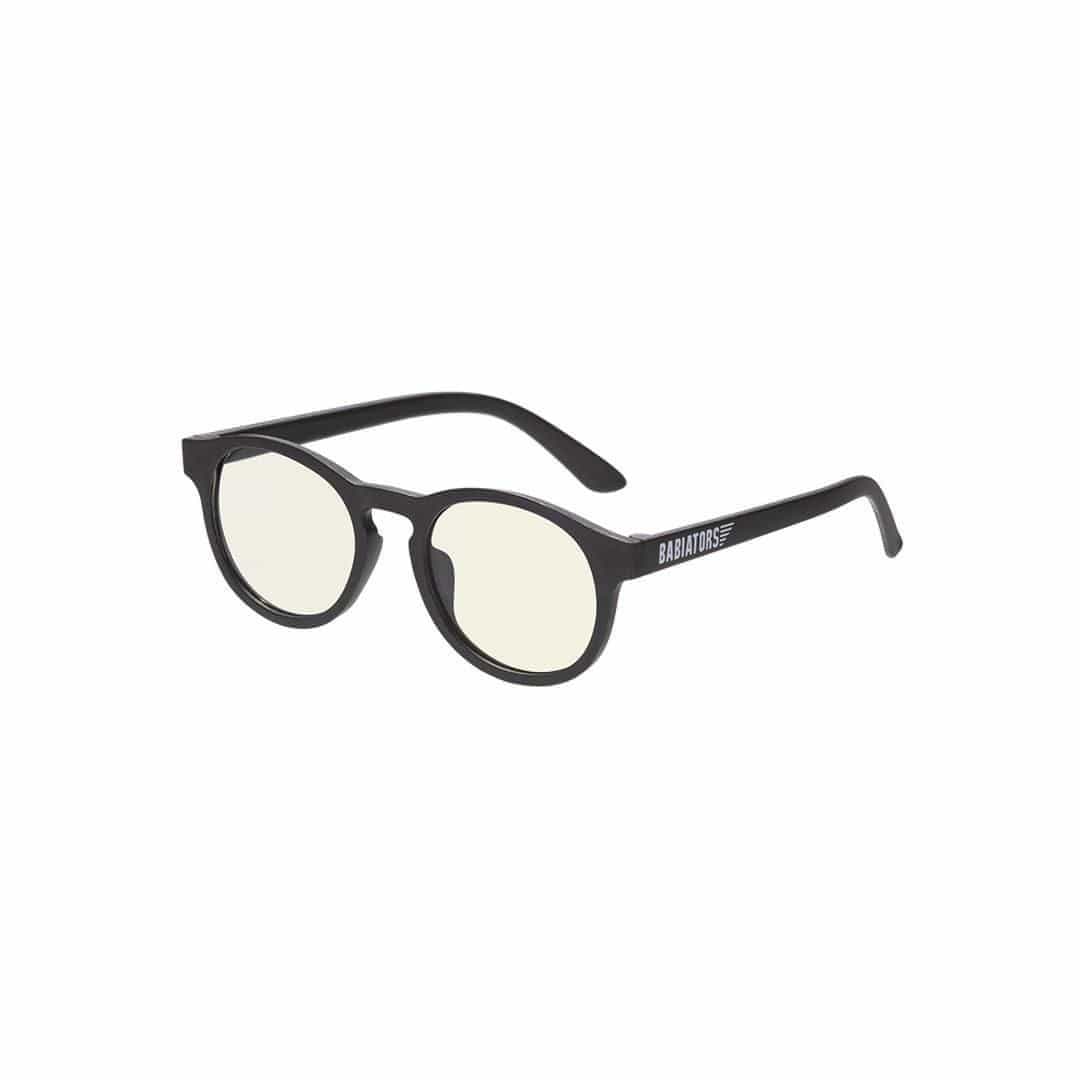
Look for lenses that provide 100% UVA and UVB protection. That is the non-negotiable bit. Dark lenses alone are not enough. In fact, a dark lens without proper UV protection can be worse than no sunglasses at all because it may encourage the pupil to open wider while still allowing harmful rays through.
Fit matters just as much. Sunglasses should sit comfortably and stay in place without pinching. If they slide down, get tugged off or leave marks, they are unlikely to last more than a few minutes on a baby’s face. Flexible, durable frames are a real advantage because babies bend, twist, drop and chew almost everything they can hold.
There is also the question of lens type. Polarised lenses can be especially helpful around water, sand or snow because they reduce glare. That can make bright environments more comfortable and easier on little eyes. It is not essential for every child in every setting, but for holidays and high-glare days, many parents find the difference noticeable.
Why comfort and durability are part of eye protection
This is the bit that often gets missed. The best pair of sunglasses in the world does nothing if your child refuses to wear them.
For babies and toddlers, comfort is a safety feature. Lightweight frames, soft materials and an age-appropriate fit make wearing sunglasses feel normal rather than like a battle. If a pair is too rigid or heavy, children will pull it off. If it breaks after one drop, parents may give up replacing it.
That is why child-proof design matters so much. Real family life is messy. Sunglasses get sat on, launched out of the buggy, stuffed into bags and handed over with sticky fingers. Durable frames are not just a nice bonus. They help sun protection stay consistent because the sunglasses remain wearable for more than a week.
At Babiators UK, that thinking sits behind the whole idea of raising your sun safety without creating more hassle for parents. Protection should be easy, sturdy and ready for real kid behaviour.
Common questions parents ask
One of the biggest is whether babies really need sunglasses in the UK. Yes, they often do. The British weather can be unpredictable, but UV exposure does not disappear just because it is not scorching hot. Bright days, high summer, coastal trips and winter sun can all justify proper eye protection.
Another common question is what age babies can start wearing sunglasses. If a baby is outside in bright conditions, age is not the deciding factor - exposure is. Even very young babies benefit from being kept in the shade, and when direct or reflected sunlight is unavoidable, properly fitted sunglasses can help.
Some parents worry their baby will never keep them on. That can happen at first. Like hats, sunglasses sometimes take a bit of practice. Short wears, calm repetition and putting them on before going into bright light can help. Children often accept them more readily when they immediately feel the comfort benefit.
Building simple sun-safe habits
The goal is not perfection. It is consistency.
If you are heading outside, think in layers. Start with shade where possible. Add a hat with a decent brim. Use sunglasses with 100% UV protection when the light is strong or reflective. For longer days out, especially around water or on holiday, make eye protection part of the same routine as sun cream and snacks.
It also helps to have the right size from the start. Frames designed by age range tend to make life easier because they reduce the guesswork. A better fit means better coverage, better comfort and fewer mid-walk negotiations with a baby who has decided enough is enough.
There will always be moments when a child whips them off. That does not mean sunglasses are a lost cause. It just means they are learning. Repetition works, and so does choosing a pair that feels fun to wear. For little ones, style is not separate from function. If they like how something looks and feels, they are far more likely to keep it on.
Parents already juggle enough. The good news is that eye protection does not need to be complicated. Once you know why babies need eye protection, the next step is simply making it part of everyday outdoor life - as normal as buckling the buggy or packing the wipes.
 Volver a Blog

