










Polarised Lenses vs Tinted Lenses
If you’ve ever shopped for children’s sunglasses and wondered whether darker lenses automatically mean better protection, you’re not alone. The question of polarised lenses vs tinted lenses comes up all the time, especially when you want the best for a baby, toddler or busy little adventurer who spends serious time outdoors.
The short answer is this: tint and polarisation do different jobs. A tinted lens reduces visible brightness. A polarised lens is designed to cut glare. Neither one replaces proper UV protection, and that’s the bit parents should check first every single time.
Polarised lenses vs tinted lenses: what’s the difference?
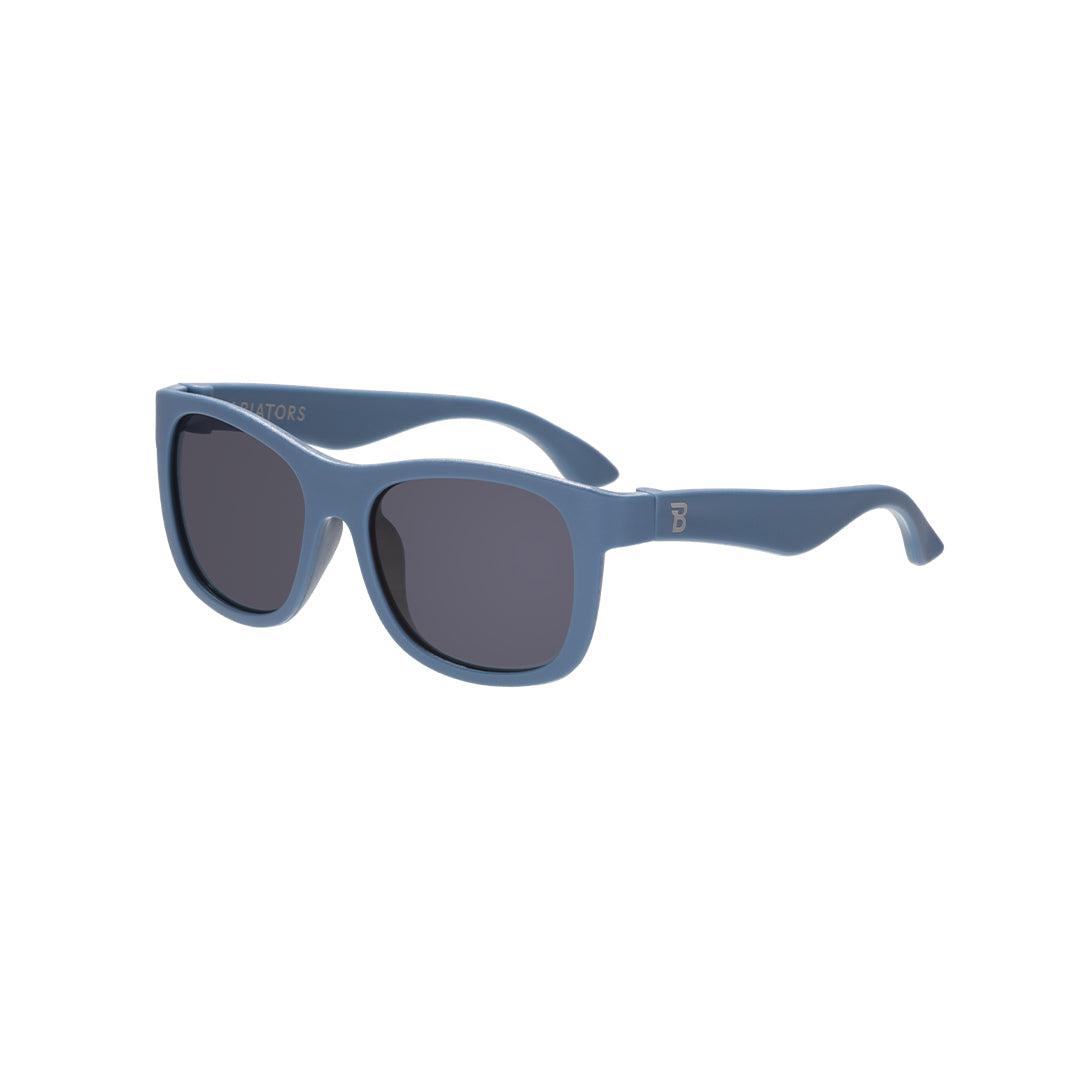
A tinted lens has colour added to the lens. That colour makes everything look darker or changes contrast slightly, depending on the tint. Grey, brown and mirrored finishes can all affect how bright a day feels, but tint alone does not tell you whether a lens blocks harmful UV rays.
A polarised lens includes a special filter that helps block intense reflected glare. Think of sunlight bouncing off water, pavements, car bonnets or snow. That glare can feel sharp, uncomfortable and tiring on little eyes. Polarisation is built to tackle that problem.
This is why the two terms are not interchangeable. A lens can be tinted without being polarised. A lens can also be polarised and tinted at the same time, which is often how high-quality sunglasses are made.
For parents, the easiest way to think about it is this: tint changes brightness, polarisation changes glare, and UV protection is the non-negotiable safety feature underneath both.
Why UV protection matters more than lens darkness
This is where shopping can get confusing. Dark lenses can look very protective, but darkness on its own is not enough. If a pair of sunglasses does not offer 100% UVA and UVB protection, the lens may simply make the world look dimmer without properly shielding a child’s eyes from harmful rays.
That matters because children’s eyes are still developing, and they often spend more time outdoors than adults do. At the park, on holiday, in the garden, at the beach or on the ski slopes, their eyes are exposed to UV in situations where adults may not even realise it. Babies and toddlers also won’t tell you when glare is bothering them. They’ll just squint, rub their eyes or get fussy.
So before comparing lens styles, always start with UV protection. Once that box is ticked, then you can decide whether standard tinted lenses are enough or whether polarised lenses are the better fit for your family’s routine.
What tinted lenses do well
Tinted lenses are useful because they make bright conditions feel more comfortable. On sunny days, they can reduce the overall intensity of light reaching the eyes, which helps with squinting and general visual comfort.
For everyday use, a good tinted lens can be absolutely fine. If your child mainly wears sunglasses for buggy walks, trips to the playground or general garden play, a non-polarised tinted lens may do the job well, provided it also offers full UV protection.
Tinted lenses can also be a practical option if you want a simple, effective pair for regular wear. For many families, especially with younger children who are just getting used to keeping sunglasses on, comfort, fit and durability matter just as much as lens technology.
That said, tinted lenses have limits. They reduce brightness, but they do not specifically tackle harsh reflected glare. If your child is near highly reflective surfaces, the light can still feel intense.
What polarised lenses do better
Polarised lenses come into their own when glare is the main issue. If you’ve ever looked at the sea on a sunny day or driven along a wet road with the sun bouncing back at you, you’ve seen the kind of glare these lenses are designed to cut.
For kids, that can make a real difference at the beach, by the pool, on a boat, on snowy holidays or even on bright summer walks where light reflects strongly off pavements and cars. Less glare can mean more comfortable vision and less eye strain.
Parents often notice this most during travel and outdoor activity. A child who is happier in bright conditions is more likely to keep their sunglasses on, and that’s half the battle. Better comfort usually leads to better wear time.
Polarised lenses can also make surroundings look clearer in certain conditions because they reduce the distracting shine bouncing off surfaces. That doesn’t mean every child needs them, but for outdoor-heavy families they are often a smart upgrade.
Polarised lenses vs tinted lenses for babies and toddlers
With very young children, the best choice depends on how and where the sunglasses will be used. A baby in a pram on occasional sunny outings may be perfectly well served by durable sunglasses with 100% UV protection and a quality tinted lens. If that same baby is heading on a beach holiday, spending time by water or joining the family on a ski trip, polarised lenses may offer extra comfort.
For toddlers, lifestyle starts to matter even more. They are lower to the ground, constantly moving, and often looking up at bright light from reflective surfaces around them. A child playing on pale paving, near water or around shiny outdoor equipment may experience a lot of glare without being able to explain it.
There’s also the practical side. Kids’ sunglasses need to survive drops, bends and all the usual chaos. Lens performance matters, but only if the pair actually stays in one piece and gets worn. That’s why parents should look at the whole package - UV protection, fit, comfort, durability and then lens type.
When tinted lenses are enough
Not every family needs polarised lenses for every child. If your day-to-day life involves school runs, local park visits, buggy naps on sunny afternoons and general outdoor play in moderate brightness, standard tinted lenses with proper UV protection can be a solid choice.
They can also be a sensible starting point if you’re buying your child’s first pair and want something straightforward. Some children need a little time to get used to wearing sunglasses regularly, so keeping the choice simple can help.
The key is not to mistake basic for poor quality. A well-made tinted lens with 100% UV protection still offers valuable protection. It just won’t cut glare in the same way a polarised lens does.
When polarised lenses are worth it
If your family spends lots of time near water, travels to sunny destinations, heads off on winter sports holidays or is outdoors for long stretches, polarised lenses are often worth the extra thought. They are especially helpful in situations where reflected light is constant rather than occasional.
This can include beach days, lakeside walks, sailing, paddling pools, buggy rides on bright summer pavements and snowy mountain breaks. In these settings, the comfort difference can be noticeable.
For older children who are more active outdoors, polarised lenses may also support better visual comfort during longer wear. Less glare can mean less squinting, which is useful when little ones are trying to stay focused on play, not rubbing their eyes every five minutes.
What parents should check before buying
The label matters more than the lens colour. Always check that the sunglasses provide 100% UVA and UVB protection. After that, think about your child’s real life rather than an ideal one. Are they wearing sunglasses mainly on family holidays, or every day on the nursery run? Are they usually in the park, or around water and snow?
Then look at fit. Sunglasses that pinch, slide or feel heavy are much less likely to stay on. For babies and younger children, age-based sizing can take some of the guesswork out of shopping online. Durability matters too, because there is no point investing in better lens technology if the frames can’t handle being twisted, dropped or sat on.
If you’re choosing between options, ask a simple question: is brightness the main problem, or is it glare? Brightness points you towards tinted lenses. Heavy glare points you towards polarised lenses.
The best choice depends on your child
There isn’t one perfect answer for every family. Polarised lenses are not automatically better in every situation, and tinted lenses are not a lesser option if they match your child’s needs. The right pair is the one your child will actually wear, with proper UV protection and a fit that works for real life.
At Babiators UK, that’s the thinking behind kids’ sunglasses that combine serious eye protection with styles little ones actually want to keep on. Because when sunglasses are comfortable, durable and made for how children really move, sun safety becomes much easier to stick with.
If you’re deciding between the two, start with UV protection, think about glare, and choose the pair that suits your family’s adventures - from buggy walks to beach days and everything in between.
 Volver a Blog

