








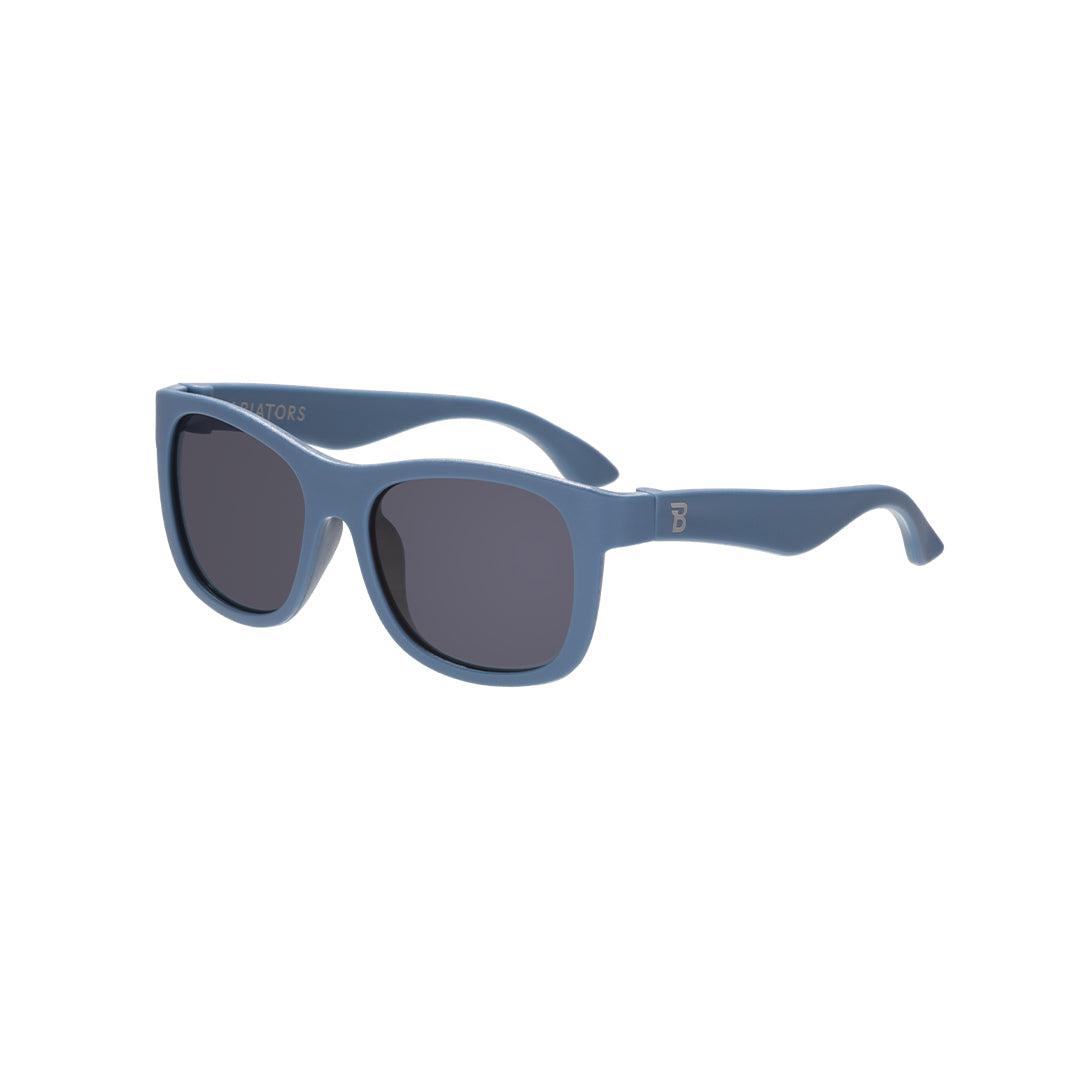
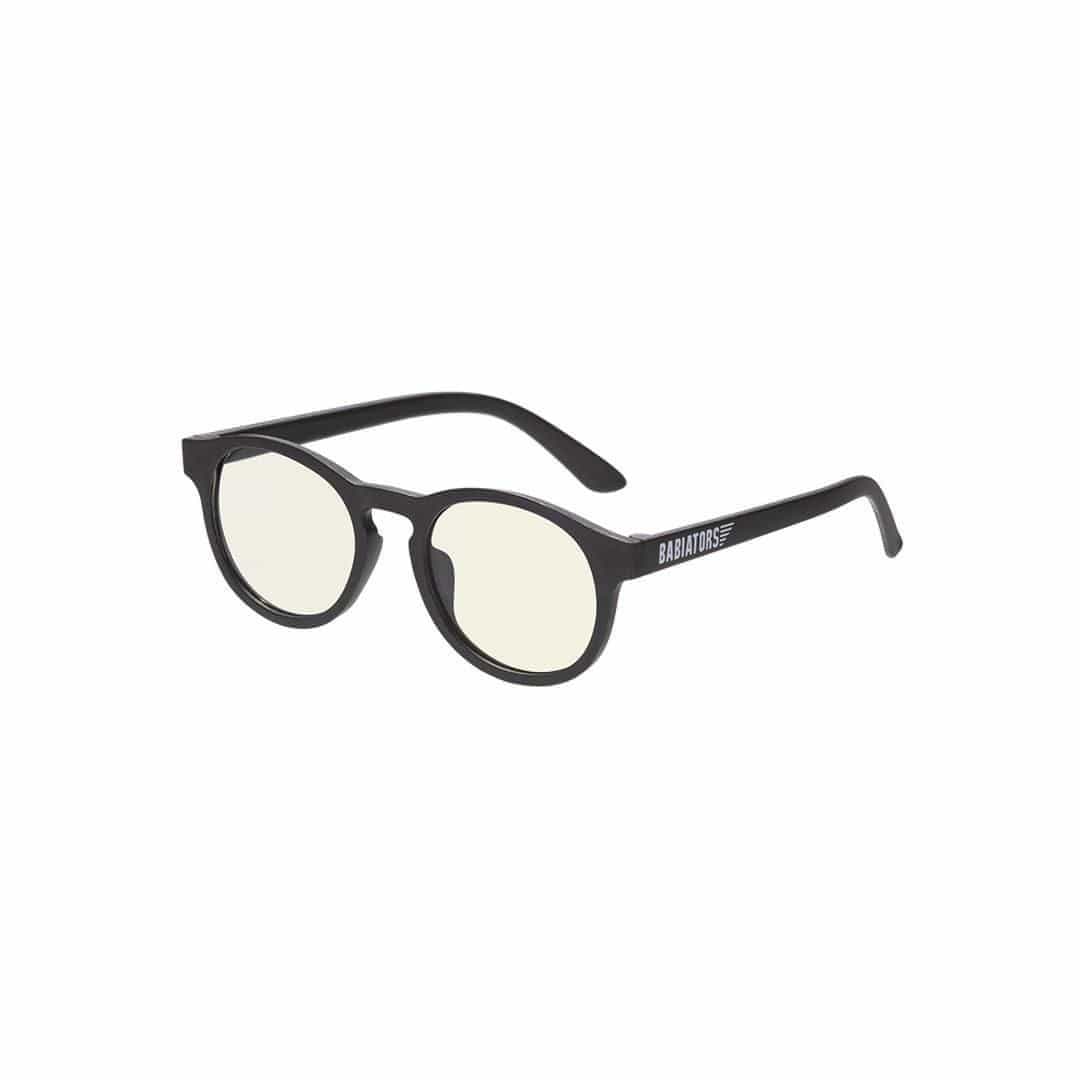


Kids Aviator Frames for Bright, Busy Days
A playground is no place for sunglasses that need constant rescuing. Kids aviator frames bring the classic, confidence-boosting silhouette parents love into a shape made for little explorers, from buggy naps to beach days, garden races and family holidays. The right pair should do more than look brilliant in photos: it should protect developing eyes, feel comfortable all day and cope with the occasional enthusiastic bend.
Why aviator frames work so well for children
Aviators have stayed popular for generations because their shape is simple, distinctive and easy to wear. The softly curved lenses give good coverage around the eye area, while the familiar top bar adds a little grown-up cool without making kids look like they are wearing a costume.
For children, though, style only counts if the fit is right. A well-designed aviator frame should sit securely without pinching the nose, pressing behind the ears or sliding down every time your child looks at the ground for a stick, shell or very important pebble. Flexible materials make a real difference here. Children do not handle sunglasses delicately, and they should not have to.
That is why a pair made specifically for kids is a better choice than a scaled-down adult frame. Little faces need lighter proportions, softer contact points and sizing that reflects how children actually grow. A frame that is too wide can slip; one that is too narrow can feel uncomfortable and leave marks. Comfort is what keeps sunglasses on, and sunglasses only protect eyes when they are being worn.
Start with protection, then choose the style
The first job of any pair of sunglasses is protecting eyes from harmful ultraviolet rays. Children spend plenty of time outdoors and their eyes are still developing, so 100% UV protection is the non-negotiable starting point. Dark lenses alone are not a measure of protection. What matters is that the lenses block UVA and UVB rays.
Think of sunglasses as part of the leaving-the-house routine, alongside sun cream, a hat and a drink bottle. They are useful on bright summer days, but they matter in other conditions too. UV exposure does not disappear when there is cloud cover, and glare can be especially strong around water, sand and snow. A winter walk, ski trip or breezy day by the sea can be just as deserving of proper eye protection as a hot July afternoon.
Once UV protection is covered, lens choice comes down to how your family spends time outside. Standard lenses are a great everyday option for parks, school runs and outdoor play. Polarised lenses can be particularly helpful for bright, reflective settings, reducing glare bouncing off water, wet pavements, snow or car bonnets. They are a smart pick for beach holidays, boating and snowy adventures, although every child and family has different needs.
Choosing the right size in kids aviator frames
Age-based sizing takes much of the guesswork out of buying sunglasses online. Children of a similar age can have different face shapes, of course, but a clear age range gives you a practical place to start.
For babies and younger toddlers, look for a small, lightweight frame that will not overwhelm the face. At this stage, short wear periods are completely normal. Let them get used to sunglasses during a walk or while sitting in the pushchair, rather than expecting an instant all-afternoon success.
For children aged three to five, the goal is an active fit. They are climbing, running and testing the limits of every object they own. Frames need to stay comfortably in place while still being flexible enough for real-life handling. For children aged six and over, choose a size with enough room across the face while checking that the arms do not extend too far beyond the ears.
A quick fit check can save plenty of frustration. The frame should rest evenly on the nose, sit close enough to give good coverage and feel secure when your child turns their head. It should not touch the cheeks when they smile, squeeze at the temples or leave them constantly pushing it back up. If they immediately take the sunglasses off, investigate the fit before assuming they simply dislike wearing them.
Let your child have a say
Parents choose the protection. Kids can choose the personality.
Giving a child a choice between two colours or finishes can turn sunglasses from another thing they have to wear into their favourite outdoor accessory. Aviators are naturally versatile: a neutral shade can go with everything, while a brighter colour adds a playful twist to an outfit. When they feel ownership over the pair, they are far more likely to keep it on.
Durability is not an extra
A child-proof frame needs to cope with drops, twists and the mysterious pressure found at the bottom of a changing bag. That does not mean encouraging children to treat sunglasses as toys, but it does mean choosing a pair that can handle normal childhood without becoming a stressful purchase.
Look for flexible, virtually indestructible frames that can bend rather than snap under everyday pressure. Lightness matters too. A heavy frame may look substantial, yet it can slip down the nose and become irritating after ten minutes. The best kids aviator frames feel easy enough that your child forgets they are wearing them.
A strong replacement promise is also worth considering. Sunglasses are part of childhood adventure, not a fragile accessory to be saved for special occasions. Babiators' Awesome Guarantee replaces broken sunglasses free for one year, giving parents the confidence to let kids wear their shades properly - at the park, on holiday and everywhere the sun shows up.
Build the habit without a battle
Some children put sunglasses on and never look back. Others need a little time. The trick is making shades feel ordinary, not negotiable only when the sun is at its brightest.
Start small. Put them on before heading outside, and wear your own sunglasses too. Children learn quickly from what they see adults doing. Praise the practical win: “Your eyes are ready for the sunshine.” Avoid making it a long discussion at the front door, especially with a toddler already determined to leave wearing one sock.
It also helps to keep sunglasses in predictable places. One pair in the changing bag or buggy organiser is useful for everyday outings, while a protective case in the holiday bag prevents last-minute hunting. After use, teach older children to place their frames somewhere safe rather than balancing them on a table edge or stuffing them into a pocket with snack crumbs.
If your child resists, check for glare, pressure or a poor fit. They may also be adjusting to seeing the world through tinted lenses. A few short outings often do more than repeated reminders. Patience pays off, especially when the frame is comfortable and the look feels like them.
When polarised lenses are worth it
Polarised lenses are not essential for every family, but they can be a great upgrade for children who spend lots of time around highly reflective surfaces. Think seaside breaks, lake days, ski slopes, fishing trips or long walks near water. By cutting reflected glare, they can make bright conditions feel more comfortable for young eyes.
For everyday nursery drop-offs, garden play and ordinary walks, standard UV-protective lenses may be all you need. The better choice depends on where the sunglasses will be used most, not on buying the most feature-packed option by default. A pair that fits well and gets worn every day is more useful than a premium pair that stays in its case.
A small piece of kit with a big job
The best sunglasses are the ones your child reaches for without being asked. Choose aviator frames with 100% UV protection, a secure age-appropriate fit and enough flexibility for the wonderfully unpredictable way children move through the world. Then let them pick a colour they cannot wait to wear, and make eye protection part of every bright-day adventure.
 Volver a Blog

