










How to Get Toddler to Wear Sunglasses
You put the sunglasses on. Your toddler pulls them straight off. Two seconds later, they are being chewed, flung from the buggy, or wedged under the sofa. If you are wondering how to get toddler to wear sunglasses without a daily battle, the answer is usually not force - it is fit, timing, comfort, and a bit of toddler psychology.
The good news is that most little ones can learn to keep sunglasses on, especially when the pair feels good and the routine makes sense to them. Toddlers are not being difficult for the sake of it. They are sensitive to pressure, texture, bright light, and anything unfamiliar on their face. Once you work with that, rather than against it, things usually get much easier.
Why toddlers resist sunglasses in the first place
A toddler does not care that sunglasses offer 100% UV protection. They care whether something feels strange, slips down their nose, pinches behind the ears, or interrupts play. That is why some children reject sunglasses instantly while others accept them with barely a fuss.
Sometimes the problem is simply the wrong size. Frames that are too big move around, and frames that are too small can feel tight very quickly. In other cases, the issue is sensory. Some toddlers dislike anything new on their head or face, especially if they are already tired, hot, or overstimulated.
There is also the control factor. Toddlers are at the stage where saying no is part of the job description. If sunglasses appear only when an adult insists on them, they can become one more thing to push back against. That does not mean you should give up. It means the approach matters.
How to get toddler to wear sunglasses without a fight
Start when your child is calm, not when you are already halfway to the park and running late. The first few tries should happen in a low-pressure moment at home, in the garden, or during a pram walk when there is less going on.
Keep the first wear short. A minute or two is enough at the beginning. Put them on, distract with something fun, then take them off before your toddler gets annoyed. That sounds small, but it teaches your child that sunglasses are normal and manageable, not a big dramatic event.
It also helps to treat sunglasses like any other getting-ready step. Hat on. Shoes on. Sunglasses on. When they become part of the routine rather than a special battle, many toddlers stop noticing them so much.
Let them feel involved
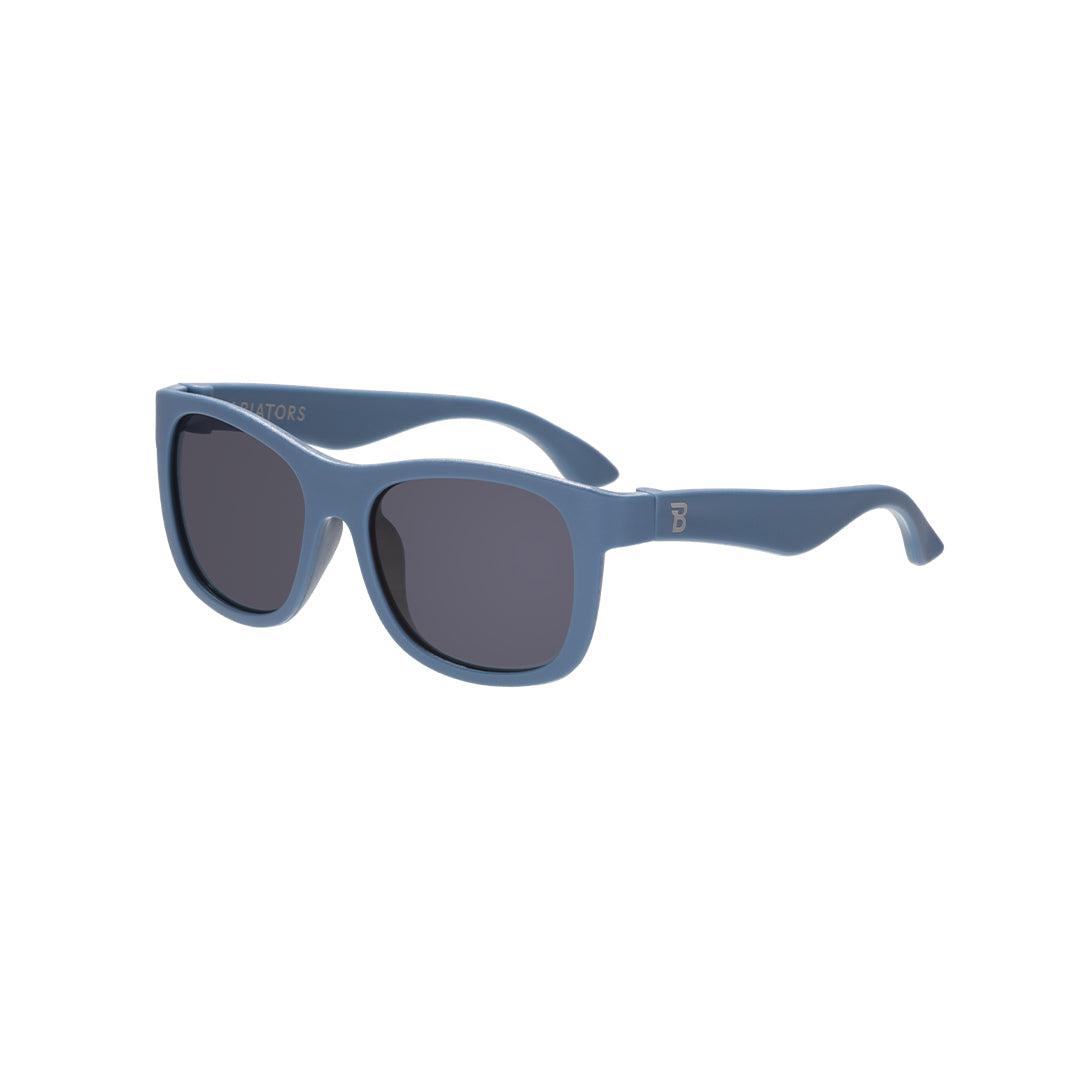
Toddlers love ownership. If they get to choose between two colours or pick a favourite shape, they are often far more willing to wear them. For one child, that might mean cool aviator-style frames. For another, it might be hearts, flowers, or a bright cheerful pair that feels fun rather than practical.
The goal is simple: make the sunglasses feel like theirs. Not just another thing a grown-up is imposing. Even a small choice can shift the mood from resistance to cooperation.
Use modelling more than persuasion
Toddlers copy what they see. If you wear your sunglasses consistently, your child is more likely to see them as normal. The same goes for older siblings or cousins. A toddler who refuses a lecture on sun safety may happily copy someone they admire.
You do not need a long explanation. A simple, upbeat line works better: “Sunglasses on for sunny adventures.” Keep it light. Keep it repeatable.
Fit and comfort matter more than parents think
If you are serious about figuring out how to get toddler to wear sunglasses, start by looking closely at the pair itself. Children will not tolerate uncomfortable frames for long, no matter how cute they look.
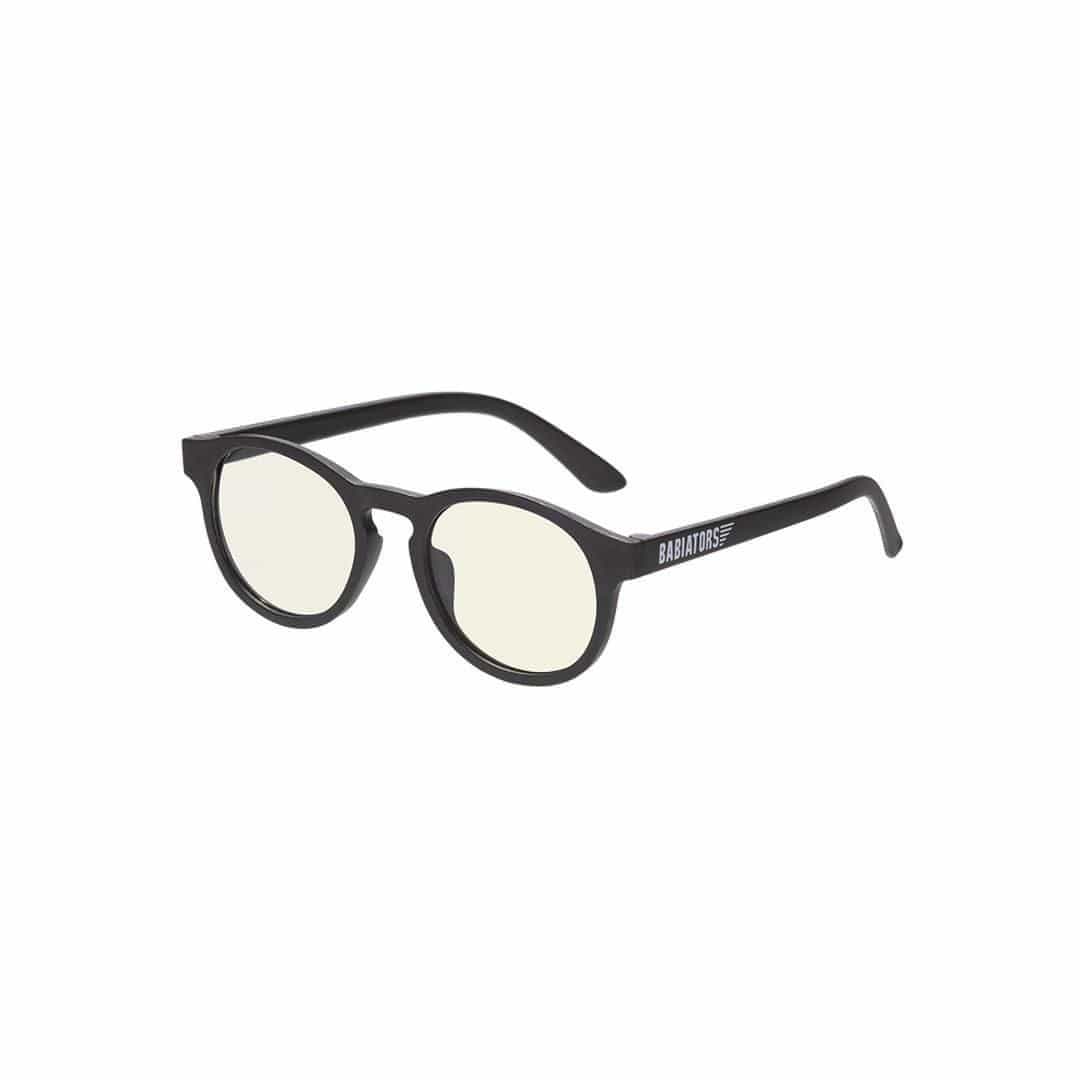
A good toddler fit should sit securely without pinching. The frames should not slide down every few steps or press too hard behind the ears. They should feel light enough that your child is not constantly aware of them. Flexible, durable materials matter too, because toddler sunglasses take a lot of bending, dropping, and general rough treatment.
Lens quality matters just as much as style. Bright sun can be uncomfortable for little eyes, so proper UV protection is not just a nice extra. It is the whole point. If your toddler seems calmer and less squinty when wearing them, that is a good sign the sunglasses are doing their job.
When a strap helps - and when it does not
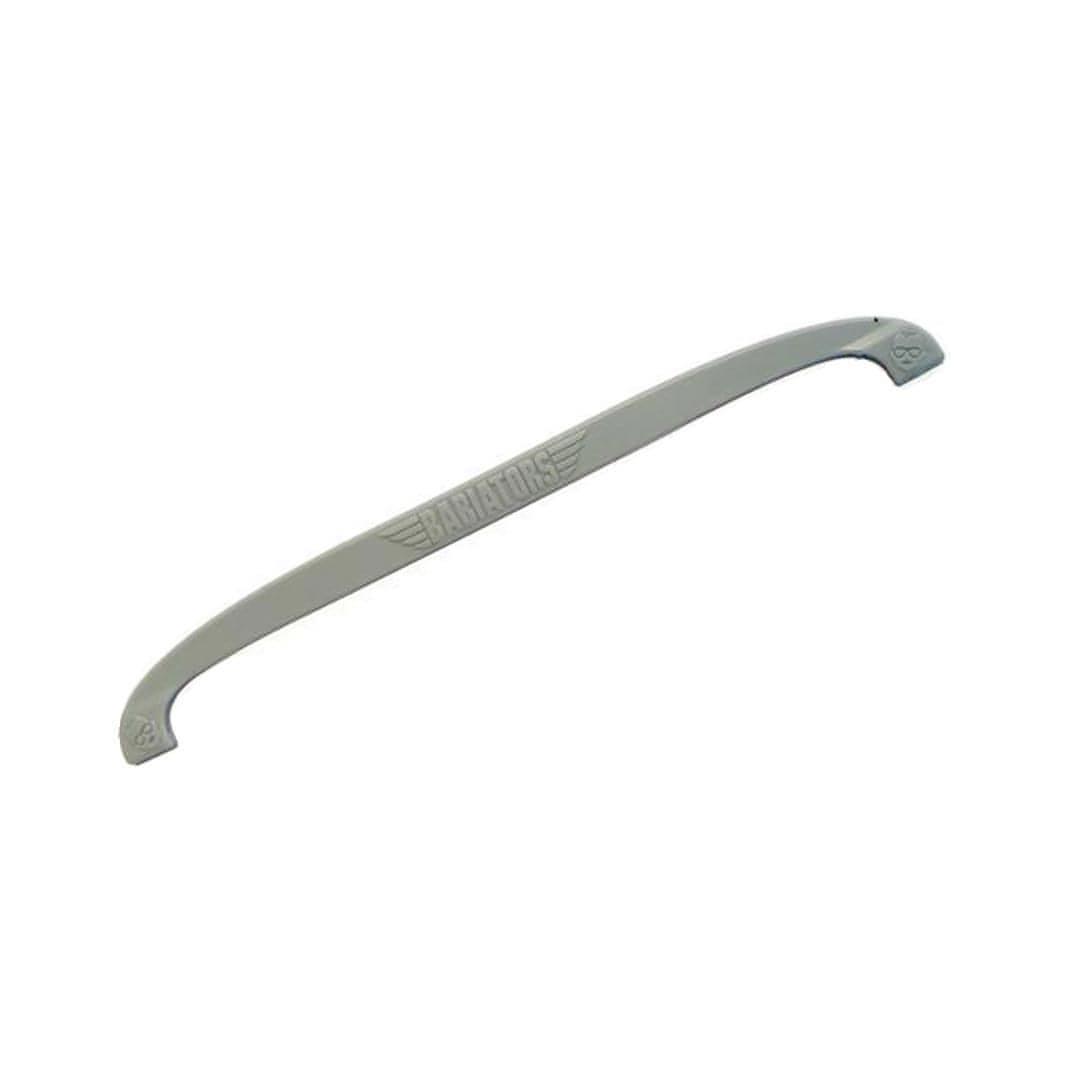
Retainer straps can be useful for some toddlers, especially during walks, beach days, or buggy naps. They can stop sunglasses disappearing onto the pavement every five minutes. But they are not right for every child.
Some toddlers find a strap reassuring. Others hate the feeling behind the head and become even more determined to remove the glasses. If your child is sensitive to that kind of contact, a well-fitted pair without extra accessories may be the better option.
Make sun safety feel fun, not forced
Toddlers respond to play far better than pressure. Instead of saying, “You have to keep these on,” try connecting sunglasses with something they already enjoy. Sunglasses go on for scooter rides, paddling pool time, picnics, and days out. They become part of the fun.
You can also build a little ritual around them. Keep the sunglasses in the same spot. Let your child hand them to you. Pop them on in front of a mirror. Give a cheerful comment like, “Ready for sunshine.” That tiny routine creates familiarity, and familiarity usually reduces resistance.
Praise helps too, but keep it natural. You do not need a full performance every time. A quick “Looking cool” or “Great job keeping them on” is enough. Toddlers tend to respond best when encouragement feels immediate and relaxed.
Pick the right moment to introduce them
Timing can make or break this. If your toddler is hungry, overtired, or mid-meltdown, sunglasses are unlikely to go well. New things feel bigger and more irritating when children are already struggling.
The easiest moments are often when your child is distracted in a good way - watching ducks, riding in the pushchair, having a snack outdoors, or heading somewhere exciting. If they associate sunglasses with pleasant moments, they are more likely to accept them next time.
Sunny weather also helps. On bright days, some toddlers quickly realise that sunglasses make things more comfortable. That natural reward is powerful. It is much easier to keep a child wearing sunglasses when they can feel the benefit for themselves.
What not to do if your toddler keeps taking them off
If your child removes the sunglasses repeatedly, try not to turn it into a tug-of-war. Repeatedly forcing them back on can make the whole thing feel negative. It is better to pause, reset, and try again later than create a strong association with frustration.
Avoid buying a pair purely because it looks stylish if the fit is wrong. Toddlers do not care about trend-led frames if they wobble, pinch, or feel heavy. Likewise, avoid expecting instant success. Some children accept sunglasses on day one. Others need a week or two of short, gentle practice.
And if a pair is already scratched, bent out of shape, or uncomfortable, do not assume your toddler is the problem. Children are very honest about bad products. If they hate wearing them, there may be a reason.
When it depends on the child
Some toddlers are easy-going and will wear almost anything once. Others are strong-minded, sensory-sensitive, or deeply suspicious of new accessories. That is normal. The same advice will not work identically for every family.
For confident, independent toddlers, choice is often the magic ingredient. For more cautious children, gradual exposure works better. For active toddlers who are constantly on the move, a secure fit matters more than anything else. If your child has sensory preferences, softer, lighter, flexible frames may make the biggest difference.
This is where parents know best. If your toddler hates hats, hair clips, and anything touching their face, expect sunglasses to take a little more patience. If they already enjoy dress-up or copying adults, you may have an easier path.
A smarter way to choose toddler sunglasses
When shopping, think beyond appearance. Start with age-appropriate sizing, because that is usually the foundation of comfort. Then look for frames built to handle real kid behaviour - twisting, dropping, sitting on them, and all the usual chaos. It is also worth choosing a pair with proper UV protection and lenses suited to the brightness your child will actually face, whether that is everyday park trips, beach days, or family holidays.
A strong replacement promise can matter too. Parents do not need more fragile gear. Sunglasses for toddlers should make life easier, not add another thing to worry about. That is one reason many families look for child-proof designs backed by an honest guarantee, like the kind Babiators UK is known for.
Teaching a toddler to wear sunglasses is rarely about one clever trick. It is usually a mix of the right fit, a calm introduction, and enough repetition that it starts to feel normal. Once that happens, many children go from pulling them off instantly to reaching for them when the sun comes out - and that is a habit worth building.
 Volver a Blog

