










Best Sunglasses for Outdoor Play for Kids
A day at the park can mean climbing frames, sandy slides, scooter races and a pair of sunglasses that gets dropped before lunch. The best sunglasses for outdoor play need to do more than look cute in the pushchair photo. They need to protect young eyes from harmful UV rays, stay comfortable during big movement and stand up to the wonderfully unpredictable way children play.
For babies, toddlers and bigger kids, sun protection is not just a beach-holiday job. Bright days at the playground, a walk to nursery, a picnic in the garden and family ski trips can all bring significant UV exposure. A great pair makes sun safety easy: pop them on, let kids get on with the fun and worry less about the lens-or-frame drama.
What makes sunglasses right for outdoor play?
Adult sunglasses are often designed to be handled carefully, cleaned regularly and placed safely in a case. That is not a realistic brief for a two-year-old making a den out of sofa cushions. Kids’ sunglasses should be made for real life, with a lightweight feel and frames that can cope with bending, dropping and being discovered at the bottom of a changing bag.
The non-negotiable feature is 100% UV protection. Dark lenses alone are not proof of protection. In fact, a dark lens without proper UV filtering can be a poor choice because it may make the pupil open wider while harmful rays are still getting through. Look for sunglasses that clearly state 100% UVA and UVB protection, so your child has dependable coverage whenever they are outside.
Fit matters just as much. Sunglasses that pinch behind the ears or slide down a little nose are likely to spend the day in a parent’s pocket. The right pair should sit securely and comfortably, without squeezing the temples or leaving obvious pressure marks. When children can see clearly and forget they are wearing them, you have found a winner.
Best sunglasses for outdoor play: start with fit
Age-based sizing takes the guesswork out of choosing sunglasses online. A baby’s face is very different from a six-year-old’s, and a frame that looks adorable can still be too wide, too narrow or too heavy. Choose a size designed for your child’s age range, then use the product measurements where available if your child is particularly petite or wears a larger hat size.
Babies aged 0-2
For little ones, soft, flexible frames are especially useful. Babies are still getting used to things touching their face, so comfort comes first. A lightweight frame with a simple, secure shape is ideal for buggy walks, garden play and holidays. At this age, patience helps too. Try sunglasses for a few minutes at a time during a happy activity rather than expecting instant all-afternoon wear.
Toddlers aged 3-5
Toddlers are the true test of durability. They are running, falling, experimenting and quite possibly using their sunglasses as a steering wheel. Look for virtually indestructible frames that flex rather than snap under normal kid-level handling. A snug fit will help during trips to the playground, balance bike rides and beach days, while a style they have chosen themselves can turn a daily battle into a proud routine.
Kids aged 6+
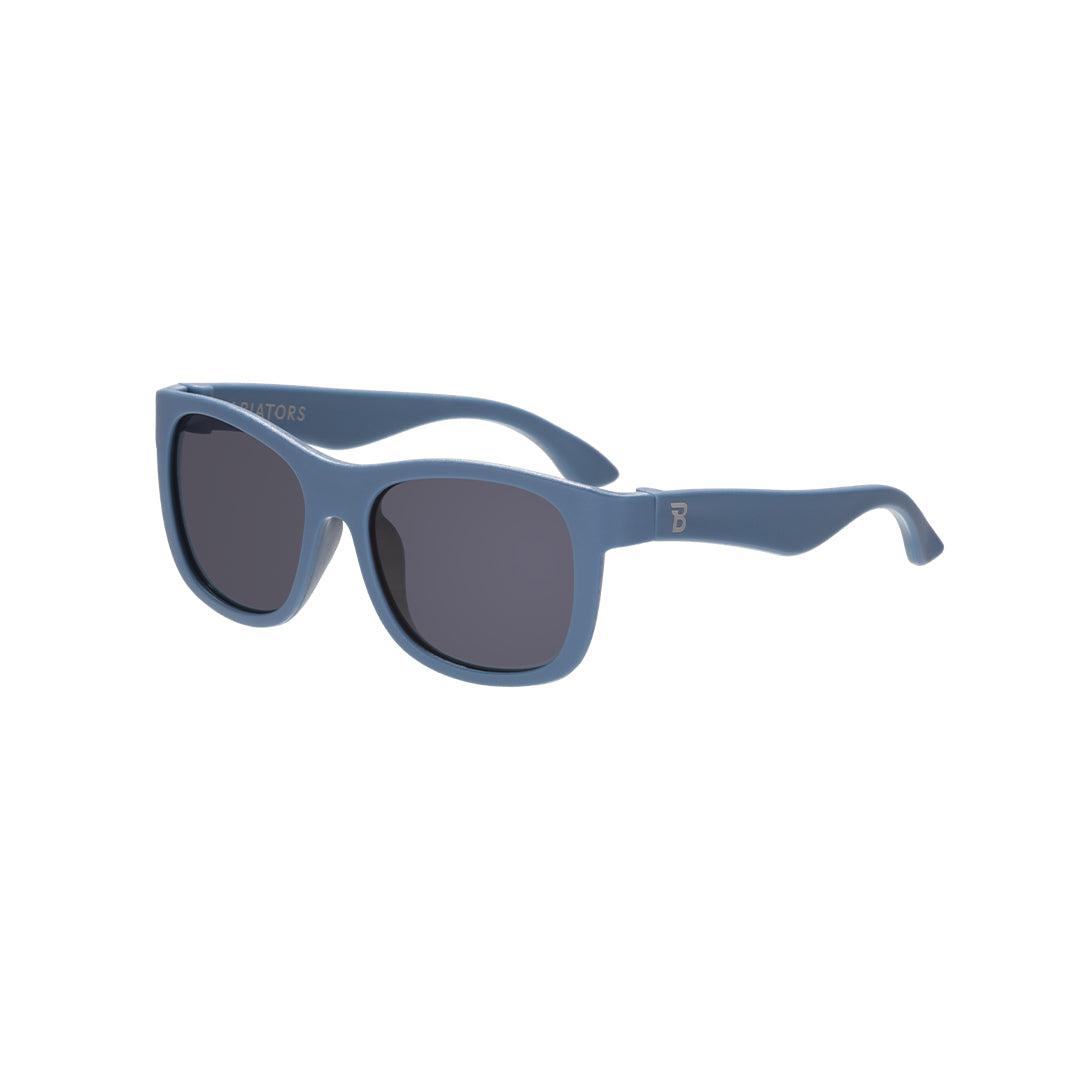
Older children often care more about the look of their sunglasses, which is great news for keeping them on. Let them choose a frame shape that feels like them, whether that is classic Aviators, bold Navigators, playful Hearts or fresh Flowers. Parents should still lead on the essentials: the right size, 100% UV protection and durable construction for active days.
Choose the lens for the adventure
The right lens depends on where and how your child plays. A quality standard lens with full UV protection is a brilliant everyday choice for school runs, parks and garden adventures. The key is consistent protection, not choosing the darkest lens you can find.
Polarised lenses can be a smart upgrade for particularly bright environments. They are designed to reduce glare bouncing off shiny surfaces such as water, snow, wet pavements and car bonnets. That can make a big difference on a seaside holiday, by the pool, on a boat or during a ski trip, when reflected light can feel intense even on a cold day.
There is a trade-off worth considering. Polarised lenses are excellent for glare, but some children may find it harder to see certain digital screens or displays at particular angles. For a child whose outdoor play involves cycling routes, a ski lift or a screen-based game, it is worth checking how they get on. For most sunny outdoor adventures, the comfort from reduced glare is a real plus.
Frames built for kid behaviour
A pair of sunglasses can have great lenses and still be a frustrating choice if the frame cannot survive everyday play. Flexible, child-proof frames are made to handle the moments parents know well: being bent in small hands, sat on at a picnic or launched from the buggy during a snack negotiation.
Prioritise lightweight materials, smooth edges and sturdy hinges or hinge-free designs suited to young children. The aim is not to encourage rough treatment, but to remove the panic when it happens. Babiators are designed to be virtually indestructible, with an Awesome Guarantee that replaces broken sunglasses free for one year. That is useful reassurance when your child treats every accessory as an experiment.
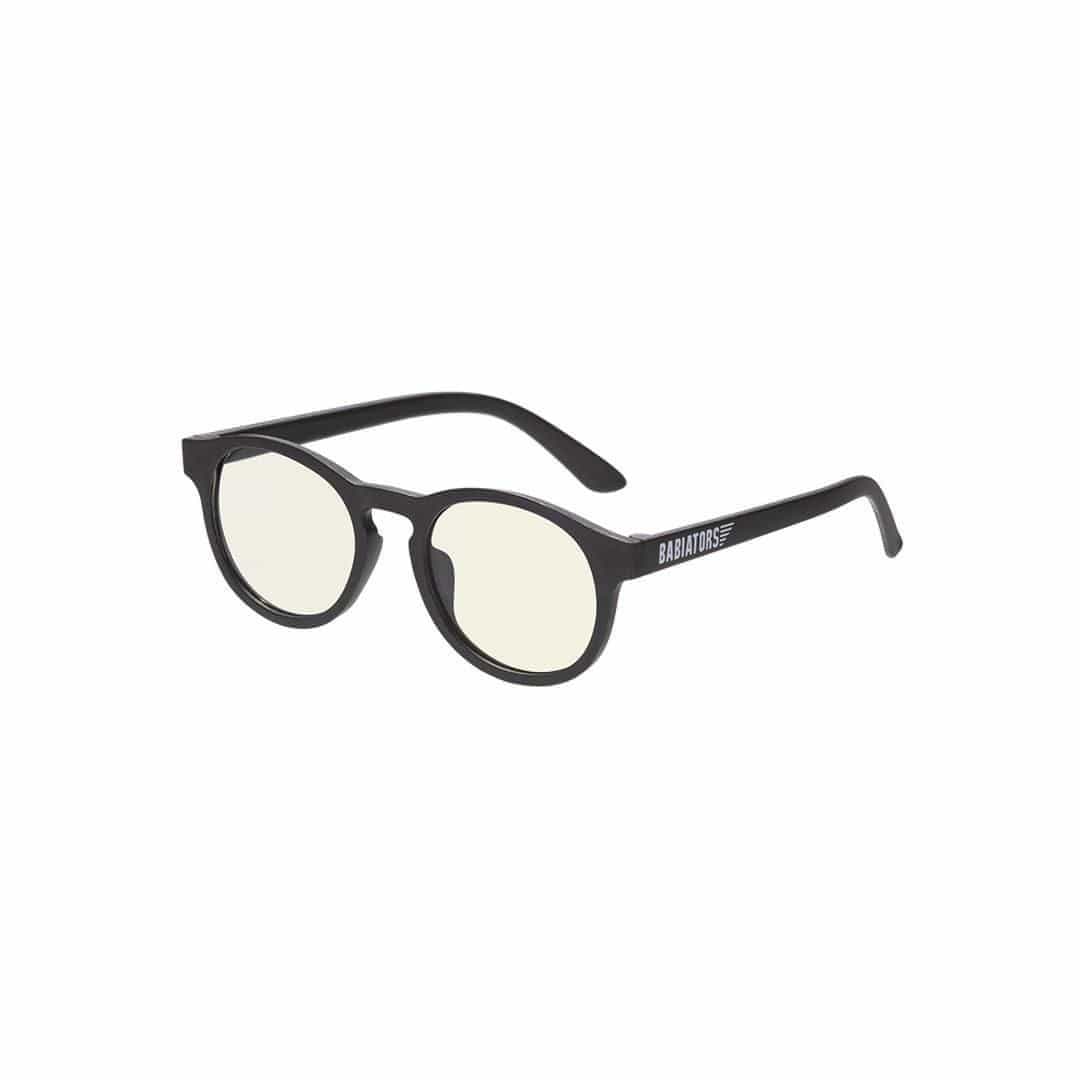
Style has a practical role too. Children are more likely to wear sunglasses they genuinely love. A confident little one may choose statement Hearts, while another reaches for timeless Keyholes or sporty Navigators. Giving them a small choice between parent-approved options helps build a sun-safe habit without turning every bright day into a negotiation.
A quick outdoor-play checklist
Before choosing, check these four details:
- 100% UVA and UVB protection, clearly stated by the brand.
- An age-appropriate size that sits close and comfortably on the face.
- Flexible, durable frames built for drops, bends and energetic play.
- Polarised lenses if your family spends lots of time around water, snow or other glare-heavy surfaces.
Helping children keep sunglasses on
The best routine is simple: sunglasses go on when shoes go on. Make them part of getting ready for the park, nursery run or family walk, alongside sun cream and a hat. Children learn through repetition, and seeing parents wear sunglasses can make the habit feel normal rather than like another rule.
For younger children, keep expectations realistic. They may take them off repeatedly at first, especially if the frame is new. Calmly put them back on, praise them when they keep them on and save longer wear for moments when the sun is strongest. A familiar pair that fits properly will soon feel less like a novelty and more like their own outdoor kit.
Remember that sunglasses complement, rather than replace, other sun-smart choices. A wide-brimmed hat, shade during the brightest part of the day and regular sun cream all belong in the picture. On cloudy British days, UV can still be present, so sunglasses are worth packing even when the weather cannot make up its mind.
Choose a pair your child can run, climb and explore in, then keep them by the door with the rest of their adventure essentials. Every comfortable wear is a small, brilliant step towards a lifelong sun-safety habit.
 Volver a Blog

