








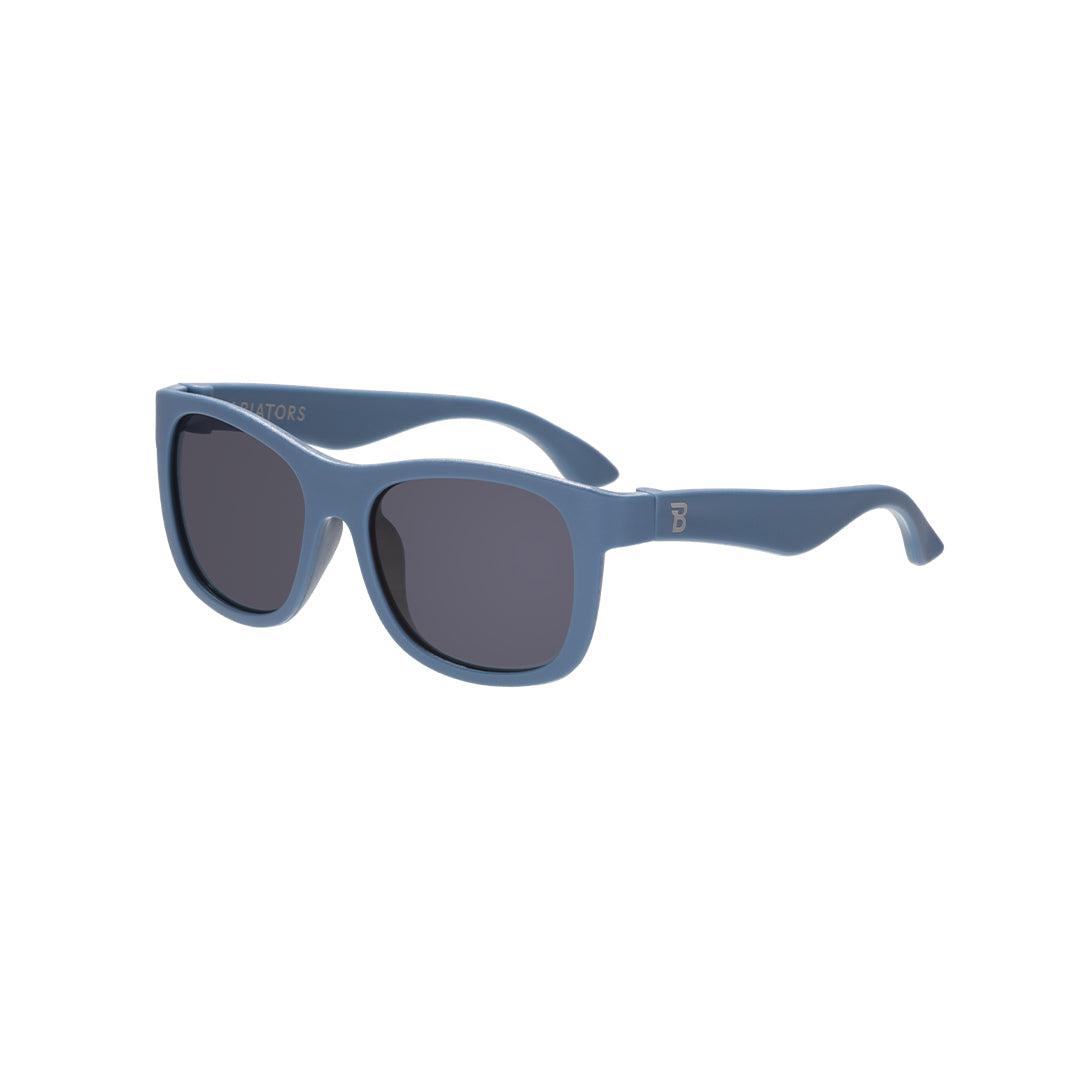
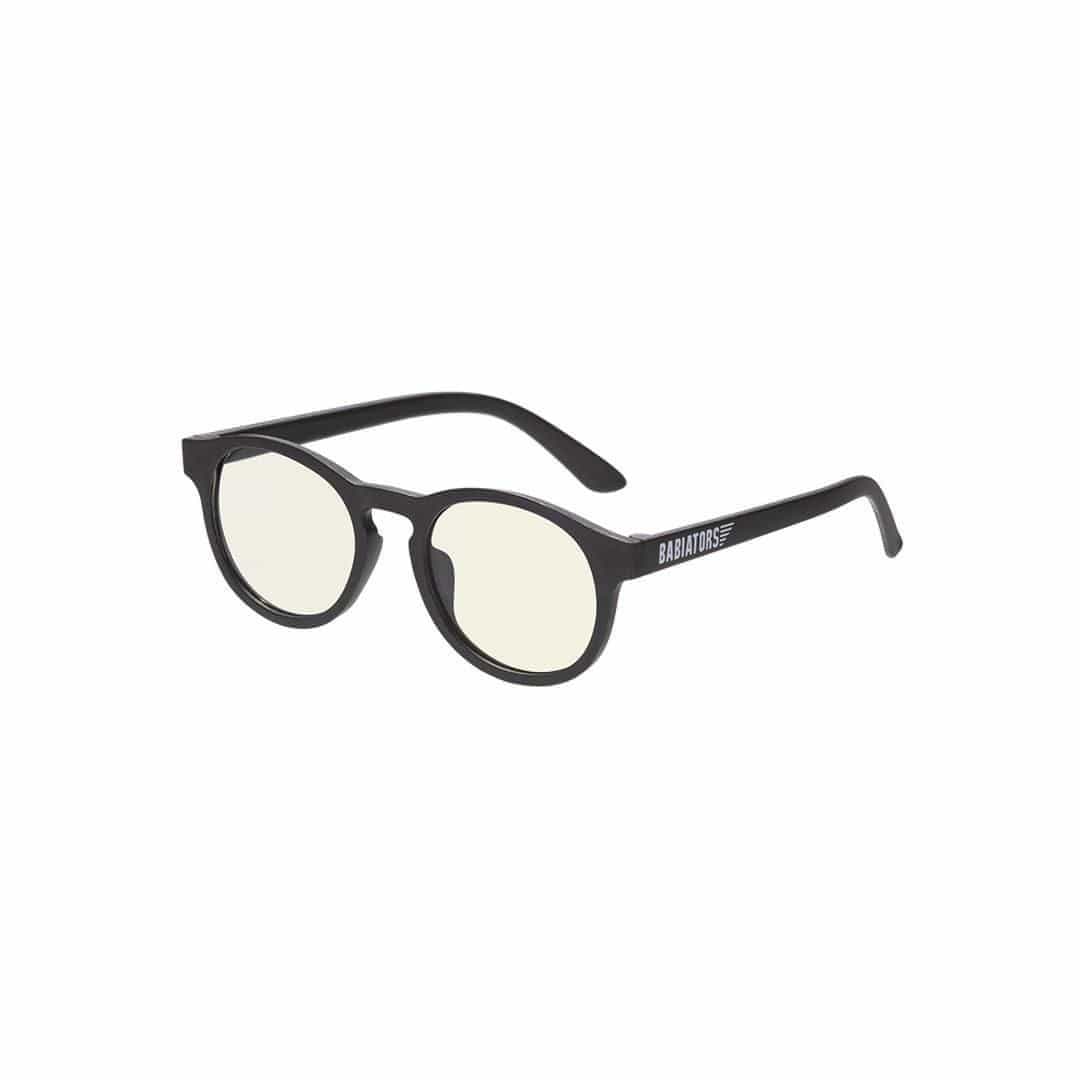


Best Kids Sunglasses for Nursery and Outdoor Play
A sunny nursery walk can mean puddle jumps, garden time, scooter rides and a pair of sunglasses being dropped before lunchtime. The best kids sunglasses for nursery need to do far more than look cute in the buggy photo. They should protect growing eyes from harmful UV rays, feel good enough to keep on and cope brilliantly with the wonderfully unpredictable way little ones play.
For babies and young children, shade, hats and sensible timing still matter. But a properly fitted pair of sunglasses is a simple extra layer of protection for bright days outdoors. Here is what makes a pair worth packing in the nursery bag.
Why nursery children need proper UV protection
Children spend a lot of time close to the action. They are looking up at the sky, leaning over water trays, running across bright playgrounds and investigating every shiny surface they can find. UV exposure does not take a day off just because the weather feels mild. Bright light can reach little eyes on cloudy days too, and reflection from water, sand, snow and pale paving can make it feel even stronger.
The key feature is 100% UVA and UVB protection. Look for sunglasses that clearly state this, rather than relying on dark lenses alone. Lens tint reduces visible brightness, but it does not automatically tell you how much UV is being filtered. Dark lenses without dependable UV protection are not a smart shortcut.
For nursery-aged children, the aim is not to have sunglasses on every second they are outside. It is to make protection easy when the light is bright, the family is out for a long stretch, or your child is happiest exploring in full sunshine. A wide-brimmed hat and shade are brilliant partners, not replacements for a good pair of shades.
What to look for in the best kids sunglasses for nursery
The right choice comes down to four things: protection, fit, durability and the likelihood your child will actually wear them. A fashionable frame that slides down a tiny nose will probably end up at the bottom of the changing bag. The best pair makes life easier for both of you.
100% UV protection, clearly stated
Start here. Choose lenses with 100% UVA and UVB protection so your child has dependable coverage during outdoor play, holidays and everyday walks. This is the non-negotiable part of the purchase.
Polarised lenses can be a great option for children who are often around glare, such as on beach holidays, by water or on snow. They help cut reflected glare, which can make a bright scene more comfortable to look at. For a typical nursery run and garden play, standard protective lenses can be a brilliant choice too. It depends on where and how your family spends time outside.
A fit made for little faces
Children's sunglasses are not simply adult frames made smaller. Little faces need lightweight frames, a comfortable bridge and arms that stay in place without pinching. If the sunglasses leave deep marks, sit crookedly or repeatedly slip over the nose, they are not the right fit.
Always use the brand's age guide as a starting point, then consider your child's build. A petite three-year-old may need a smaller fit than expected, while a child with a wider face may be more comfortable sizing up. Age-based sizing is helpful because it takes some of the guesswork out of buying online, but comfort is the final test.
For nursery starters and toddlers, a secure, gentle fit matters more than a frame that they may grow into later. Sunglasses that fit well now have a much better chance of becoming part of the routine.
Frames built for real kid behaviour
At nursery, sunglasses may be sat on, twisted during a snack stop or used as an unexpected toy for five minutes. Flimsy frames can turn a small accident into another item to replace.
Choose flexible, child-proof frames designed to bend and bounce back from everyday handling. Hinges and arms deserve attention too, as these are often the first areas to be tested by curious hands. A lightweight frame is also kinder on small ears and noses, especially during longer days out.
No pair of sunglasses is invincible, and children should still be taught to handle them carefully. But parents deserve eyewear that is ready for the reality of play, rather than something too precious for the playground. Babiators pairs this kind of virtually indestructible design with its Awesome Guarantee, which replaces broken sunglasses free for one year.
Lenses that are practical for play
Scratch-resistant lenses are worth seeking out, but they still need a little care. A scratched lens can affect how clearly your child sees, while sand and grit can cause damage if rubbed across the surface. Keep a soft pouch or case nearby and rinse off grit before wiping when possible.
Consider lens colour with your child's usual activities. Grey lenses offer natural-looking colour and work well in bright conditions. Brown or amber-toned lenses can increase contrast, which some families like for changing light. The best choice is usually the one that offers clear vision and consistent UV protection, not the darkest shade on the shelf.
Choose a style your child wants to wear
A child who feels proud of their sunglasses is far less likely to pull them off before you reach the park. That is where colour and frame shape genuinely matter. Classic round frames suit plenty of little faces, while navigators and aviator-inspired styles offer a bolder look. Hearts and flowers can turn a practical sun-safety habit into a favourite getting-ready ritual.
Letting a toddler choose between two parent-approved options can help. You keep control of fit and protection; they get the important job of choosing the colour. It is a small win that can make the morning smoother.
Try not to buy a larger pair purely for the extra growing room. Oversized frames can let more light in from the sides, slip during running and feel frustrating to wear. A well-fitting pair today is more useful than a pair intended for next summer.
Make sunglasses part of the nursery routine
Consistency is what turns sunglasses from an exciting new accessory into something your child accepts. Put them on at the same point as their sun hat and shoes before leaving the house. Wear your own sunglasses when appropriate too. Children copy what they see, especially when getting out the door is a team activity.
Keep the pair somewhere predictable, such as in the nappy bag, buggy organiser or by the front door. If your child goes to nursery, label the case or pouch if the setting allows personal belongings. It is also helpful to send sunglasses only when staff are happy to manage them and your child can wear them safely without constant adjustment.
For children who refuse them at first, keep it low-pressure. Start with a few minutes in the garden, offer praise when they keep them on and avoid turning it into a battle. Some toddlers need several tries before the feeling becomes familiar. If a pair is consistently rejected, reassess the fit before assuming your child simply does not like sunglasses.
A quick pre-play check
Before heading out, check that the lenses are clean, the arms are secure and the frame sits comfortably without squeezing. Look for clear 100% UV protection information, then match the fit to your child's current age and face shape. Add a hat, seek shade during the strongest sun and bring water for longer stretches outside.
The best nursery sunglasses are the ones that protect little eyes without slowing down big adventures. Pick a pair that can take a tumble, feels brilliant on their face and makes your child smile when they catch their reflection. That is a sun-safety habit worth growing with them.
 Volver a Blog

