










Gafas de sol Babiators vs. Polarn O Pyret
El par que sobrevive al cochecito, a la bolsa de playa y al asiento trasero suele ser el ganador. Cuando los padres buscan gafas de sol Babiators frente a Polarn O Pyret, rara vez buscan solo un veredicto de moda. Quieren saber qué par protege realmente los ojos de los más pequeños, se ajusta correctamente y no se rinde después de un giro entusiasta.
Para bebés, niños pequeños y niños en edad preescolar, las gafas de sol no son un accesorio opcional. Son parte de la protección solar diaria. Los niños pasan más tiempo al aire libre, sus ojos aún se están desarrollando y no son precisamente conocidos por tratar las gafas con delicadeza. Eso significa que la elección correcta se reduce a un puñado de preguntas prácticas: ¿son las lentes protectoras?, ¿están las monturas diseñadas para el uso real de los niños?, ¿es clara la talla y se siente la compra como de bajo riesgo si algo sale mal?
Gafas de sol Babiators frente a Polarn O Pyret: ¿qué es lo más importante?
El mayor error que cometen los padres es comprar gafas de sol para niños de la misma manera que compran las suyas. Las gafas de sol para adultos pueden pasar por alto gracias al estilo y a la familiaridad con la marca. Las gafas de sol para niños deben ganarse su lugar primero con la protección, luego con la comodidad y después con la durabilidad.
Ese orden importa. Una montura bonita que se resbala cada cinco minutos terminará en el fondo de la bolsa de pañales. Un par que se sienta rígido o que apriete será arrancado antes de llegar a la puerta del parque. Y si las lentes no prometen claramente una protección UV total, el resto apenas importa.
La opción más sólida para la mayoría de las familias es la que combina una protección UV del 100% con una construcción flexible y adecuada para los niños, junto con un sistema de tallas que elimina las conjeturas de las compras en línea. Especialmente para los padres de niños más pequeños, la comodidad no es un añadido, es la razón por la que un par se usa constantemente.
La protección es lo primero que no es negociable
Al comparar cualquier gafa de sol para niños, busque una garantía clara de protección 100% UVA y UVB. Una redacción vaga sobre lentes tintadas o protección solar general no es suficiente. Las lentes oscuras sin el filtrado UV adecuado pueden ser incluso peores que no usar gafas de sol, ya que pueden incitar a la pupila a dilatarse más.
Aquí es donde las gafas de sol diseñadas específicamente para niños suelen diferenciarse de los accesorios de ropa infantil más generales. Los productos diseñados para la salud ocular suelen indicar su nivel de protección con claridad y basan toda su oferta en ese beneficio. Esa claridad ayuda a los padres a tomar una decisión rápida y segura en lugar de tener que descifrar el lenguaje del producto.
Las lentes polarizadas también pueden ser importantes, pero solo en ciertas situaciones. Si su hijo pasa mucho tiempo cerca del agua, en aceras brillantes, esquiando o viajando a algún lugar especialmente soleado, las lentes polarizadas pueden reducir el deslumbramiento y hacer que todo sea más cómodo. Para los paseos diarios a la guardería, las salidas al parque y los juegos en el jardín, las lentes estándar con protección UV total pueden ser todo lo que necesita.
La durabilidad cambia el costo real
La mayoría de los padres han tenido la misma experiencia al menos una vez: compras un par de gafas de sol encantadoras para niños, duran una semana y luego una patilla se rompe o los cristales se rayan hasta quedar inservibles. De repente, el par más barato no era tan barato después de todo.
Por eso la construcción de la montura merece una atención especial en cualquier comparación entre las gafas de sol Babiators y Polarn O Pyret. Las gafas de sol para niños deben poder doblarse, flexionarse y sobrevivir a caídas, sentadas encima y lanzamientos por toda la habitación. Si una montura parece en miniatura y estilizada pero no es particularmente resistente, puede adaptarse mejor a niños mayores tranquilos que a niños pequeños que tratan todo como un juguete.
Una gran ventaja de las gafas de sol para niños especialmente diseñadas es que la durabilidad a menudo es parte de la promesa, no solo una sorpresa agradable. Las monturas hechas para ser prácticamente indestructibles hablan directamente de cómo es la vida familiar en realidad. Eso importa porque los padres no compran pensando en el mejor de los casos, sino pensando en las vacaciones, las siestas en el cochecito, la arena, los bocadillos y el caos general.
Una garantía de reemplazo también cambia los cálculos. Si una marca reemplaza las gafas de sol rotas gratis durante un año, elimina gran parte de la duda al comprar un par mejor desde el principio. Ese tipo de respaldo es especialmente tranquilizador para los padres primerizos que saben que su hijo necesita protección ocular, pero no quieren arriesgarse con algo delicado.
El ajuste es donde las buenas intenciones tienen éxito o fracasan
Incluso unas gafas de sol excelentes no sirven de nada si no se mantienen en su sitio. Las formas de la cara de los niños varían, pero una cosa es cierta: el talle basado en la edad simplifica la compra. Cuando puede elegir entre 0-2, 3-5 y 6+ años, es mucho menos probable que termine con monturas que le queden grandes a un bebé o que aprieten a un niño en edad preescolar.
Esto parece básico, pero resuelve un problema real. Los padres que compran en línea no pueden probar cinco pares diferentes. Necesitan un sistema que sea obvio. Las bandas de talla claras, los estilos de montura específicos para niños y las descripciones de productos basadas en la edad y la facilidad de uso reducen las devoluciones y ayudan a las familias a acertar a la primera.
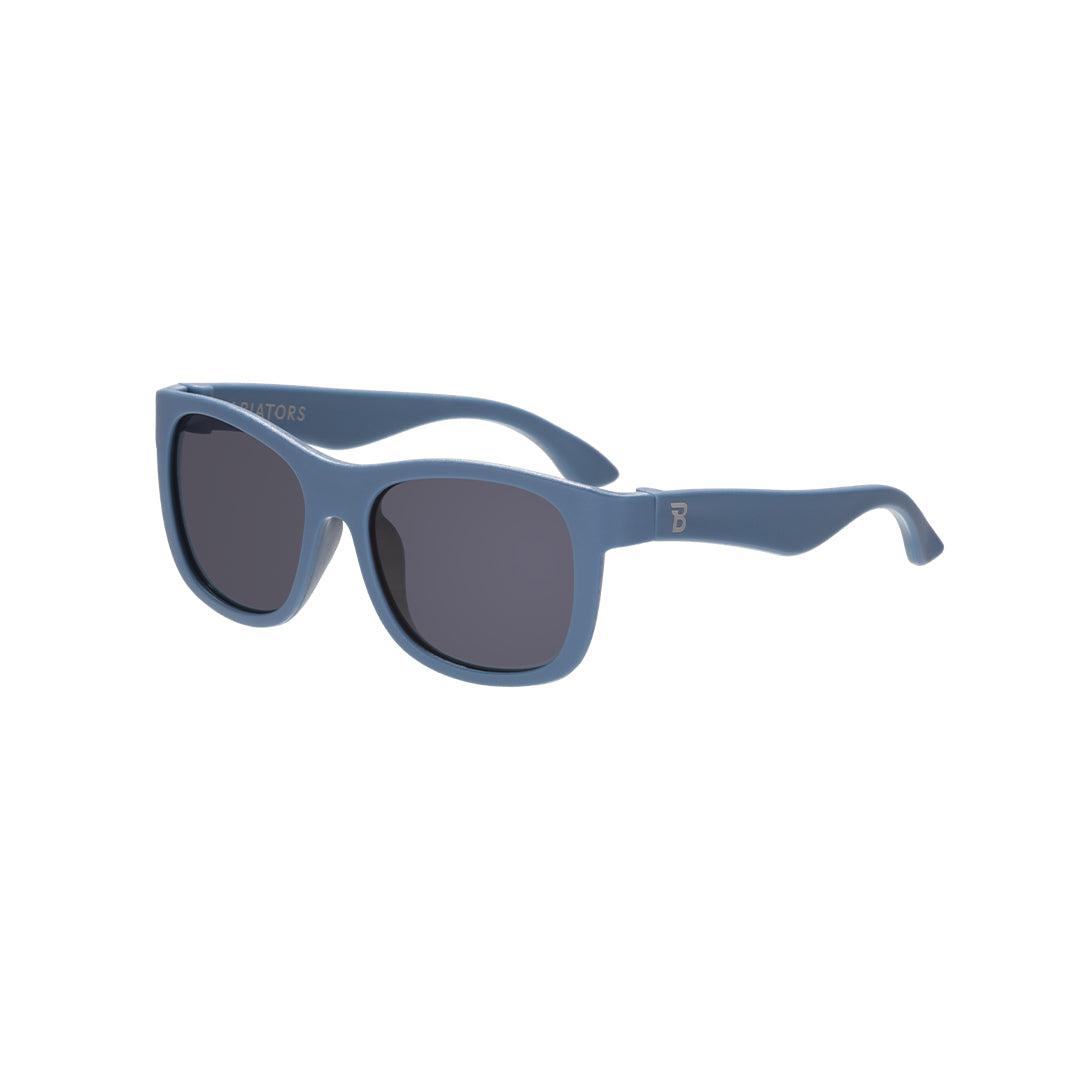
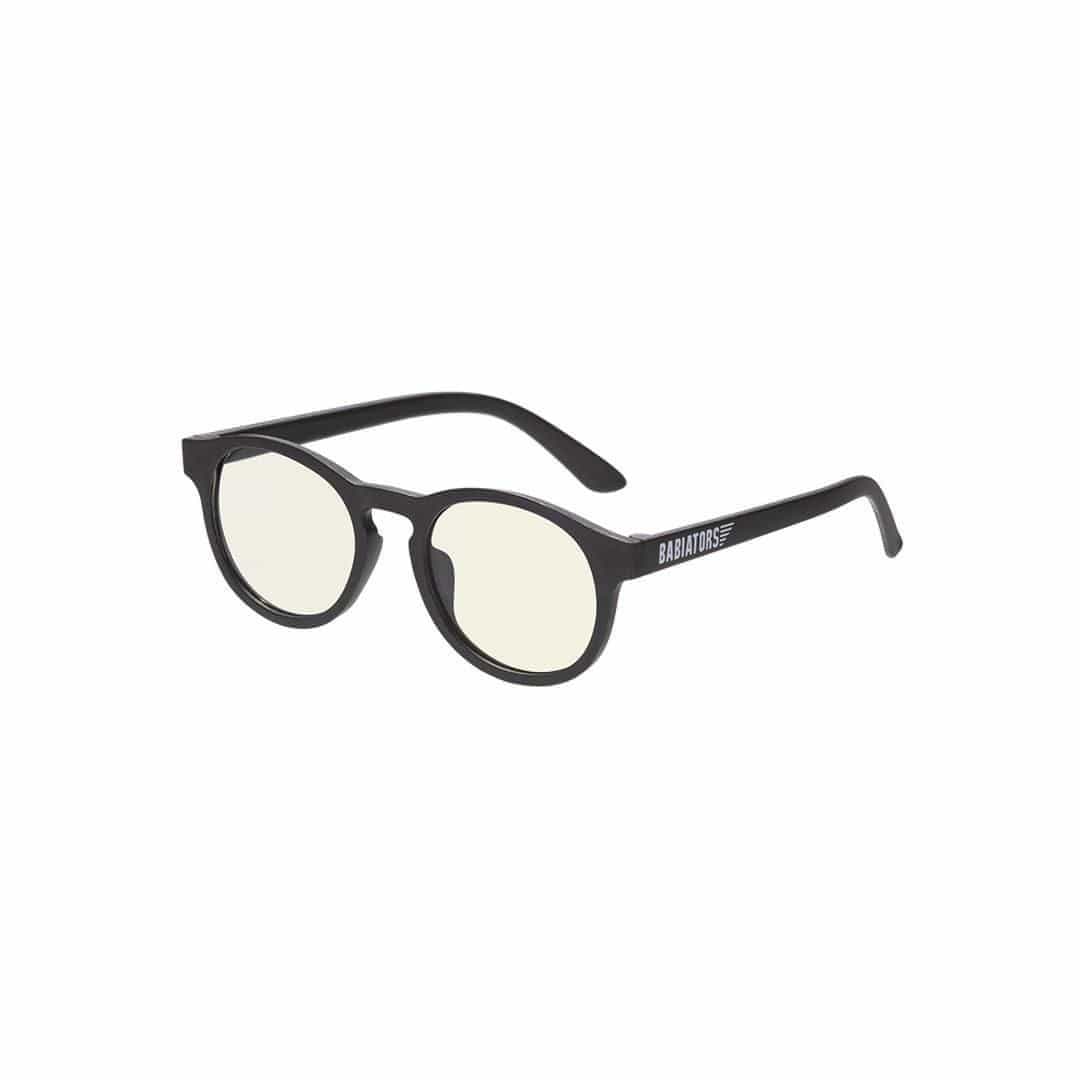
El estilo también juega un papel práctico. Las monturas redondeadas, las de tipo navegador, las de ojo de cerradura, las de corazones, flores y aviadores se ajustan de forma diferente y atraen a distintas edades. Algunos niños usarán con gusto lo que usted elija. Otros, de repente, se vuelven muy exigentes a los tres años. Darles una forma que les encante puede ser la diferencia entre la resistencia constante y unas gafas de sol que se convierten en parte de la rutina.
El estilo importa, pero solo después de la facilidad de uso
A menudo se les dice a los padres que no se preocupen por el estilo con los niños pequeños, pero eso es solo la mitad de la verdad. A los bebés puede no importarles. A los niños pequeños y mayores, definitivamente sí. Si se sienten bien con sus gafas de sol, es más probable que las mantengan puestas.
El punto ideal es un par que se vea divertido sin sacrificar la comodidad o la cobertura. Las colecciones enfocadas en los niños suelen hacer esto mejor porque están diseñadas pensando en rasgos más pequeños, monturas más ligeras y colores que a los niños realmente les gusta usar. No hay necesidad de elegir entre algo divertido y algo protector cuando el producto ha sido diseñado para hacer ambas cosas.
Eso también importa para los regalos. Los abuelos a menudo quieren algo práctico que sea emocionante de abrir. Un par que luzca especial y funcione bien cumple ambos requisitos.
El valor no es solo el precio en la página del producto
A primera vista, dos pares de gafas de sol para niños pueden parecer muy similares. Pero el valor real aparece más tarde. ¿Sobrevivieron al trimestre? ¿Aceptó su hijo usarlas? ¿Necesitó reemplazarlas después de unas vacaciones familiares? ¿Era la talla lo suficientemente clara como para evitar pedir dos veces?
Es por eso que comparar solo el precio de compra puede ser engañoso. Un mejor valor suele provenir de cuatro cosas que trabajan juntas: protección UV adecuada, durabilidad a prueba de niños, talla sencilla y una garantía sólida. Si falta una de estas, la ganga puede volverse cara muy rápidamente.
Los padres que compran para un uso regular al aire libre, viajes o entornos con mucho deslumbramiento también pueden encontrar útil elegir entre tipos de lentes en lugar de tratar todas las gafas de sol como iguales. Tener opciones como Originals, Polarizadas y opciones ecológicas ofrece a las familias más control sobre por qué y cuánto están pagando.
A quién puede adaptarse cada opción
No hay una única respuesta correcta para cada niño. Si su prioridad principal es una protección solar simple y fiable para bebés, niños pequeños y niños activos, las gafas de sol para niños diseñadas específicamente, con monturas flexibles y tallas sencillas, suelen ser la apuesta más segura. Eliminan la fricción, que es exactamente lo que necesitan las familias ocupadas.
Si su hijo es mayor, más cuidadoso con los accesorios, o si está eligiendo principalmente basándose en combinar conjuntos y para un uso ocasional, su decisión puede inclinarse hacia otro lado. Ese es el compromiso. Algunas familias necesitan una utilidad para todo el día. Otras quieren un par para un uso más ligero.
Pero para la mayoría de los padres de niños menores de seis años, especialmente aquellos que planean vacaciones, días de playa, viajes de esquí o paseos diarios en cochecito, el par ganador suele ser el que está diseñado pensando en el comportamiento real del niño en lugar de en su comportamiento ideal.
Cómo elegir sin darle demasiadas vueltas
Si está atascado, comience por el caso de uso. Pregúntese dónde usará más su hijo las gafas de sol. ¿Juego diario? ¿Recogida en la guardería? ¿Vacaciones de verano? ¿Nieve brillante? Eso le indicará si las lentes estándar con protección UV total son suficientes o si vale la pena pagar un extra por las lentes polarizadas.
Luego, mire el ajuste específico según la edad, la flexibilidad de la montura y qué sucede si se rompen. Esos tres detalles suelen ser más útiles que navegar por interminables fotos de productos. Los padres no necesitan más opciones por el simple hecho de tenerlas. Necesitan la cantidad adecuada de opciones, organizadas claramente.
Aquí es donde las marcas creadas en torno a las gafas para niños suelen ser más fáciles de comprar. La colección generalmente está organizada por edad, estilo y tipo de lente, para que pueda adaptar el producto a su hijo en lugar de adivinar el camino a seguir.
Para las familias que quieren que la protección solar se convierta en algo natural, esa facilidad importa. Cuantas menos molestias haya al elegir y reemplazar las gafas de sol de los niños, más probable será que los niños lleven un par con ellos cada vez que aparezca el sol.
Las mejores gafas de sol son las que su hijo realmente usará, las que protegen sus ojos adecuadamente y las que no tiene que tratar como si fueran porcelana fina. Elija ese par y el verano será mucho más sencillo.
 Volver a Blog

