










What Age for Baby Sunglasses?
The first time your baby screws up their face in bright sunshine, the question usually lands fast - what age baby sunglasses actually make sense? If your little one is heading out in the pram, riding in the carrier, playing in the garden or joining you on holiday, eye protection can start earlier than many parents realise.
Babies' eyes are still developing, and they can be more sensitive to sunlight than adult eyes. That does not mean every newborn needs sunglasses on every outing, but it does mean sun protection is not just a grown-up issue. A baby who spends time outdoors can benefit from proper UV-blocking sunglasses, as long as the fit is right, the lenses offer full protection and they are comfortable enough to keep on.
What age baby sunglasses can start?
In simple terms, babies can wear sunglasses from infancy if they are going to be out in bright conditions. There is no magic birthday when sunglasses suddenly become useful. If your baby is a few weeks old and you are taking a sunny walk, sitting in the park or travelling somewhere warm, it is reasonable to think about eye protection alongside a sun hat and shade.
The key point is context. A tiny baby in a fully covered pram with a deep hood and good shade may not need sunglasses for every outing. A baby facing reflected glare near water, sand or snow is in a different situation. UV exposure does not wait until toddlerhood, and reflected light can be especially harsh even on cooler or breezier days.
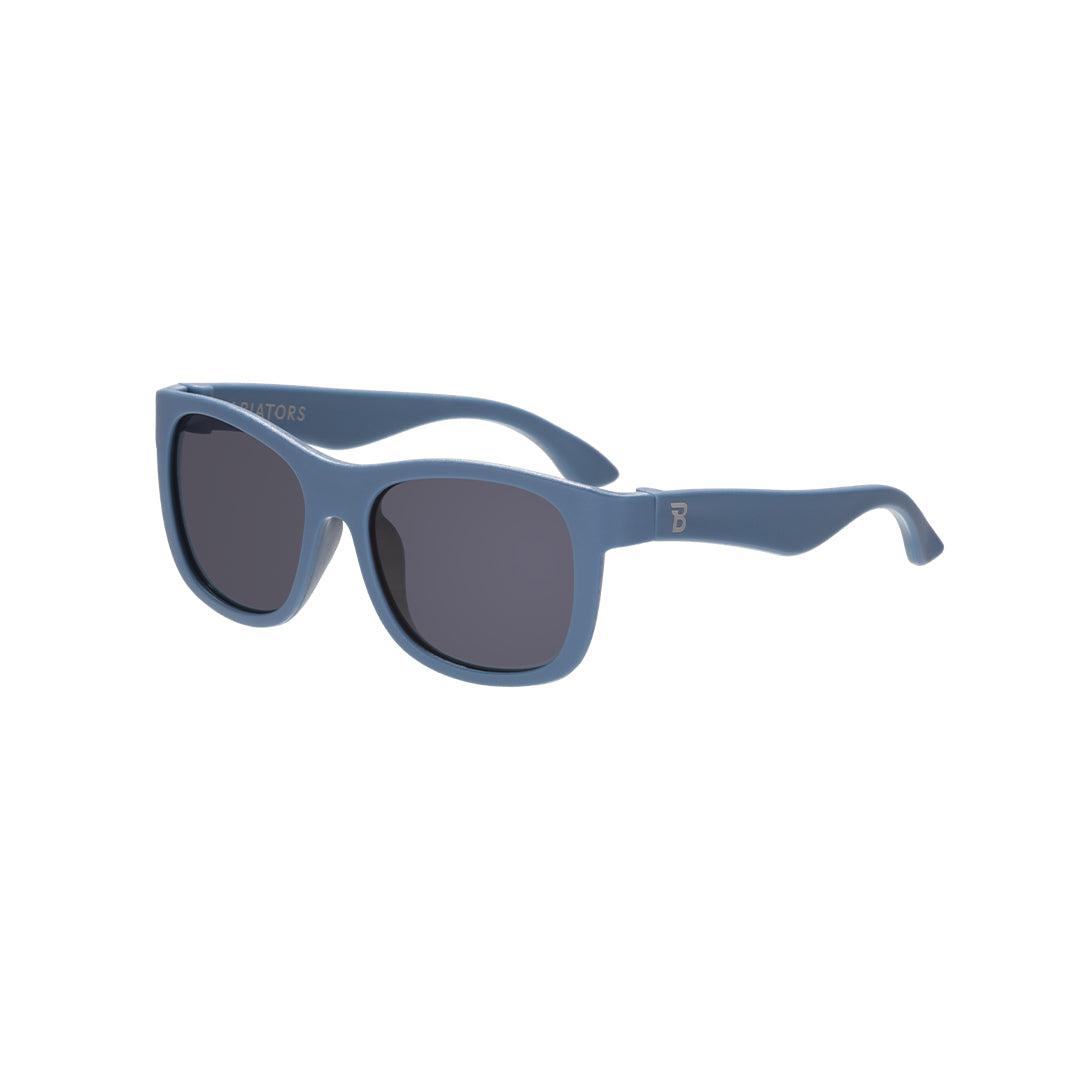
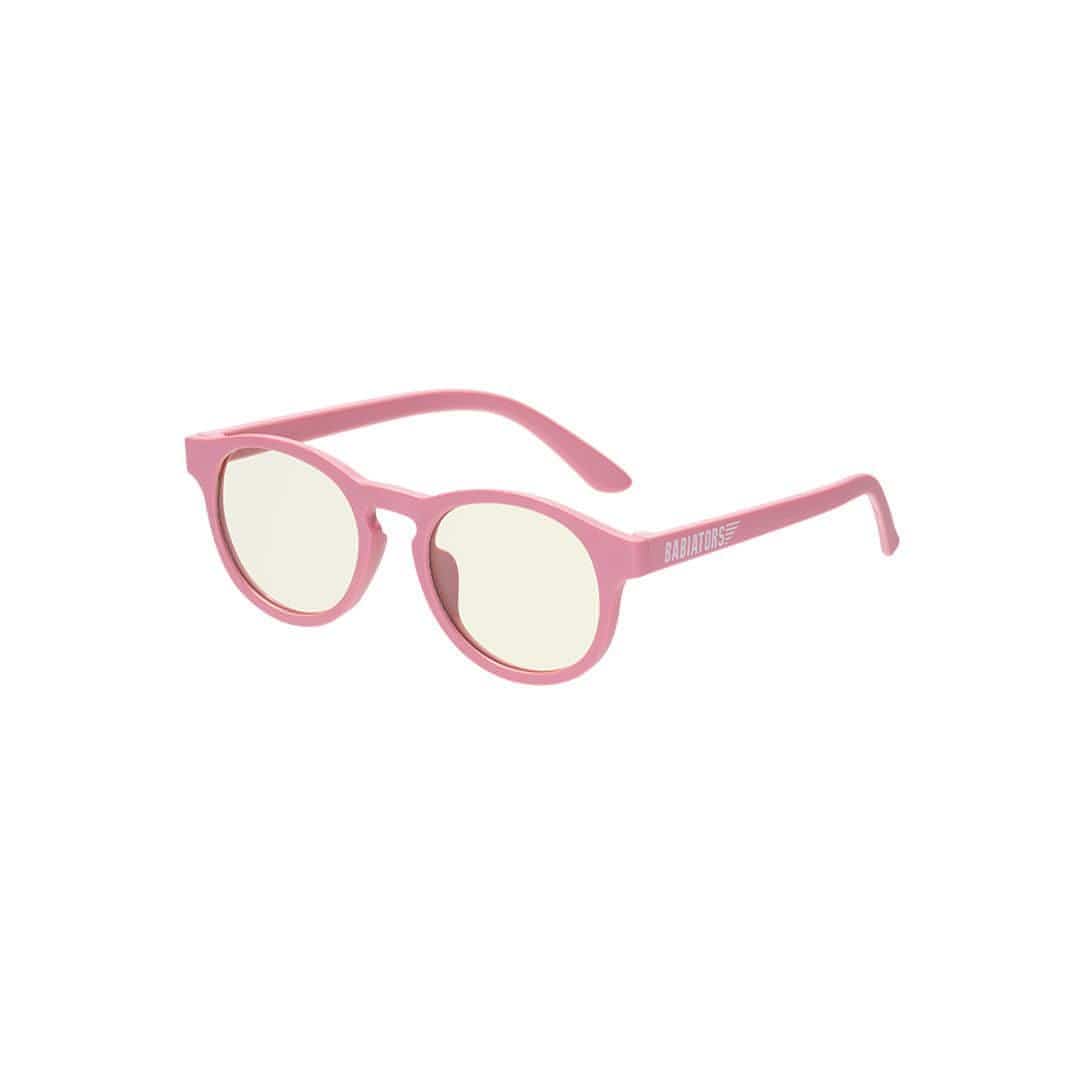
For many parents, the practical starting point is when their baby begins spending regular time outdoors and can comfortably wear a lightweight pair designed for their age. That is why age-based sizing matters. Frames made for babies aged 0-2 are built differently from sunglasses for older children. They need to sit securely, feel soft and handle a fair amount of grabbing, dropping and bending.
Why babies need sun protection for their eyes
Parents are used to thinking about sun cream and hats, but eyes often get missed. The issue is UV radiation, not just brightness. Dark lenses alone are not enough. What matters is 100% UV protection.
Baby eyes let in more light than adult eyes because their ocular structures are still developing. That can make them more vulnerable to UV exposure over time. You do not need to panic about every ray of sunshine, but it is worth building good habits early, especially for families who are often outdoors.
This matters even more on beach days, ski trips and summer holidays, where sunlight bounces back off bright surfaces. Water, sand and snow can all increase glare. So can low winter sun, which catches children straight in the face when they are sitting in a buggy or bike trailer.
When baby sunglasses are most useful
Not every outdoor moment calls for sunglasses, and that is where common sense comes in. If your baby is mostly sleeping under a buggy shade on a short errand, a hat and hood may do the job. If you are heading out for longer stretches in open sunshine, sunglasses become more useful.
They are especially worth considering for holidays, park trips, walks without much shade, buggy rides during midday brightness, beach days and any setting with strong reflection. Babies carried in slings or front carriers can also benefit because they are more exposed than they would be inside a pram.
Some babies take to sunglasses quickly. Others pull them off in ten seconds flat. That does not mean they are too young. Usually it means the fit is off, the frames are uncomfortable or they just need a bit of practice. Like hats, many baby products work better once they become familiar.
How to choose the right sunglasses for a baby
If you are buying for a baby, the first filter should always be protection. Look for lenses with 100% UVA and UVB protection. That is the non-negotiable part.
After that, fit matters just as much. Baby sunglasses should sit close to the face without pinching, slipping down or pressing too tightly behind the ears. Frames that are too big let in more light and are more likely to get tugged off. Frames that are too small are uncomfortable and rarely stay on for long.
Material matters too. Babies are not careful with sunglasses, and no one expects them to be. They chew them, twist them, throw them from the buggy and sit on them five minutes after you put them down. That is why flexible, durable frames make such a difference. Parents do not need one more fragile item in the changing bag.
Lens category matters as well. For everyday wear, high-quality protective lenses are the priority. In especially bright conditions, polarised lenses can help reduce glare, which can be handy near water, snow or very bright pavement. The right choice depends on how and where your child will wear them.
What age baby sunglasses fit best by size
Age labels are a guide, not a guarantee, because babies grow at wildly different rates. Still, age-based sizing gives parents a much better starting point than guessing.
For babies and young toddlers, a 0-2 size is typically the right place to start. These frames are shaped for smaller faces and designed to stay comfortable during that early stage when children are wriggly, curious and not remotely interested in looking after accessories. Once your child moves into the toddler years and their face shape changes, they may be ready for the next size bracket.
If your baby is between sizes, comfort should lead the decision. A pair that almost fits but slides off will not get worn. A pair with a snug, secure fit usually has a much better chance.
Signs your baby's sunglasses are not right
Parents usually know quickly when a pair is not working. If the frames leave marks, slip constantly, sit on the cheeks or your baby becomes upset the moment they go on, something needs adjusting.
Another common problem is buying based on style alone. Cute matters, of course. But if the fit is poor, even the best-looking pair will spend more time in the nappy bag than on your child's face. The sweet spot is sunglasses that look fun and feel easy.
This is also where durability earns its keep. Children are rough on everything, and eyewear is no exception. A pair built to survive real kid behaviour is simply more useful than one that looks nice for a week.
Helping your baby get used to sunglasses
If your baby resists sunglasses at first, start small. Put them on for a few minutes during a buggy walk or while they are distracted by something interesting outside. Babies often accept new things more easily when they are already engaged.
It also helps to stay relaxed. If sunglasses become a big battle, babies tend to notice. Try again later rather than forcing it. The goal is to make them feel normal, just like putting on a hat before heading out.
Older siblings can help too. Babies and toddlers love copying. If big brother or sister is wearing their sunglasses, the younger child may be more willing to give theirs a chance.
Do babies still need hats and shade?
Yes - absolutely. Sunglasses are one part of the sun-safety picture, not the whole plan. Babies still need a wide-brimmed hat, shade where possible and sensible timing on very bright days.
Think of sunglasses as added protection for the eyes, especially when shade is limited or glare is strong. They work best alongside the basics, not instead of them. That layered approach is usually the easiest and most realistic for family life.
A simple rule for parents
If your baby is old enough to be outdoors in bright daylight, they are old enough to benefit from sunglasses designed for babies. The exact age is less important than the situation. What matters is exposure, proper UV protection, a secure fit and frames tough enough for everyday chaos.
That is why many parents choose to start early, especially if they spend a lot of time outside or have travel planned. Good baby sunglasses are not about dressing up a miniature adult. They are about protecting developing eyes with gear that can handle real life.
At Babiators UK, that means 100% UV protection, age-based sizing and frames built for little hands that bend first and ask questions later. Because raising your sun safety should feel simple, not stressful.
If you are wondering whether your baby is too young, the better question is this: will they be out in bright sun? If the answer is yes, it is worth making eye protection part of the routine now, so it feels easy by the time they are off and running.
 Volver a Blog


