










Rubber Frames vs Plastic for Kids
Your child takes their sunglasses off with one hand, sits on them in the buggy, then asks for them back two minutes later. That is exactly why the rubber frames vs plastic question matters. For adults, frame material can be a style choice. For babies, toddlers and young children, it is much more about comfort, safety, durability and whether the sunglasses survive a normal day out.
When parents shop for kids’ sunglasses, they usually start with lens protection - and rightly so. 100% UV protection is non-negotiable. But the frame matters more than many people realise. A frame that pinches, snaps easily or slides down a little nose can turn a useful pair of sunglasses into something your child refuses to wear.
Rubber frames vs plastic: what is the real difference?
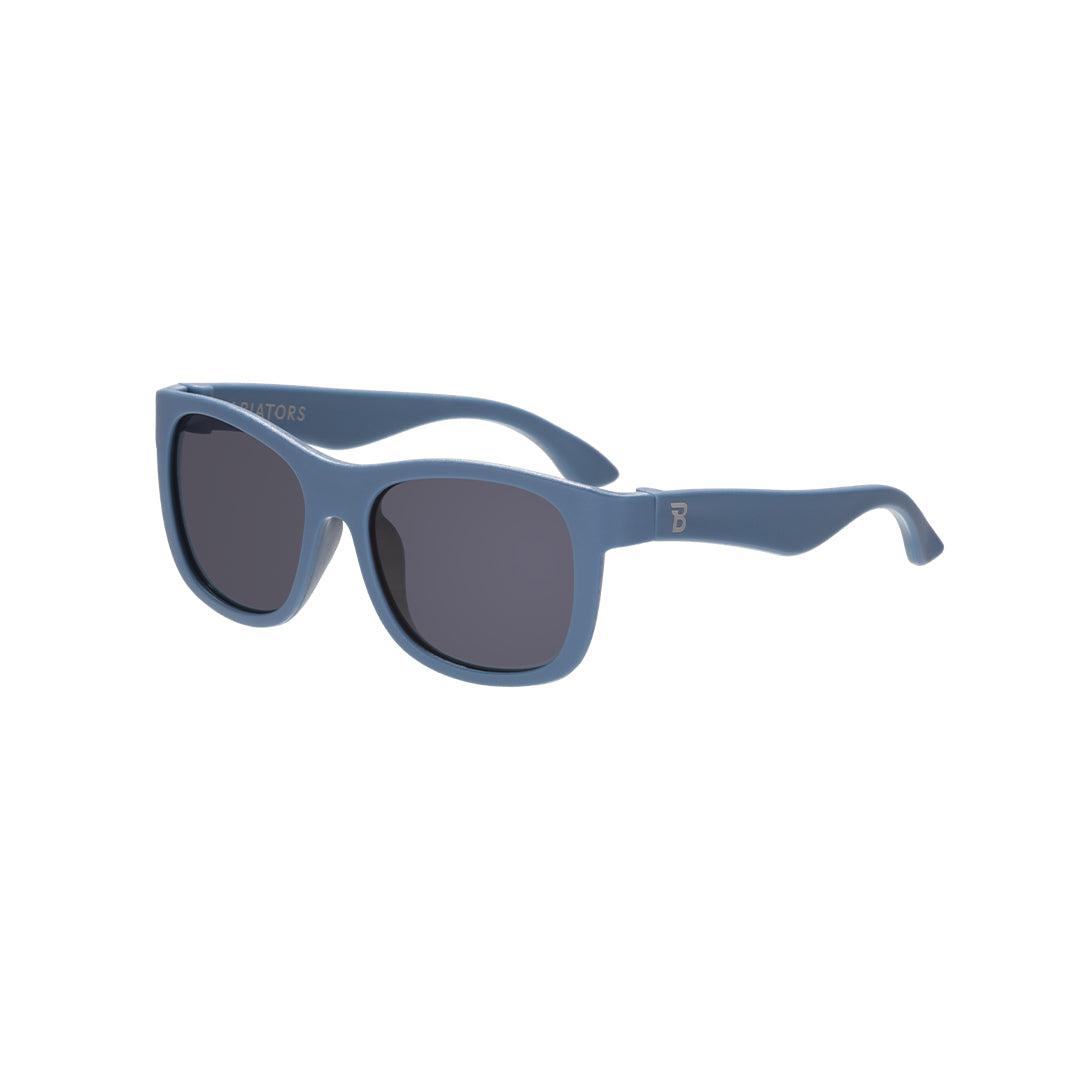
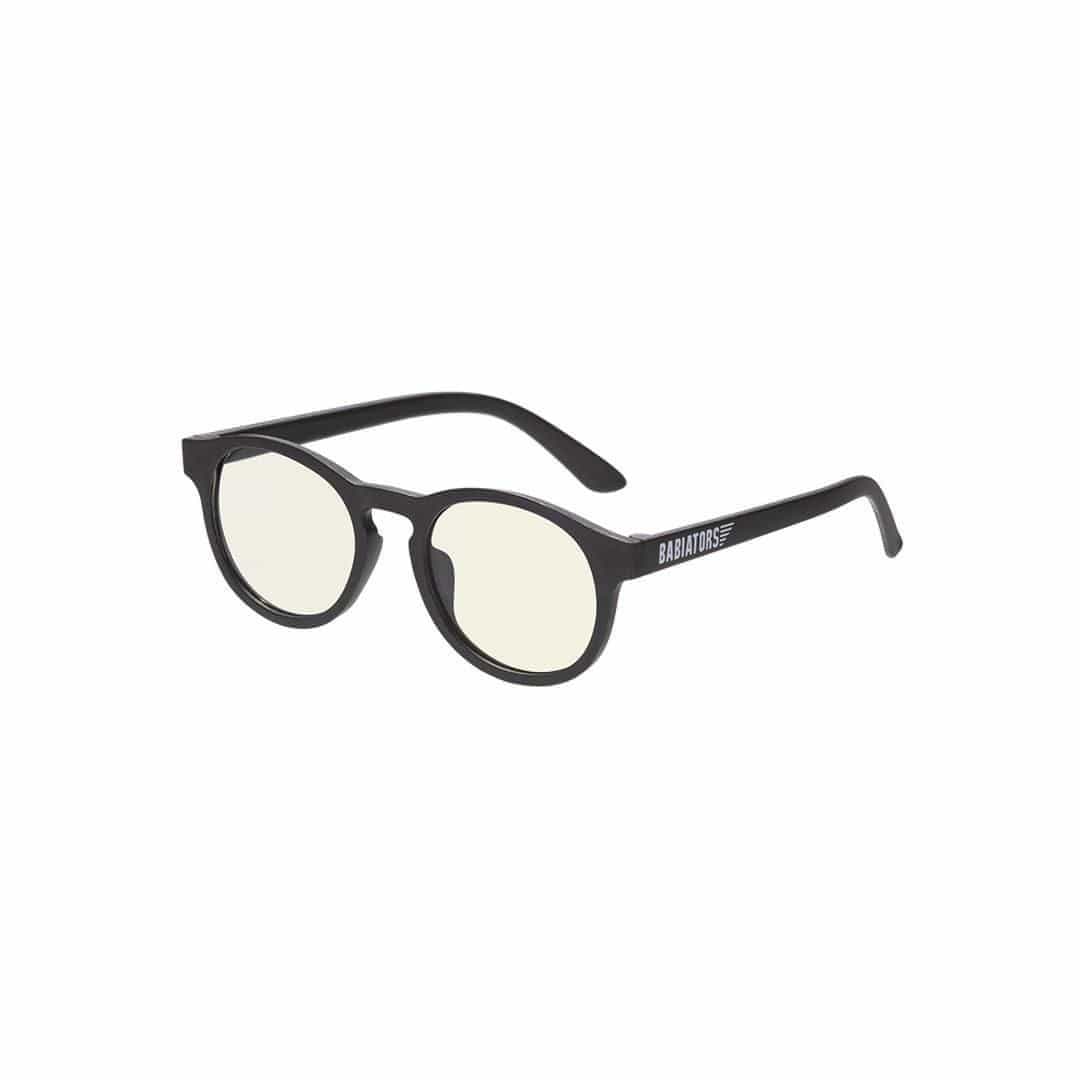
At a glance, rubber and plastic frames can look quite similar. In practice, they behave very differently. Rubber-style frames are usually softer, more flexible and more forgiving when bent, twisted or dropped. Plastic frames tend to be firmer and can feel more structured, which may suit certain looks or older wearers, but that extra rigidity can be a drawback for younger children.
For parents buying for babies, toddlers and preschoolers, the key question is simple: what will stay comfortable and intact through real kid behaviour? That includes throwing, chewing, squashing into changing bags and wearing them with all the enthusiasm of a child who has not yet decided whether sunglasses are brilliant or deeply suspicious.
Why flexibility matters so much for children
Children do not handle eyewear gently. Even the most careful little one will tug at the arms, pull frames off one-handed or drop them lens-first onto the ground. That is where softer, bendier materials tend to shine.
Rubber frames are generally better at absorbing the chaos. If a child bends them while taking them off, the frame has some give. If they land awkwardly, there is less chance of an immediate crack. That flexibility is not just useful for longevity. It also matters for safety. A softer frame is less likely to feel harsh against little faces during active play.
Plastic frames, by contrast, often hold their shape more rigidly. That can create a cleaner, more fashion-led silhouette, but it can also mean more stress on specific points of the frame. When enough force is applied, rigid materials are more likely to crack, split or snap rather than bounce back.
That does not mean every plastic frame is fragile, or every rubber frame is perfect. Material quality makes a huge difference. But for younger children, flexibility usually works in your favour.
Comfort on small faces
Comfort is where many buying decisions are won or lost. If sunglasses feel awkward, children will remove them constantly. If they feel easy, light and gentle, children are more likely to leave them on long enough to get the protection they need.
Rubber frames often have a softer touch and a gentler fit, which can help around the ears and nose. That matters for babies and toddlers, whose features are still developing and who may be less tolerant of anything that feels tight or stiff.
Plastic frames can sometimes feel smoother and lighter depending on the build, but they can also feel harder at pressure points. For older children this may not be a major issue, especially if the fit is spot on. For younger ones, even a small bit of rubbing can quickly become a battle.
Durability in the real world
Parents are not buying display pieces. They are buying sunglasses for park trips, buggy naps, beach days, nursery bags and family holidays. So durability has to be judged in the real world, not just on a shelf.
In a rubber frames vs plastic comparison, rubber-style frames often come out ahead for everyday resilience. They are usually better at handling repeated bending and accidental rough treatment. If your child drops their sunglasses several times before lunch, that resilience is not a bonus feature. It is the feature.
Plastic frames can still be durable, but they tend to rely more on careful design and higher-grade construction to cope with impact. Lower-quality plastic, especially in children’s eyewear, can become brittle or show stress more quickly. Hinges and corners are often where problems start.
This is one reason many parents prefer child-focused sunglasses designed to be virtually indestructible rather than mini versions of adult styles. Kids need frames built for movement, not just scaled down for size.
What about shape retention?
This is one area where plastic can have an advantage. Because it is more rigid, it may keep a crisp shape more consistently over time. If the sunglasses are rarely mishandled and are worn by an older child who treats them carefully, that structure can appeal.
Rubber frames, depending on the material blend, may feel more relaxed in shape. For most parents of young children, that trade-off is worth it. A frame that stays wearable after a dozen bends is usually more useful than one that looks sharply structured until the day it cracks.
Safety and peace of mind
For children’s sunglasses, safety is about more than UV protection. It is also about how the frame behaves during active play. Kids run, climb, tumble and fall asleep in awkward positions. Their sunglasses need to cope with all of that.
Softer, more flexible frames are often a reassuring choice because they reduce the chance of hard edges digging in or rigid parts creating discomfort when children move around. For babies and toddlers especially, a forgiving frame material can make everyday wear feel much safer and simpler.
Parents should also pay attention to fit, because even the best material will not help if the sunglasses slide off easily or sit unevenly. A secure fit helps prevent constant touching and readjusting, which also means fewer drops and less frustration.
Style still matters - and that is not frivolous
Parents often feel they should only focus on protection and durability. But style matters too, especially if it helps children actually want to wear their sunglasses. Bright colours, fun shapes and age-appropriate designs can turn sunglasses from a struggle into a favourite accessory.
Plastic frames have often been associated with more fashion-forward looks because they can hold sharper lines and polished finishes. But modern rubber-style frames can still look brilliant. You do not have to choose between practical and playful.
That is especially true in children’s eyewear, where the best designs blend soft, flexible materials with shapes kids love wearing. If your child is excited to put them on before heading outside, you are already winning.
Which is better for babies and toddlers?
For most babies and toddlers, rubber frames are the easier choice. They are usually more comfortable, more flexible and better suited to the rough-and-tumble reality of early childhood. That softness can make all the difference when you are trying to introduce sunglasses without tears or constant removal.
Plastic may suit some older children who are gentler with their things or who strongly prefer a certain look. But for the under-5s, flexibility tends to be the practical winner.
This is also where age-based sizing matters just as much as material. A soft frame in the wrong size still will not work well. Parents should look for sunglasses designed specifically for their child’s age range rather than hoping a bigger pair will do the job.
How to choose without overthinking it
If you are stuck on rubber frames vs plastic, start with your child rather than the material itself. Think about how they actually behave. Are they active, wriggly, likely to bend the arms backwards, or prone to throwing things from the buggy? If yes, flexible rubber-style frames are likely to make life easier.
Then consider comfort, fit and UV protection together. The best children’s sunglasses do not just block harmful rays. They stay on, feel good and survive daily wear. That combination is what gives parents real value.
For families who spend a lot of time outdoors, travel often or need a pair that can handle repeated use, durability should sit high on the list. A stylish pair that breaks quickly is not a bargain. A pair that protects little eyes and keeps going is.
At Babiators UK, that is exactly the thinking behind kids’ sunglasses made for real family life - fun to wear, serious about sun safety, and tough enough for the adventures children invent for them.
When you are choosing sunglasses for a child, the best frame material is the one that helps them wear proper protection happily and often. If that means softer, bendier frames that can cope with snack-time squashing and playground tumbles, that is not settling. That is choosing smart.
 Volver a Blog

