










Guía de protección UV para gafas de sol de recién nacidos
Un recién nacido en un cochecito en un día luminoso puede acabar entrecerrando los ojos mucho antes de que un adulto sienta incomodidad. Es por eso que la protección UV de las gafas de sol para recién nacidos es más importante de lo que muchos padres creen. Los bebés tienen ojos delicados, tejidos oculares más delgados y no tienen forma de decirte cuándo les molesta el resplandor, por lo que el par de gafas de sol adecuado no es un extra adorable, sino parte de una protección solar inteligente.
¿Realmente los recién nacidos necesitan gafas de sol?
A veces sí, y a veces la sombra por sí sola hace la mayor parte del trabajo. Si mantienes a tu bebé fuera del sol directo con una capota de cochecito, sombrilla, gorro y calculando bien el tiempo, puede que las gafas de sol no sean esenciales cada minuto que pases al aire libre. Pero en condiciones de mucha luminosidad, especialmente cerca del agua, arena, nieve o espacios muy abiertos, la luz reflejada puede ser intensa incluso cuando tu bebé no está frente al sol.
Ahí es donde entran en juego las gafas de sol. Unas buenas gafas de sol para bebés ayudan a reducir tanto la exposición a los rayos UV como el resplandor visible. Pueden hacer que los paseos al aire libre, las salidas al parque y las vacaciones sean más cómodos, y añaden una capa extra de protección cuando la sombra es limitada.
El punto clave es este: las gafas de sol no sustituyen la necesidad de evitar el sol fuerte. Son parte del conjunto. Piensa primero en la sombra, luego en el gorro y después en las gafas cuando las condiciones lo requieran.
Lo que la protección UV de las gafas de sol para recién nacidos debería significar realmente
No todas las lentes oscuras protegen. Una lente puede parecer tintada y aun así no bloquear suficientes rayos nocivos. Cuando los padres buscan protección UV en gafas de sol para recién nacidos, la frase que deben buscar es 100% protección UVA y UVB.
Esa redacción importa. UVA y UVB son los rayos ultravioleta relacionados con la irritación a corto plazo y el daño ocular a largo plazo. Los bebés y los niños pequeños son más vulnerables porque sus ojos dejan pasar más luz a la retina que los ojos de los adultos. Si las gafas de sol no indican claramente una protección 100% UV, no están haciendo el trabajo que necesitas que hagan.
La oscuridad de la lente no es lo mismo que la seguridad frente a los rayos UV. De hecho, las lentes oscuras sin un filtro UV adecuado pueden ser peor que no llevar gafas, ya que pueden hacer que la pupila se abra más. Entra más luz y, con ella, más rayos UV.
Por qué el ajuste importa tanto como la lente
Un bebé puede tener unas lentes excelentes en una montura que se niega a usar. Esa es la realidad. Para los recién nacidos y bebés muy pequeños, la comodidad lo es todo.
El mejor ajuste es el que se mantiene firme sin pellizcar, deslizarse o presionar demasiado detrás de las orejas. Las monturas ligeras ayudan, y los materiales flexibles son un gran acierto porque los bebés agarran, doblan y dejan caer todo lo que está a su alcance. Si las gafas de sol resultan incómodas, no las mantendrán puestas por mucho tiempo.
La forma de la cara también importa. Una montura demasiado ancha deja entrar más luz por los lados y puede moverse durante los paseos o las siestas en el cochecito. Una montura demasiado estrecha puede dejar marcas de presión y provocar un rechazo instantáneo. La talla según la edad puede eliminar parte de las dudas al comprar, especialmente si eliges online.
Protección UV de gafas de sol para recién nacidos y elección de lentes
La mayoría de los padres no necesitan complicar demasiado la elección de las lentes, pero un poco de contexto ayuda. Las lentes estándar con 100% de protección UV son un buen punto de partida para el uso diario. Protegen los ojos de los rayos nocivos y funcionan bien para el juego regular al aire libre, los paseos en cochecito y el tiempo en el jardín.
Las lentes polarizadas pueden ser especialmente útiles en entornos de mucho resplandor. Si tu familia pasa tiempo cerca del agua, en la playa, en condiciones de nieve o en vacaciones soleadas en el extranjero, las lentes polarizadas ayudan a reducir el resplandor reflejado que rebota en superficies planas. Eso puede hacer las cosas más cómodas para los bebés a los que parece molestarles la luminosidad.
Sin embargo, hay un inconveniente. Las lentes polarizadas suelen ser una opción de gama alta, y no todos los recién nacidos las necesitarán para los paseos diarios por el parque local. Si el tiempo que pasas al aire libre es mayormente a la sombra o es breve, las lentes estándar con protección UV pueden ser perfectamente adecuadas.
Las características que los padres deben priorizar
Cuando compras para un recién nacido o un bebé pequeño, hay algunas características que importan más que los extras llamativos. La primera es una protección UV adecuada. Eso no es negociable. La segunda es la durabilidad. Las gafas de sol de los bebés se tuercen, se mastican, se lanzan desde el cochecito y son pisoteadas por hermanos mayores. Las monturas deben poder soportar la vida real.
La tercera es la comodidad. Los materiales de tacto suave y flexibles, junto con un ajuste delicado, suelen ser mejores que cualquier cosa rígida o demasiado estructurada. La cuarta es un sistema de tallas sencillo. Los padres no deberían necesitar la tabla de un óptico para saber qué le sirve a un bebé de seis meses.
Una garantía también puede marcar la diferencia. Los bebés son brillantes a la hora de poner a prueba las promesas de los productos en tiempo récord. Un par que cuenta con respaldo cuando ocurren accidentes elimina mucho estrés de la compra. Esa es una de las razones por las que muchos padres buscan marcas creadas específicamente para niños en lugar de estilos de adulto reducidos.
¿Cuándo deberían los bebés usar gafas de sol?
No hay ninguna regla que diga que las gafas de sol deben ponerse cada vez que sales al exterior. El contexto importa.
En un paseo rápido de invierno con la capota subida y el cielo nublado, tu bebé puede estar bien protegido con un gorro y la sombra. En una tarde soleada de verano, o durante una escapada a la playa donde la luz se refleja fuertemente en el agua y la arena, las gafas de sol tienen mucho más sentido. Lo mismo ocurre en viajes de esquí, días en gran altitud y largos paseos en cochecito donde tu hijo no puede simplemente apartar la vista del resplandor.
Observa a tu bebé para buscar señales. Entrecerrar los ojos, apartar la vista de la luminosidad, inquietarse cuando está frente a la luz directa y parecer más calmado una vez a la sombra son señales de que el sol puede estar molestándole.
Cómo ayudar a un recién nacido a aceptar las gafas de sol
Algunos bebés usan gafas de sol felizmente desde el primer día. Otros reaccionan como si les hubieras insultado personalmente. Ambos casos son normales.
Empieza con periodos cortos. Ponlas cuando salgas al exterior en lugar de intentar mantenerlas puestas en interiores, donde se sentirán extrañas e innecesarias. Combínalas con algo positivo como un paseo, un abrazo en el portabebés o tiempo en el jardín. Los bebés conectan rápidamente la sensación de luminosidad al aire libre con la comodidad de proteger sus ojos.
También ayuda si las monturas son ligeras y flexibles. Cuanto más naturales se sientan, menos probable es que tu bebé se las quite inmediatamente. Si sigue quitándoselas, no lo fuerces durante largos periodos. Ve aumentando gradualmente.
Puntos de seguridad que vale la pena conocer
Las gafas de sol nunca deben crear nuevos riesgos. Comprueba que no haya piezas pequeñas desmontables, bordes afilados o secciones quebradizas que puedan romperse bajo presión. Si tu bebé se queda dormido en la silla del coche o en el cochecito, asegúrate de que las monturas no estén presionando incómodamente contra su cara.
También vale la pena recordar que las gafas de sol son solo una parte de la protección solar. Especialmente para los recién nacidos, limitar la exposición directa al sol sigue siendo la prioridad. Usa la capota del cochecito, elige rutas con sombra, evita el sol fuerte del mediodía siempre que sea posible y añade un gorro de ala ancha para una cobertura extra.
Elegir un par sin darle demasiadas vueltas
Los padres a menudo sienten que necesitan convertirse en pequeños expertos antes de comprar gafas de sol para bebés. No lo necesitas. Mantenlo simple.
Busca una protección 100% UVA y UVB claramente etiquetada. Elige una montura específica para bebés en el rango de edad correcto. Prioriza materiales flexibles y duraderos que puedan sobrevivir a un manejo brusco. Decide si las lentes polarizadas valen la pena basándote en la rutina de tu familia, no en el ruido del marketing.
Si pasas mucho tiempo al aire libre, viajas a menudo o tienes un bebé que parece sensible a la luminosidad, vale la pena elegir un par en el que confíes y que realmente vayas a usar. Un estilo divertido también ayuda. Los padres compran protección, pero los niños desarrollan sus preferencias rápidamente, y unas monturas alegres no hacen daño.
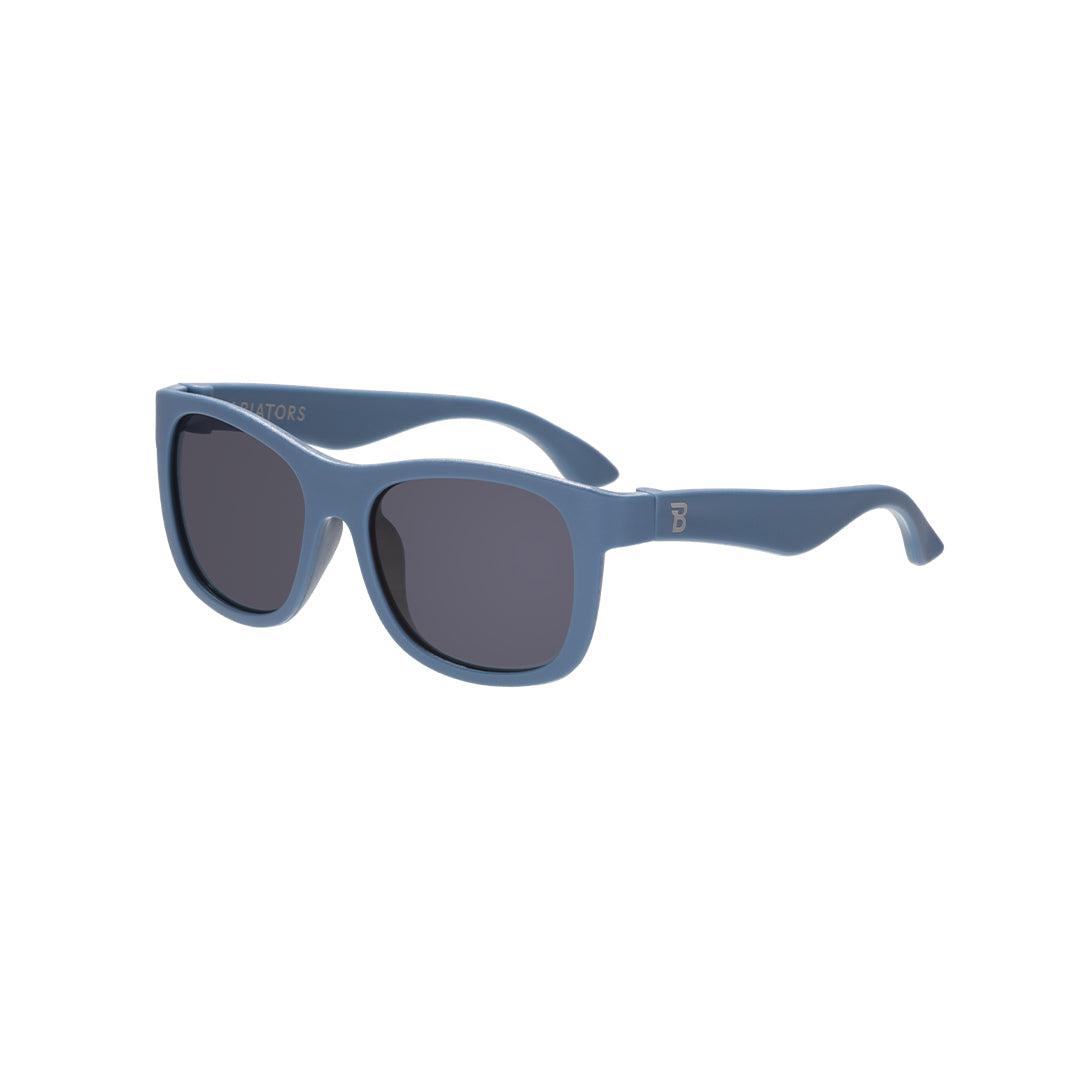
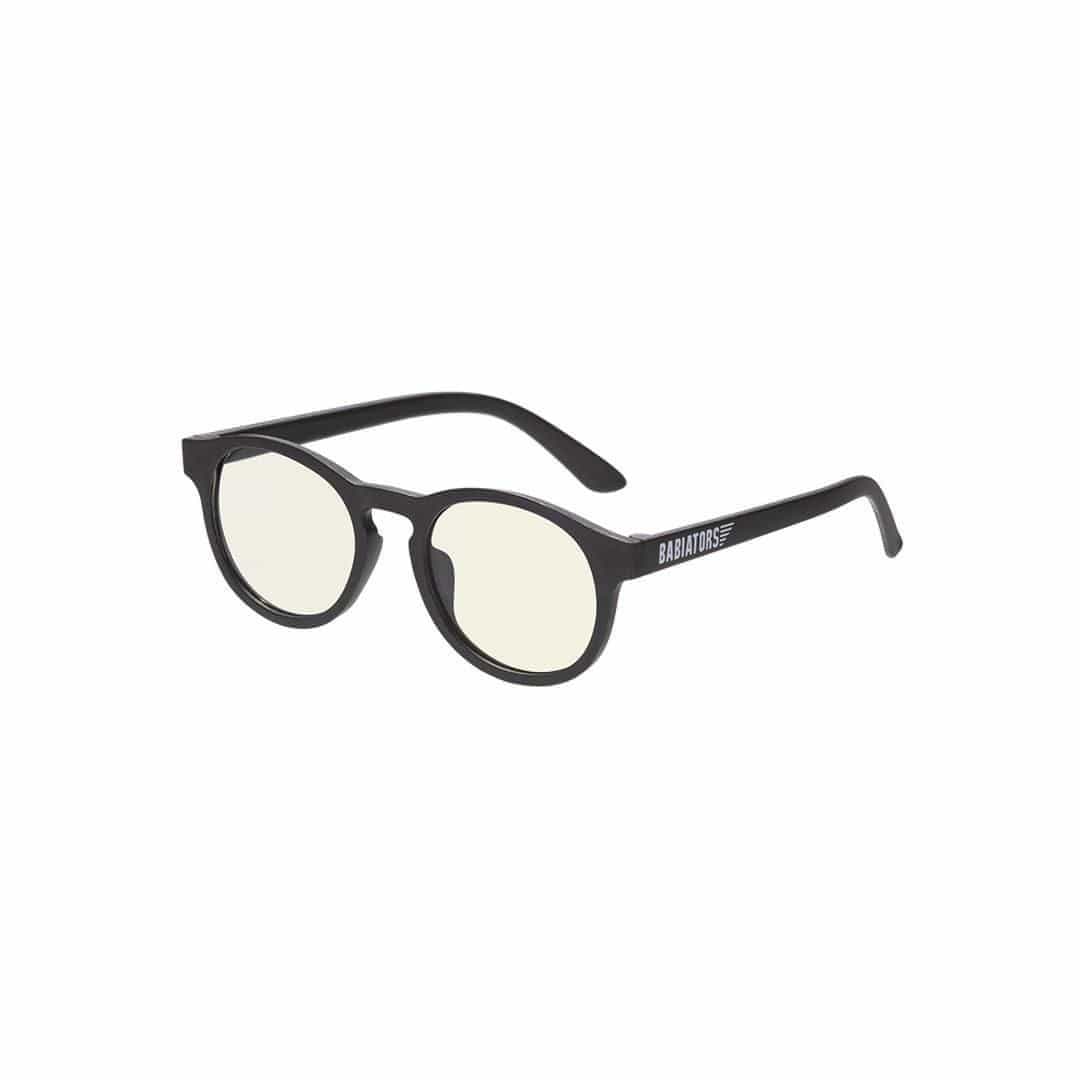
Para las familias que quieren una protección fuerte sin el drama de las gafas de sol frágiles, Babiators UK ha construido su gama exactamente en torno a esa idea: 100% protección UV, durabilidad apta para niños y tallas que tienen sentido.
La visión general sobre la protección UV de las gafas de sol para recién nacidos
El mejor enfoque es práctico, no perfecto. Tu bebé no necesita usar gafas de sol cada segundo que está fuera, y no necesitas entrar en pánico en cada día nublado. Pero cuando las condiciones son brillantes, reflectantes o prolongadas, una protección UV adecuada en las gafas de sol para recién nacidos es un paso inteligente.
Prioriza la protección solar desde el principio, haz de la comodidad parte de la decisión y elige gafas de sol que puedan seguir el ritmo de la vida familiar real. El par adecuado debería proteger los ojos de tu bebé, mantenerse puesto más de cinco segundos y hacer que los días soleados sean más fáciles para todos.
 Volver a Blog

