










Kids Sunglasses for Ski Trip: What to Choose
Snow looks magical right up until your child starts squinting halfway down the beginner slope. Bright mountain light can be fierce, and kids sunglasses for ski trip packing lists are not a nice-to-have. They are one of those small pieces of kit that can make a big difference to comfort, visibility and eye protection on the mountain.
Parents often focus on salopettes, gloves and waterproof socks first. Fair enough. But snow reflects a huge amount of UV light, which means little eyes can get a double dose - direct sun from above and reflected glare from below. Add wind, cold air and long hours outdoors, and suddenly the right sunglasses earn their place in the suitcase.
Why kids sunglasses for ski trip days matter so much
A ski holiday is not the same as a sunny afternoon in the park. At altitude, UV exposure tends to be stronger, and snow can reflect up to 80% of UV rays. That means children are exposed even when the sun does not feel especially warm. In fact, overcast mountain days can still be bright enough to make kids uncomfortable.
Children’s eyes are also more vulnerable than adults’ eyes. They let in more light, and younger children are less likely to notice when glare is making things harder to see. Instead, you may spot the signs yourself - rubbing eyes, turning away from the brightness, becoming grumpy outdoors or refusing to keep looking ahead while walking to the lifts.
That is why 100% UV protection should be non-negotiable. Style is fun, and a frame they actually want to wear definitely helps, but the protection claim comes first.
What to look for in kids sunglasses for a ski trip
The best pair for the mountains is not always the fanciest. For most families, the smart choice comes down to a mix of protection, fit and durability.
Start with lenses that offer 100% UVA and UVB protection. If that information is vague or missing, move on. Ski trips involve long stretches in bright conditions, so parents need a clear, reliable standard rather than guesswork.
Polarised lenses can also be a strong choice for snowy holidays because they help cut harsh glare bouncing off the snow. That can make the world look clearer and more comfortable, especially for children who are walking around the resort, sitting in a pushchair, riding in a sled or watching siblings on the slopes. It depends a bit on the child and the conditions, though. Some families prefer a standard lens for all-purpose wear, while others really notice the difference with polarised lenses in reflective environments.
Frames matter just as much as lenses. Kids drop things. They sit on things. They throw things in the bottom of a changing bag and then wonder why they are gone. On a ski trip, sunglasses get shoved into coat pockets, tossed into glove compartments and handed over with icy mittens. Durable, flexible frames are a big win because they are built for real-life family travel, not just neat little product photos.
A secure but comfortable fit is another must. If sunglasses pinch, slide down a little nose or press behind the ears under a hat, your child will rip them off in seconds. The best pair feels light, stays put and does not turn into a battle every time you head outside.
Fit matters more than parents expect
One of the easiest mistakes is buying room to grow. It sounds sensible, but oversized sunglasses can let in too much light, bounce around during movement and end up abandoned after ten minutes.
Age-based sizing is helpful because it takes some of the guesswork out of shopping. Babies, toddlers and bigger kids all need proportions that suit their face shape and stage. A frame that works beautifully for a six-year-old is rarely right for a one-year-old with chubby cheeks and a tiny bridge.
For babies and toddlers, lightweight frames are especially useful. They need something soft-feeling and simple, with enough structure to stay on but not so much bulk that it bothers them when they are bundled up in winter layers. Older children may care more about shape and colour, which is worth paying attention to. If they love how they look, they are much more likely to keep their sunglasses on.
Sunglasses or goggles?
This is where it depends on what your child is actually doing. If they are actively skiing for long stretches, proper ski goggles are usually the better option on the slopes because they are designed for speed, wind and full-face coverage with helmets. But that does not make sunglasses irrelevant.
Kids sunglasses still do plenty of work on a ski holiday. They are ideal for resort walks, lift queues, lunch on the terrace, sledging, playing in the snow, buggy rides and all the travel time around the mountain. For younger children who are not yet skiing properly, sunglasses may be the main eye protection they wear outdoors.
So it is not really goggles versus sunglasses. For many families, it is goggles for skiing and sunglasses for everything else.
The styles kids will actually wear
Children are delightfully honest. If they hate a pair, you will know straight away. That is why frame style is not a superficial detail. It can be the difference between sunglasses that stay on for hours and sunglasses that spend the holiday rattling around in your pocket.
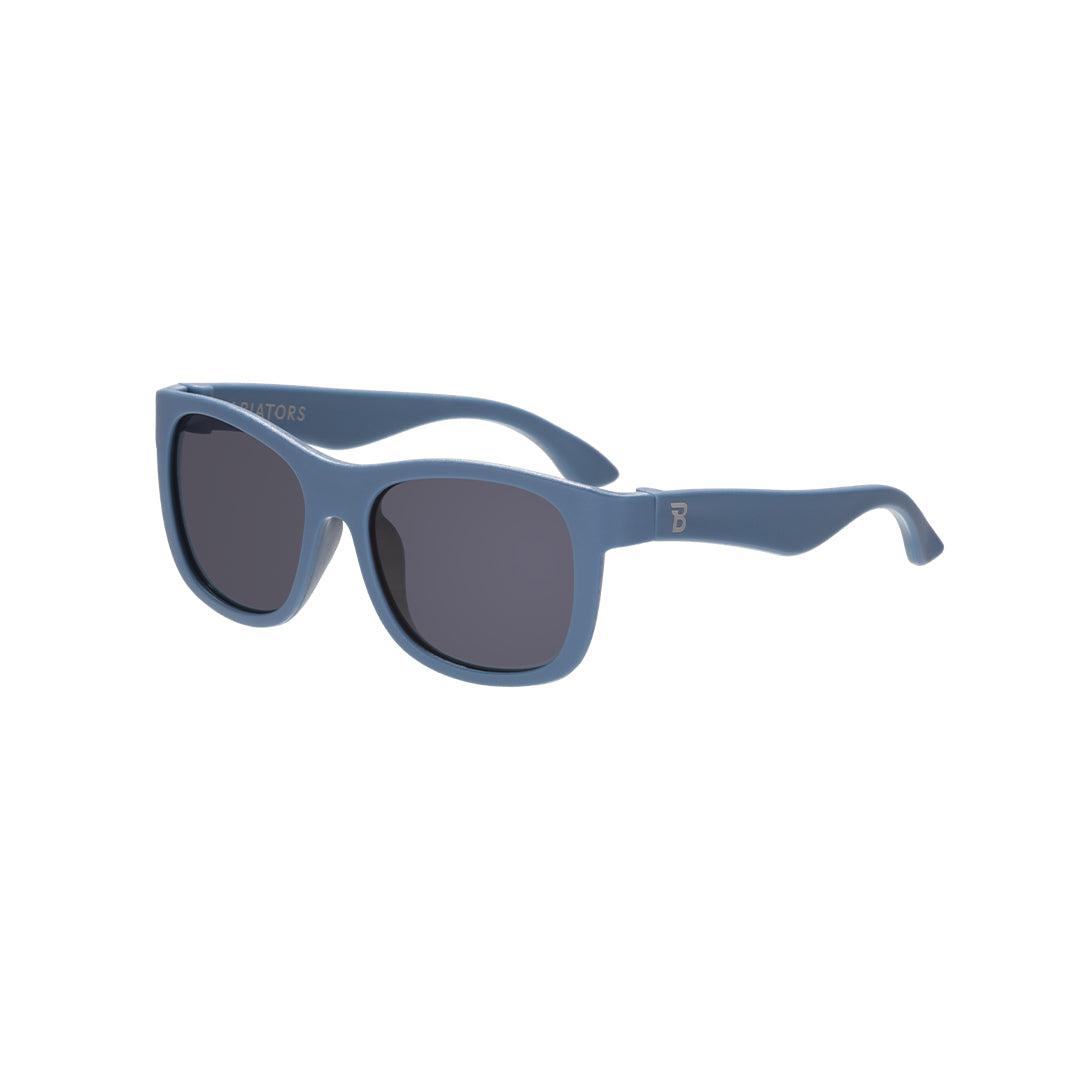
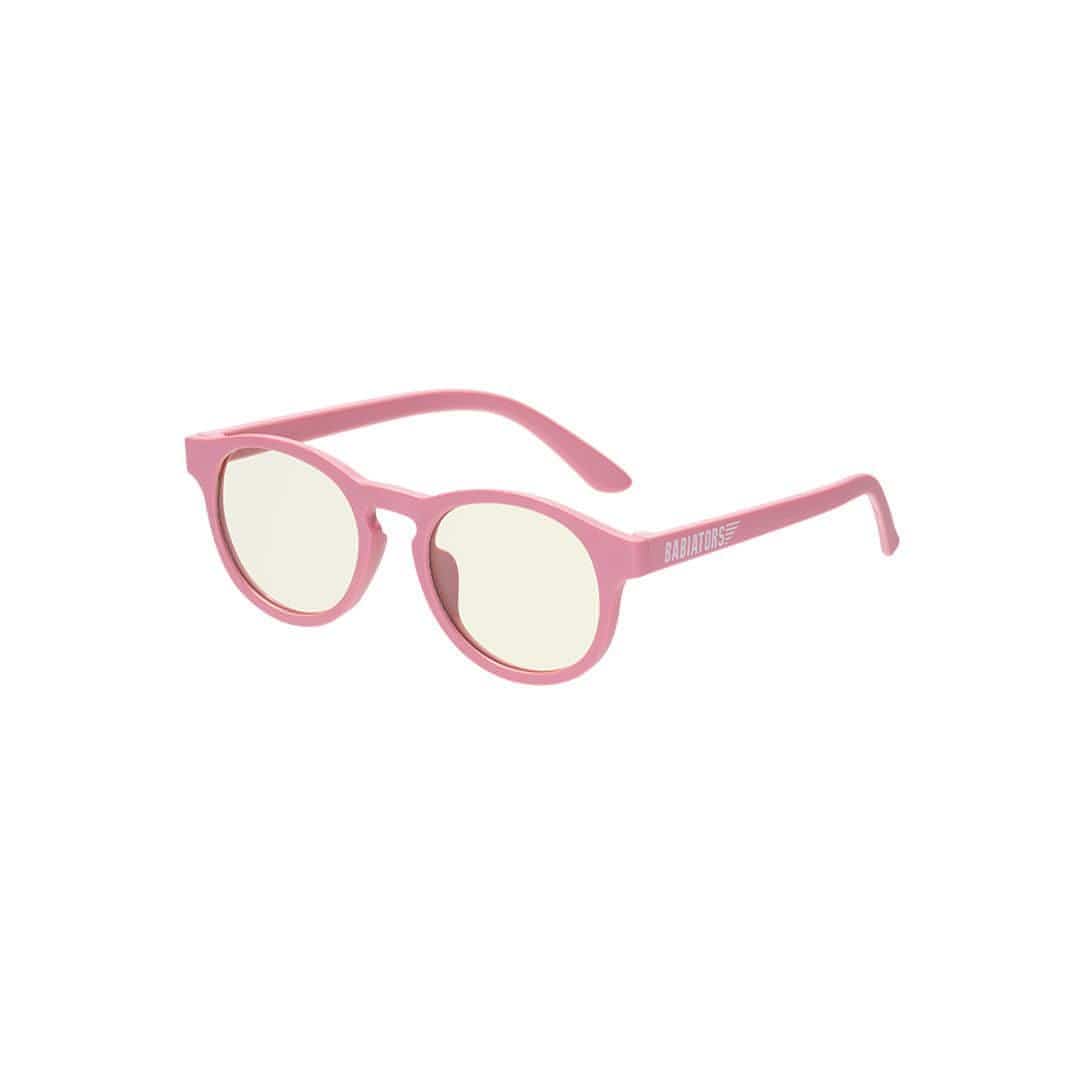
Some children like a classic aviator-inspired look. Others go for rounded frames, playful heart shapes or bold colours that feel fun and cheerful against winter gear. The good news is that you do not have to choose between style and protection. The best kids’ sunglasses combine both, so parents get peace of mind and little ones get a pair they are excited to wear.
For holidays, darker shades and versatile colours tend to be practical because they work with everything. But if a bright pair makes your child grin and ask to put them on, that is practical too.
Durability is not a bonus. It is the point.
Ski trips are hard on accessories. Glasses get dropped onto hard flooring in cafés, bent while being stuffed into pockets and handled with freezing fingers. With young children, breakage is not bad behaviour. It is normal life.
That is why virtually indestructible design is such a big deal for parents. You do not want to be replacing sunglasses halfway through a holiday because one tumble off a chair finished them off. Strong, flexible materials remove some of the drama from travelling with kids, and that matters more than ever when you are already juggling gloves, helmets, snacks and spare socks.
This is also where a proper replacement promise can give parents extra confidence. Babiators UK, for example, backs many families’ favourite pairs with its Awesome Guarantee, replacing broken sunglasses free for one year. That kind of reassurance takes the risk out of buying better protection for active children.
How to pack and use them on holiday
Even the best sunglasses only help if they are within reach. Keep one pair in the ski jacket pocket, changing bag or buggy organiser rather than buried in the main suitcase. Mountain weather changes quickly, and you want them ready the moment the clouds clear.
It also helps to build them into the routine. Coat, hat, gloves, sunglasses. Kids respond well to repetition, especially when getting out the door is already chaotic. If your child is very young, putting sunglasses on before stepping into bright snow can stop that instant shocked squint.
A soft pouch is useful for travel, but do not overcomplicate it. Parents need simple systems that work when everyone is wearing layers and trying to get out for ski school on time.
A quick check before you buy
Before adding any pair to your basket, look for a few basics. Confirm 100% UV protection, check the size range carefully and think about where your child will wear them most. If your trip includes lots of strolling, sledging and lunch stops in bright snow, sunglasses are a solid essential. If your child is skiing all day, they may need goggles as the main event and sunglasses as backup for everything around it.
Then think about your child, not just the product description. Are they rough on their things? Go durable. Are they fussy about how frames feel? Choose lightweight comfort. Do they only wear what they love the look of? Let them pick a style with some personality.
The right pair does not just protect their eyes. It removes one more holiday hassle, helps them stay comfortable outdoors and gives you a better chance of hearing, “Can we go out again?” instead of “It’s too bright.” And on a family ski trip, that feels like a win worth packing for.
 Volver a Blog


