










Kids Sunglasses for Car Journeys That Work
The meltdown often starts somewhere between the second snack request and the first burst of low afternoon sun. One minute your child is happily looking out the window, the next they are squinting, rubbing their eyes and refusing to sit back. That is exactly why kids sunglasses for car journeys are not just a summer extra. They can make a real difference to comfort, mood and eye protection on the road.
Car travel creates its own kind of glare. Sunlight can hit through side windows at an awkward angle, bounce off other cars, and reflect from wet roads, pale pavements or even winter frost. For babies, toddlers and younger children who cannot always explain what feels wrong, that brightness can quickly turn a smooth drive into a noisy one. The right sunglasses help take the edge off.
Why kids need sunglasses in the car
Most parents think about sunglasses at the beach or in the park, but a car seat puts children in a fixed position with very little control over the light around them. Adults can shift their posture, flip down a visor or choose a different angle. Children usually cannot. If the sun lands directly in their line of sight, they are stuck with it until the car turns or the weather changes.
That matters because children’s eyes are still developing. Good sunglasses are not only about reducing brightness. They are about proper UV protection too. If you are driving on a bright day, especially for an hour or more, your child’s eyes may be getting repeated exposure through the side window. The experience can be uncomfortable in the moment and it is exactly the kind of everyday sun exposure parents often overlook.
There is also the practical side. A child who is less bothered by glare is more likely to stay settled, look at books, nap or simply enjoy the ride. On long journeys, that is a big win for everyone in the car.
What to look for in kids sunglasses for car journeys
The first thing is simple - choose sunglasses with 100% UV protection. Dark lenses on their own are not enough. If a lens looks tinted but does not block UV properly, it can actually be a poor choice because the darker view may encourage the pupil to open wider.
After that, think about glare. Polarised lenses can be especially helpful for car journeys because they reduce reflected glare from roads, windows and shiny surfaces. If your child gets particularly bothered by bright flashes of light while travelling, polarised lenses are worth considering.
Fit matters just as much as lens quality. Sunglasses that slide down a nose, pinch behind the ears or feel too heavy will not stay on for long. A good pair should feel secure without being tight, and the size should match your child’s age and face shape as closely as possible. Parents often try to buy bigger so a pair lasts longer, but oversized sunglasses tend to shift around in the car seat and let in more light from the sides.
Durability is another big one. Car journeys involve a lot of dropping, twisting, standing on and launching sunglasses onto the floor. Frames made for adults rarely survive that treatment. Children need sunglasses built to handle real life, not just a quick photo stop.
Polarised or non-polarised - which is better?
This is where it depends on your child and your typical journeys. If you regularly drive in bright conditions, head off on summer holidays, or spend time on motorways where reflected light can feel relentless, polarised lenses are often the most comfortable option. They can make the whole visual experience calmer.
For shorter local trips, school runs or cloudier days, non-polarised sunglasses with full UV protection can still do the job well. Some children are less sensitive to glare than others, and some parents prefer to keep one everyday pair for all-purpose use.
There is no need to overcomplicate it. If glare is the issue, go polarised. If your priority is reliable UV protection and a sturdy first pair, a standard lens can still be a strong choice.
The features parents appreciate most on the road
When you are buying for car travel, little details matter. Lightweight frames are easier for younger children to tolerate, especially if they are wearing them for a full afternoon drive. Flexible materials help when the sunglasses get bent or shoved into a changing bag. Soft, smooth edges feel better for babies and toddlers who are still getting used to accessories on their face.
Style plays a role too, and it is not just about cute photos. Children are more likely to keep sunglasses on if they actually like wearing them. A fun shape, a favourite colour or a frame that makes them feel grown-up can turn a daily battle into something much easier. That is why age-appropriate sizing and playful designs work so well together.
For many families, a replacement guarantee is part of the decision. Kids lose things. They snap things. They test the limits of nearly everything. Having backup reassurance takes a lot of pressure off the purchase.
Helping babies and toddlers keep them on
Not every child puts on sunglasses and instantly accepts them. Some do. Many do not. The trick is to make them feel normal before a longer journey.
Start with short bursts at home or in the pushchair. Let your child wear them for a few minutes at a time so the sensation is familiar. Keep the mood light. If they pull them off straight away, that does not mean the sunglasses are wrong. It usually just means they need a bit of practice.
Timing helps as well. Put sunglasses on before the sun becomes a problem, not after your child is already tired and cross. If they associate them with comfort rather than correction, you are off to a better start.
For babies, fit is everything. Frames need to be gentle, secure and sized properly for very small faces. For toddlers, independence matters more. If they can help choose the pair or put them on themselves, you may get much better cooperation.
Common mistakes when buying kids sunglasses for car journeys
The most common one is choosing based on looks alone. Style matters, but protection comes first. Always check for full UV protection.
The second is assuming all dark lenses are protective. They are not. A fashionable tint is not the same thing as a properly protective lens.
Another mistake is buying cheap pairs over and over because they seem disposable. In practice, flimsy sunglasses often create more hassle. They break faster, fit worse and are more likely to be rejected by children. A well-made pair can save money and stress over time.
Parents also sometimes forget that cloudy days can still be bright in the car. Light reflects in all sorts of ways, especially through glass and on pale roads. If your child is squinting, sunglasses may still help even when the weather looks mixed.
Choosing the right pair for your child
A baby on a rear-facing seat, a toddler who loves throwing things, and a six-year-old who wants a cool frame all need slightly different solutions. That is why shopping by age, fit and lens type makes life easier.
If your child is very young, prioritise comfort, softness and a secure fit. If they are in the 3 to 5 stage, focus on durability and a shape they will actually enjoy wearing. For older children, style starts to matter more, but they still need proper protection and child-proof strength.
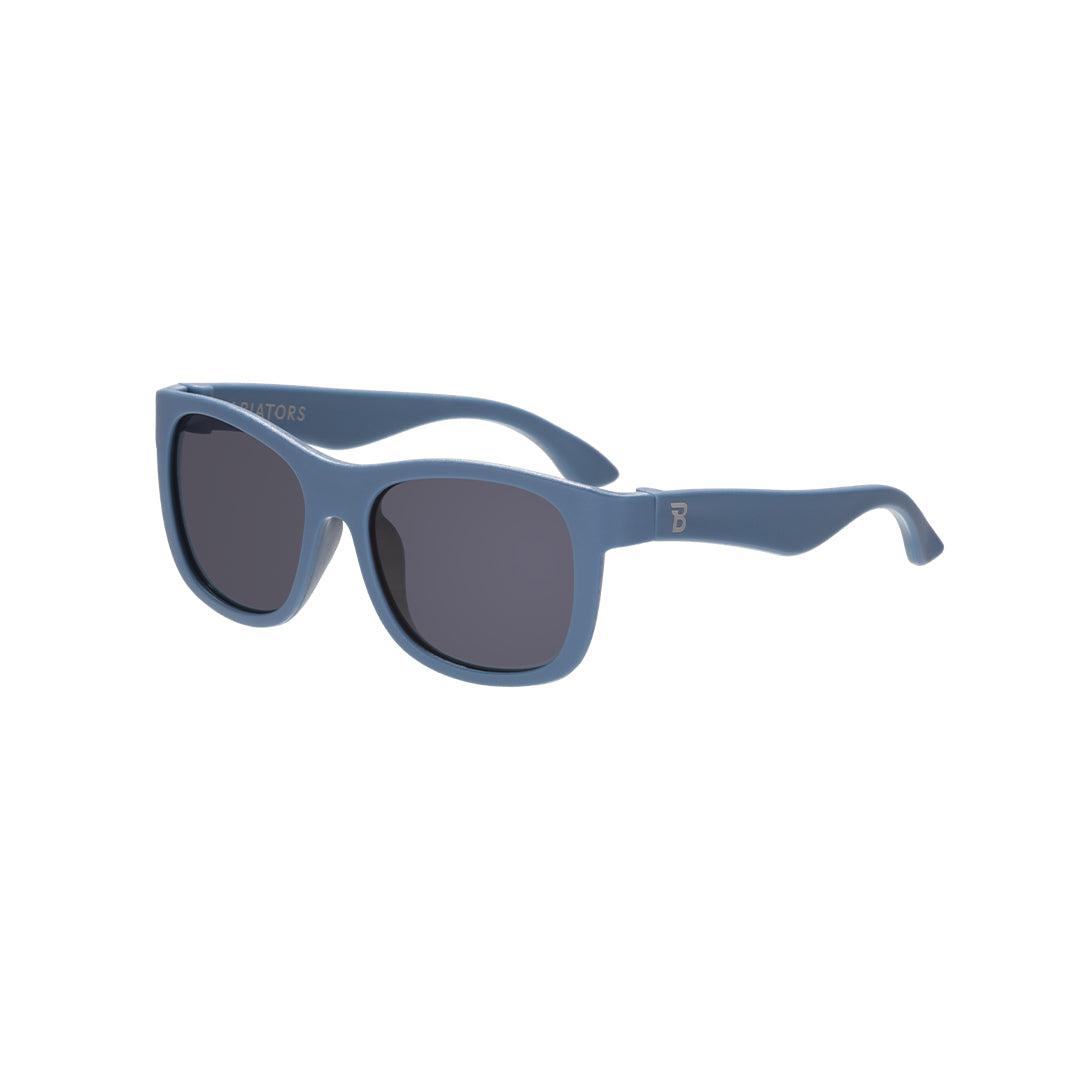
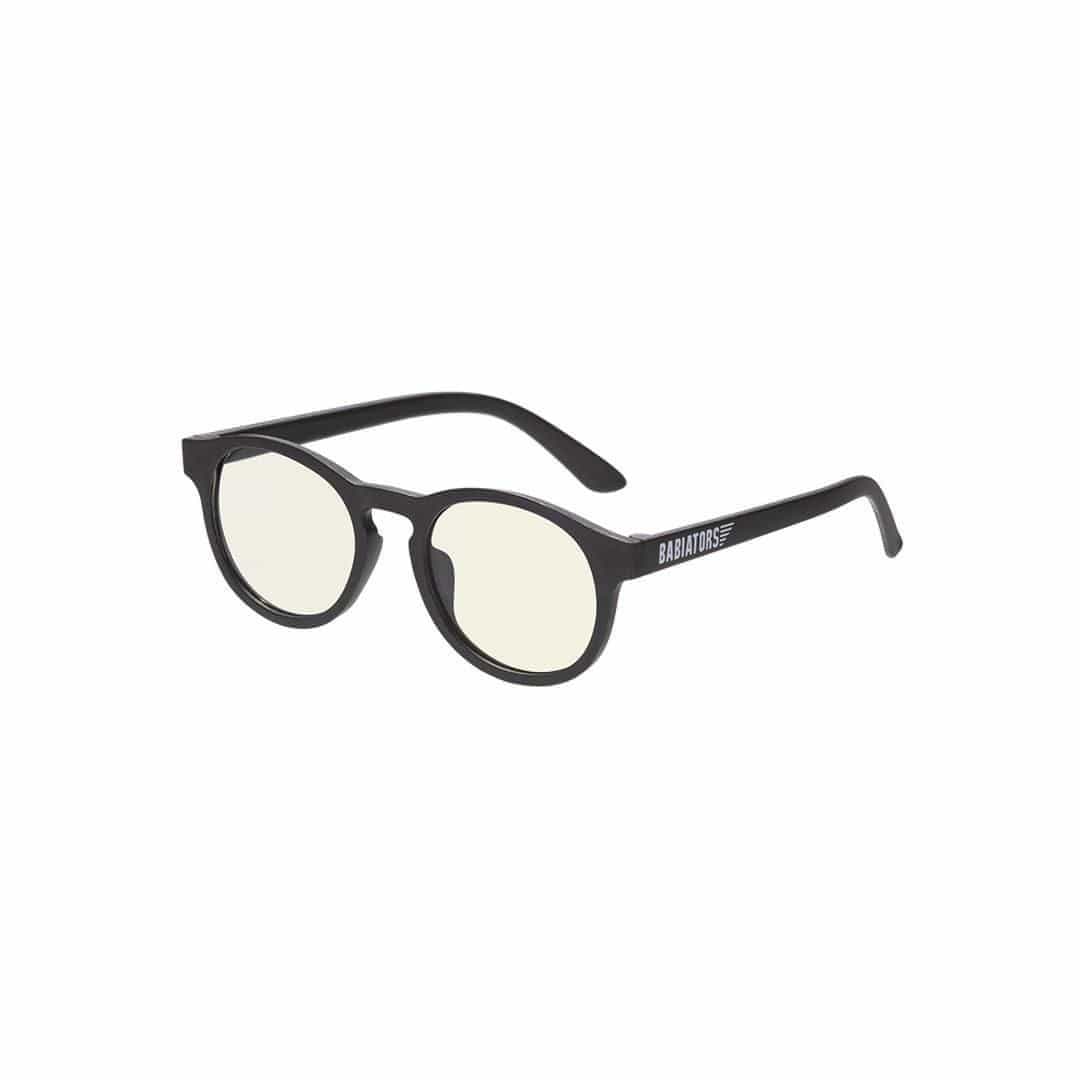
This is where specialist children’s eyewear stands apart. Brands built around little faces, tough frames and clear sun-safety standards understand what families are dealing with. At Babiators UK, that means bold style, 100% UV protection and frames made for real kid behaviour, not ideal behaviour.
A calmer journey starts before the engine does
Packing snacks and charging tablets gets all the attention, but sun comfort deserves a place on the checklist too. A good pair of sunglasses can help prevent squinting, eye rubbing and that creeping travel grumpiness that arrives when the sun will not leave your child alone.
If you are choosing kids sunglasses for car journeys, go for a pair that protects properly, fits well and can survive family life. The best pair is not the one that looks good in the glovebox. It is the one your child will happily wear when the sun hits the window and the road ahead is still another hour away.
 Volver a Blog

