










How to Stop Sunglasses Slipping on Kids
You push their sunglasses back up. Two minutes later, they are halfway down their nose again. If you are wondering how to stop sunglasses slipping, the answer is usually not one magic trick - it is a mix of fit, frame shape, material and how active your child is being that day.
For babies, toddlers and older children, slipping sunglasses are more than a small annoyance. If frames keep sliding, kids are more likely to pull them off, chew the arms, toss them in the buggy or refuse to wear them altogether. That means less sun protection right when they need it most. The good news is that a better fit can make a huge difference, and in many cases the fix is simpler than parents expect.
Why kids' sunglasses slip in the first place
Most slipping starts with size. If the frame is too wide, it will not grip gently at the sides of the head, so it slides forward with every step, wriggle and snack stop. If the bridge area is too roomy, the sunglasses do not have enough contact with the nose to stay in place.
Kids also have different facial proportions from adults. Babies and toddlers tend to have smaller nose bridges and rounder cheeks, which can make standard frames sit awkwardly. Add sun cream, sweat, seaside moisture or a full-speed run around the park, and even decent sunglasses can start to move.
Material matters too. Some frames are smooth and rigid, which can feel lightweight but may not stay put as well on active children. Flexible, child-friendly materials often help because they sit more comfortably and cope better with movement. The aim is not a tight squeeze. It is a secure, comfortable fit that your child forgets they are wearing.
How to stop sunglasses slipping with the right fit
The first thing to check is whether the size matches your child's age and stage. Age guidance is a useful starting point, especially when shopping online, but it is not the whole story. Some children have narrower faces, some have fuller cheeks, and some sit right between sizes.
A good fit should feel snug without leaving deep marks. The sunglasses should sit straight across the face, not tilt forward, and the arms should rest neatly over the ears without pushing outward. If your child looks down and the frames immediately slide, they are probably too wide or too heavy for their face.
This is where clear age-based sizing really helps. Frames designed specifically for 0-2, 3-5 and 6+ fit far better than guesswork sizes or mini versions of adult styles. Parents often try to buy a size up so their child can grow into them, but with sunglasses that usually backfires. A too-big pair is more likely to slip, get pulled off and spend the summer at the bottom of a changing bag.
Signs the sunglasses are too big
You can usually spot an oversized pair quickly. The front may sit too low on the nose, the arms may stick out from the sides of the head, or the lenses may rest against the cheeks every time your child smiles. If the frames bounce when they walk, the fit is off.
Too-small sunglasses can cause problems too. They may pinch, leave pressure marks or feel uncomfortable enough that your child keeps tugging at them. When that happens, parents sometimes assume the child simply hates wearing sunglasses. Often, they just hate wearing the wrong pair.
Frame shape can make a bigger difference than you think
Not every frame shape suits every child in the same way. Some styles naturally sit more securely on smaller faces, while others may feel looser depending on the width, bridge shape and arm position.
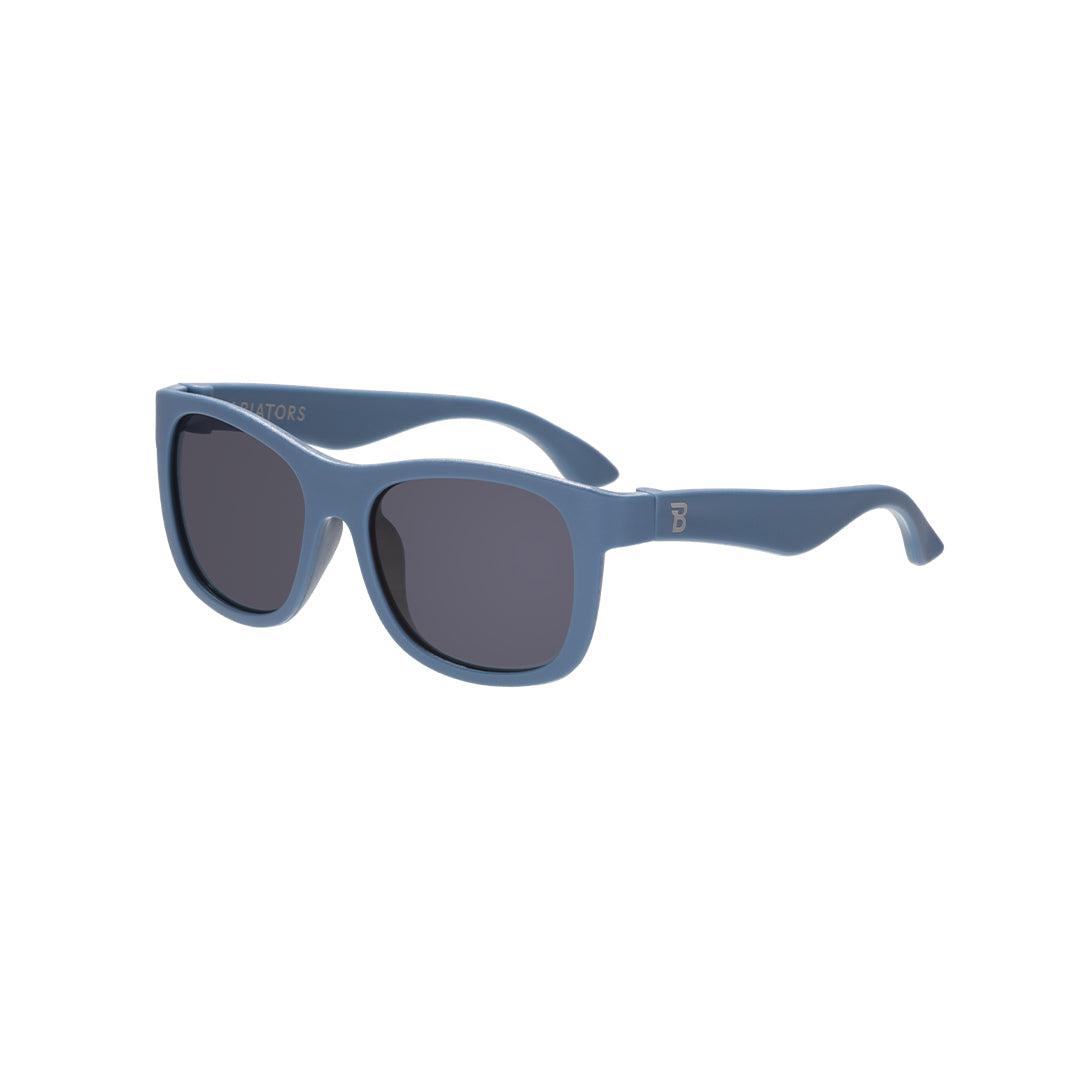
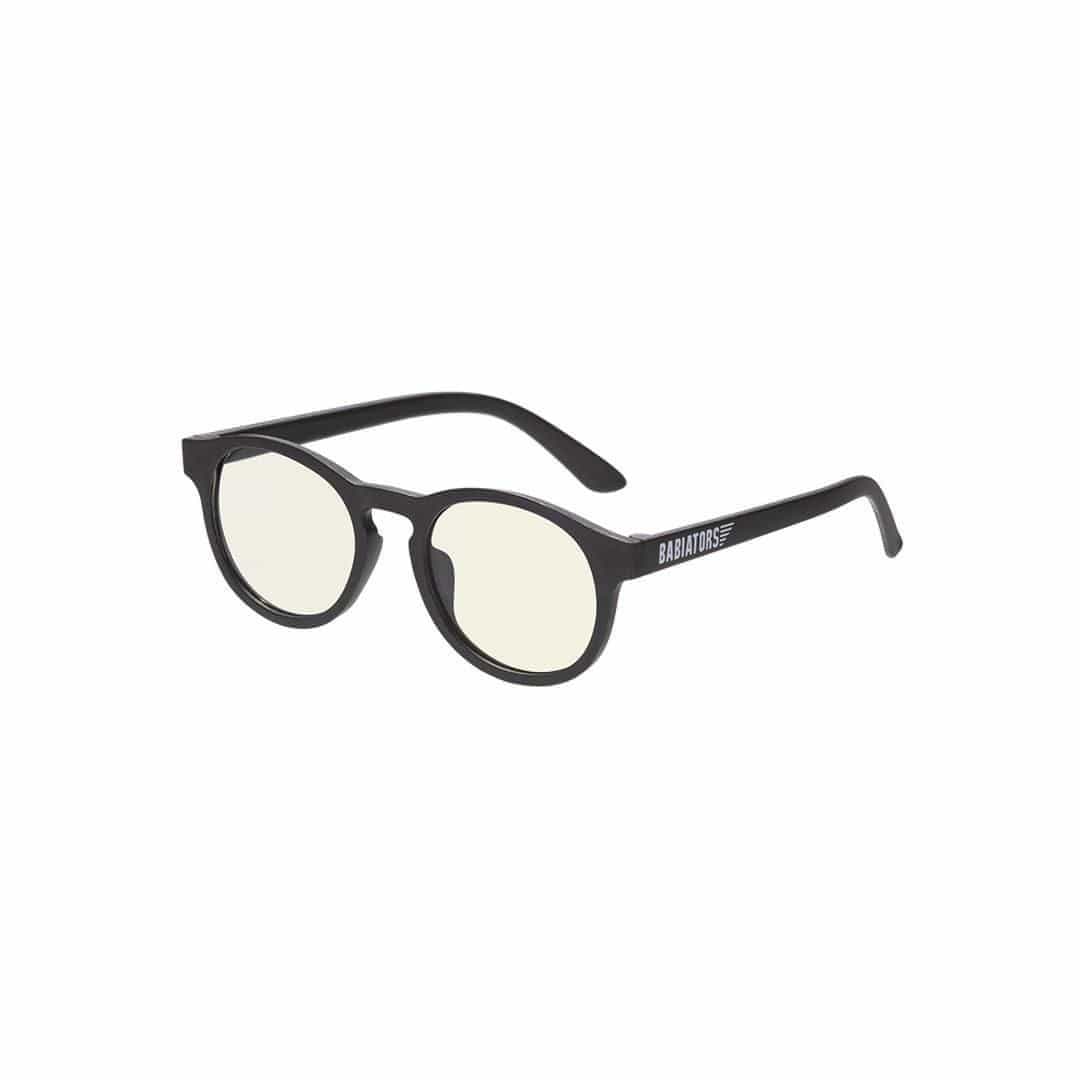
Rounder or more contoured styles can work brilliantly for some children because they follow the face more closely. Sportier shapes may feel more stable for active kids who are constantly on the move. If your child has fuller cheeks, you may need a shape that sits slightly higher and avoids rubbing. If they have a narrower face, slimmer styles can help reduce side gaps.
This is one of those it-depends moments. The cutest shape is not always the easiest fit, and the best fit is not always the same from one child to the next. The sweet spot is a frame your child loves wearing that also stays put during real life - buggy rides, garden play, paddling pools and everything in between.
Materials and grip matter on busy days
Soft, flexible frames are often easier for children to wear because they move with them rather than against them. They are also better at handling all the dropping, bending and general chaos that comes with family life. That flexibility can help create a more secure fit around the temples and ears, which reduces slipping.
Grip becomes even more important in warm weather. Sun cream on the nose, sweaty skin and wet hair after swimming can all make sunglasses slide faster. A lightweight frame with a comfortable hold usually performs better than one that feels slippery before the day has even started.
For parents, this is where durability and fit meet. There is no point finding sunglasses that stay in place if they snap the first time they are sat on. Equally, a very tough frame still needs to fit properly to protect your child's eyes. The best pairs do both.
Simple ways to keep sunglasses from sliding
If the sunglasses are broadly the right size but still slipping a little, a few small adjustments can help. First, clean the nose area and frame regularly. A build-up of sun cream and everyday grime makes frames more slippery than most people realise.
Second, check how the arms sit. They should follow the line of your child's head comfortably. If they are flaring outward, the fit is likely too wide. If they press in sharply, try a different size or shape.
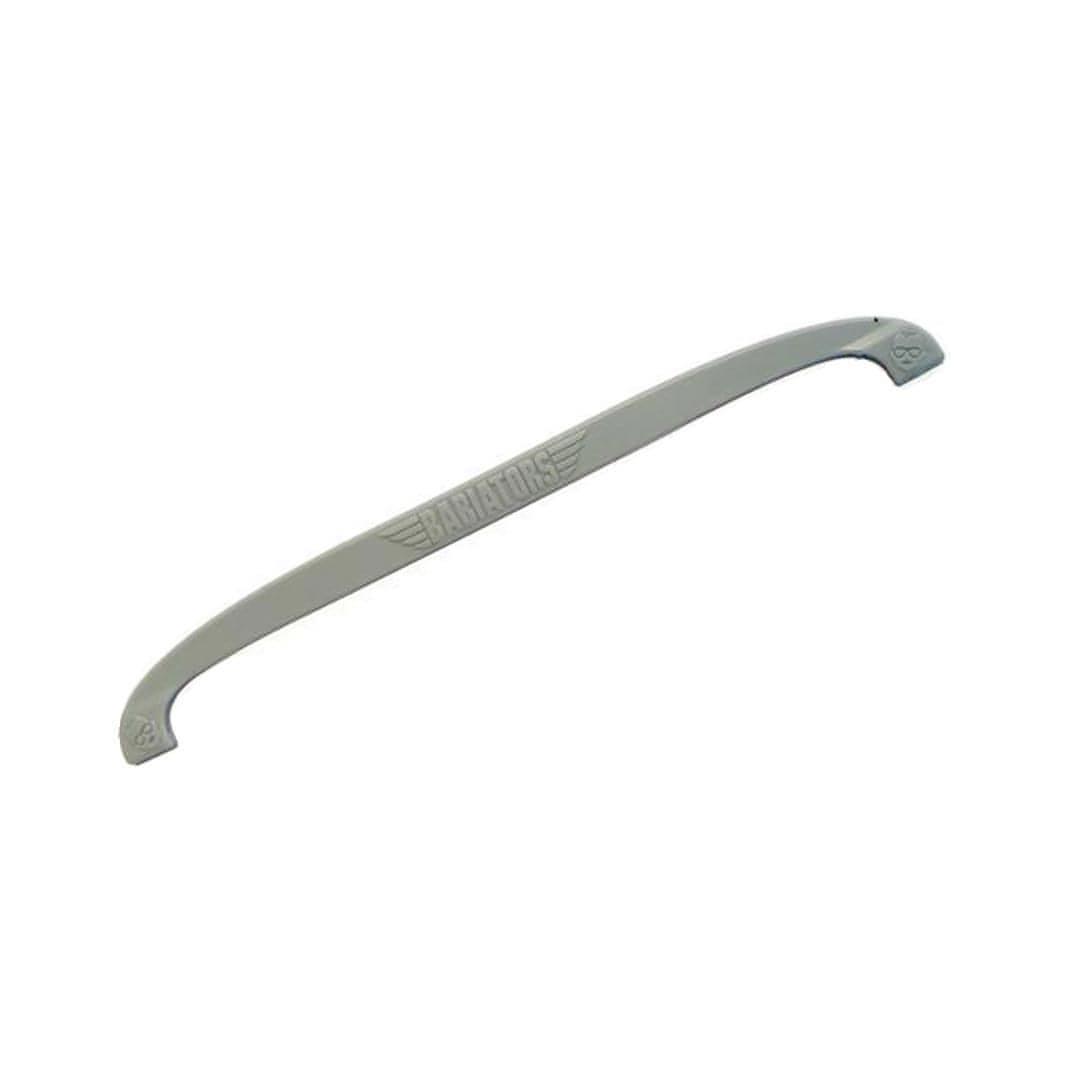
For younger children, a retaining strap can be helpful in certain situations, especially on the beach, on a bike seat or during holidays when sunglasses are on and off all day. It is not always necessary for everyday wear, but it can be a useful extra for very active little ones or children still getting used to sunglasses.
Finally, think about timing. Putting sunglasses on a hot, wriggly child after they have already had sun cream rubbed everywhere is harder than putting them on before they start running around. Sometimes the best fix is simply getting ahead of the chaos.
How to stop sunglasses slipping on babies and toddlers
Babies and toddlers need a slightly different approach because comfort decides everything. If a pair feels awkward, heavy or wobbly, it is coming off immediately. Lightweight frames, gentle flexibility and a close fit are the real heroes here.
For babies, keep an eye on the bridge fit and overall width. Because their features are smaller and softer, oversized frames slip very easily. For toddlers, movement becomes the bigger challenge. They are climbing, crawling, running and generally testing gravity all day, so the sunglasses need to stay secure without feeling restrictive.
This is exactly why purpose-built children's eyewear matters. Brands such as Babiators UK design around how kids actually move, not how adults think they should sit still. That means sizing and materials made for real family life, with 100% UV protection as the non-negotiable.
When to replace rather than keep adjusting
Sometimes the honest answer is that the sunglasses are just not the right pair for your child. If you are constantly pushing them up, your child keeps taking them off, or they leave marks while still slipping, stop battling with the wrong fit.
A better size or different frame shape is often the faster, cheaper solution in the long run. It also means your child is more likely to keep them on, which is what really counts. Great sunglasses cannot protect eyes if they are living in the cup holder of the pushchair.
When you are choosing a new pair, think beyond looks alone. Start with the right age bracket, consider your child's face shape, and choose frames built for active wear. If your child is especially rough on eyewear, durability deserves just as much attention as fit.
Helping sunglasses stay put is really about making sun safety easy. When the fit is right, children fuss less, parents adjust less and everyone gets on with the fun stuff - park trips, beach days and sunny walks home from nursery. A pair that stays on comfortably is not just more practical. It gives your child one less reason to miss out on the protection their eyes need.
 Volver a Blog

