










How to Protect Childrens Eyes Every Day
A toddler who refuses a sunhat, a buggy pointed straight at the midday glare, a child squinting on the beach five minutes after arriving - this is usually when parents start asking how to protect children's eyes in real life, not just in theory. The good news is that eye protection does not need to be complicated. A few smart habits make a big difference, especially when they start early.
Children’s eyes are more vulnerable to UV than many parents realise. Their lenses are clearer than adult lenses, which means more ultraviolet light can reach deeper into the eye. Add long hours outside in the garden, at the park, on holiday or on the ski slopes, and the exposure builds up quickly. That does not mean children should avoid sunshine. It means their sun safety needs to keep up with their energy.
Why learning how to protect children's eyes matters early
Skin tends to get the attention because sunburn is obvious. Eyes are different. UV damage is harder to spot in the moment, but that does not make it less serious. Repeated exposure over time can contribute to long-term eye health issues, and children often get more daylight exposure than adults simply because they spend more time outdoors.
That is why eye protection should start before school age and continue as a normal part of getting dressed for sunny weather. Think of sunglasses in the same way you think of sun cream - not as an optional extra, but as basic kit.
There is also the comfort factor. Bright light can leave children blinking, rubbing their eyes, turning away from activities or getting grumpy fast. Good protection helps them see more comfortably, which usually means happier outdoor play and fewer battles once you are out the door.
The simplest way to protect children's eyes outdoors
If you want the shortest answer to how to protect children's eyes, it is this: combine shade, hats and proper sunglasses with 100% UV protection. That combination covers far more than any single step on its own.
Shade matters most during the brightest part of the day, usually late morning to mid-afternoon. A pram hood, parasol, tree cover or shaded seating area can cut direct exposure, although reflected light still bounces off sand, water, pavement and snow. That is where hats and sunglasses come in.
A wide-brimmed hat or cap helps reduce overhead glare, but it does not fully protect the eyes from UV entering from the sides or reflecting up from below. Sunglasses are the part many parents leave too late, either because they assume young children will not wear them or because they have bought flimsy pairs that did not survive the week.
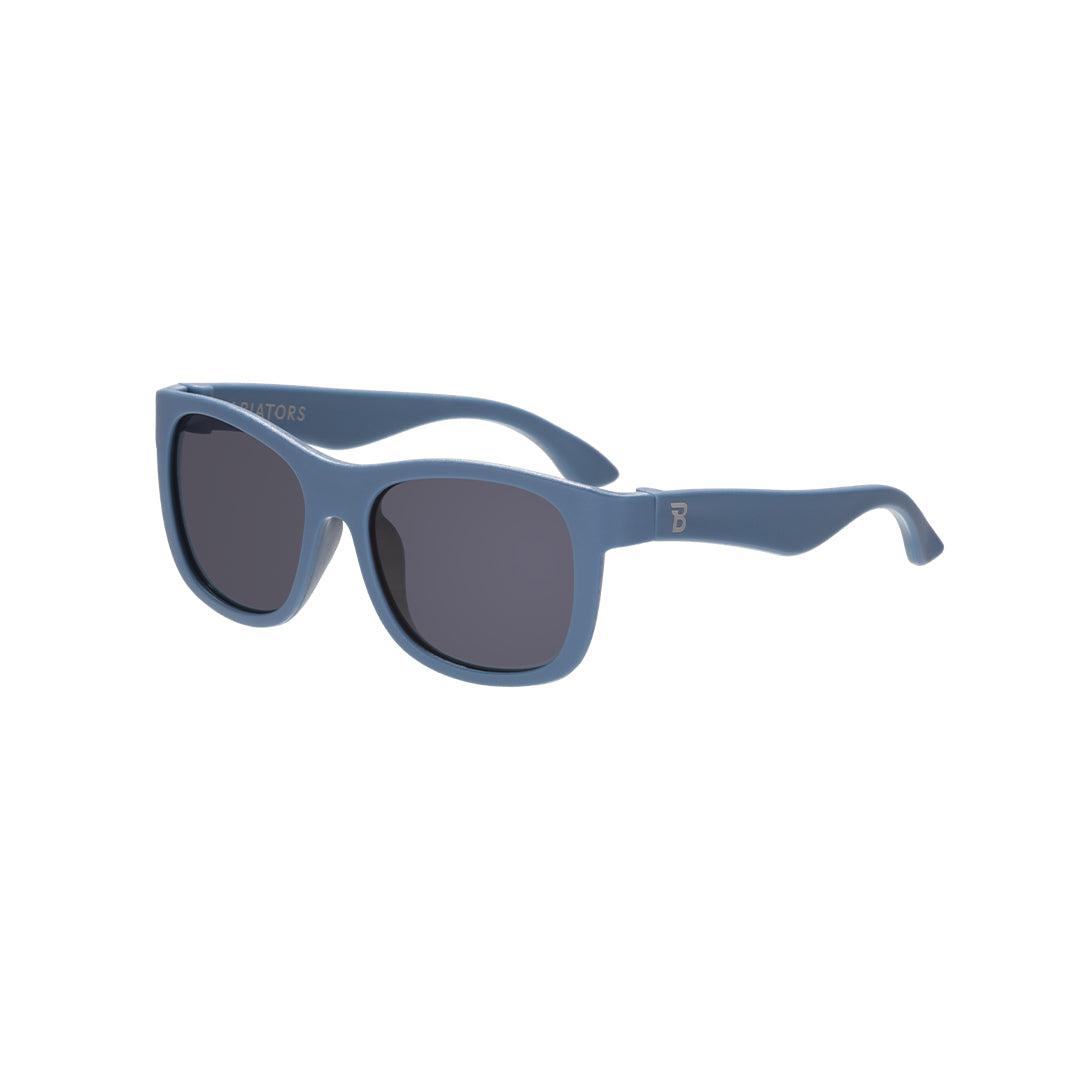
For children, the practical details matter. Frames need to fit well, stay put and cope with bending, dropping and being sat on. Lenses need proper UV protection, not just a dark tint. Dark lenses without UV protection are a bad trade-off because they can cause the pupil to widen, allowing even more harmful rays in.
What to look for in children’s sunglasses
Not all kids’ sunglasses are created equal. If you are buying for a baby, toddler or older child, start with protection first and style second - then get both if you can.
Look for labels that clearly state 100% UV protection or UV400. That tells you the lenses are designed to block UVA and UVB rays. After that, fit becomes the next priority. Sunglasses that pinch, slide down or feel heavy rarely stay on for long, and parents end up assuming their child “just won’t wear sunglasses” when the real issue is comfort.
Durability also matters more than most adult shoppers expect. Children test products properly. They twist frames, throw them into changing bags and wear them upside down with complete confidence. If the sunglasses cannot handle normal kid behaviour, they become another disposable purchase. That is why many parents now look for flexible, child-proof frames and a replacement guarantee that takes the stress out of everyday wear.
Polarised lenses can be helpful too, especially around water, on bright pavement or on snow, because they cut glare and improve visual comfort. They are not essential for every child in every situation, but they are useful if your family spends lots of time by the sea, travelling, boating or skiing.
How to protect children's eyes in different seasons
Summer gets all the attention, but UV exposure is not a one-season problem. British weather can be misleading. Cool air and patchy cloud often make sunshine feel weaker than it is.
Spring and summer
This is when sun safety is easiest to remember because the light feels strong and outdoor time increases. Keep sunglasses near the front door, in the buggy basket or packed with sun cream so they become part of the routine. If you wait until you are already at the beach or playground, chances are they have been left behind.
Autumn and winter
Lower temperatures do not mean lower risk. Bright winter sun can still be harsh, especially when it sits lower in the sky. It is often right at a child's eye level during buggy walks, school runs and weekend outings.
Snow holidays
Snow reflects a huge amount of UV light, which can make mountain conditions particularly intense for children’s eyes. On ski trips, sunglasses or goggles are not optional extras. They are essential. Even children who do not usually wear sunglasses happily in the UK may need stronger protection in alpine conditions because the brightness is so obvious.
Screens and indoor habits count too
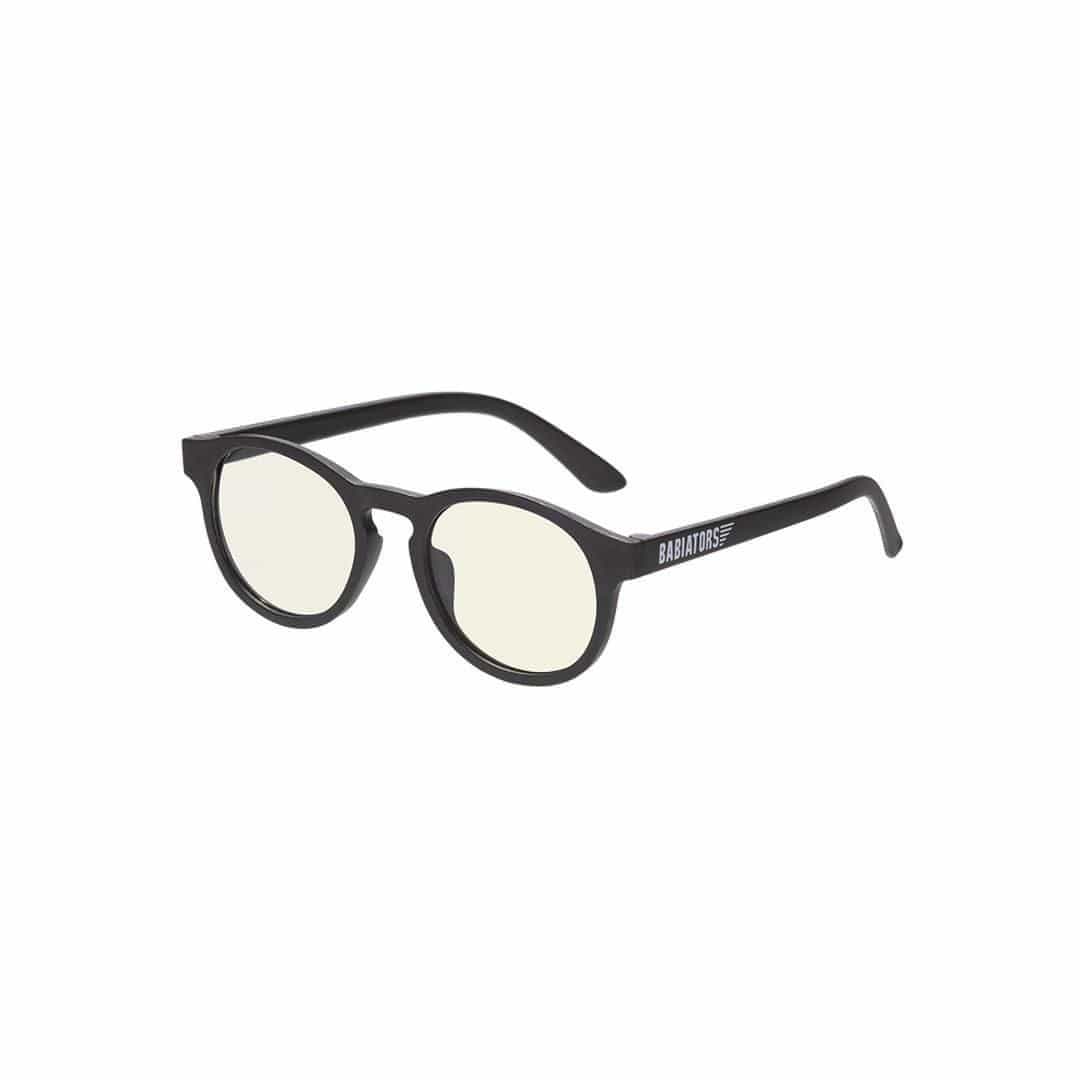
Parents asking how to protect children's eyes are often thinking about sunshine, but screens deserve a place in the conversation as well. Screens do not expose children to UV in the same way the sun does, but they can contribute to eye strain, tiredness and reduced blinking, especially during long stretches of cartoons, games or tablet time.
The answer here is balance rather than panic. Encourage regular breaks, more outdoor play and enough distance between your child and the screen. If a child is holding a device very close, rubbing their eyes often or complaining of headaches, it is worth paying attention.
Sleep matters too. Evening screen use can interfere with winding down, which affects overall comfort and routine. For younger children especially, simple limits usually work better than overcomplicated rules.
Signs your child may need an eye check
Sun protection is one part of eye care. Routine awareness is the other. If your child frequently squints, sits very close to the television, tilts their head, avoids bright light more than usual or seems unusually clumsy, book an eye test. The same goes for persistent watering, rubbing or complaints that things look blurry.
It depends on age, of course. Babies and toddlers cannot always tell you what feels wrong, so parents often need to spot the patterns first. Trust your instincts. If something looks off, it is worth getting checked.
Making sunglasses a habit, not a battle
This is where many parents get stuck. The sunglasses are perfect. The child removes them in eight seconds. Normal.
Start small and stay consistent. Put sunglasses on at the same moments each time - when getting into the buggy, walking to the park or arriving at the beach. Children respond well to routine, and repeated use helps sunglasses feel normal rather than negotiable.
Letting children choose a shape or colour they love can help too. Some will go for hearts or flowers, others want something that looks like Mum’s or Dad’s. When protection meets personality, you usually get less resistance.
For babies and younger toddlers, timing matters. Put sunglasses on before they are already overwhelmed by heat, light or hunger. A calm child is far more likely to tolerate something new than a tired one at the end of a long day out.
Small daily choices make the biggest difference
The best advice on how to protect children's eyes is rarely dramatic. It is the ordinary stuff repeated often - proper sunglasses, a good hat, sensible shade, screen breaks and paying attention when your child’s eyes seem uncomfortable. None of it needs to be perfect. It just needs to be consistent enough to protect them through all the bright, busy, outdoorsy moments childhood is made of.
At Babiators UK, we call that raising your sun safety. And once it becomes part of your family routine, it feels less like another job and more like second nature.
If you are choosing eye protection for your child, aim for something they will actually wear, actually keep on and actually need - because the best sun safety habit is the one that survives real life.
 Volver a Blog

