










8 childrens sunglasses benefits parents should know
A sunny buggy walk can feel harmless until your little one starts squinting, rubbing their eyes, or turning away from the glare. That is where the real children’s sunglasses benefits become clear. Good kids’ sunglasses are not just a cute extra for beach days and holidays - they are everyday protection for young eyes that are still developing.
Parents usually know to pack sun cream and a hat. Eye protection often comes later, if it comes at all. The trouble is that children spend plenty of time outdoors, and their eyes can be more vulnerable to UV exposure than adult eyes. Add bright glare, wind, sand, water, and the usual rough-and-tumble treatment, and suddenly sunglasses stop feeling optional.
Why childrens sunglasses benefits matter early on
Children’s eyes let in more light than adult eyes do. In simple terms, the structures inside the eye are still developing, so more ultraviolet rays can reach deeper into the eye. That does not mean every sunny trip to the park is a crisis. It does mean repeated exposure adds up over time, especially for babies, toddlers, and children who are outside often.
This is why proper UV protection matters from an early age. A quality pair of children’s sunglasses with 100% UVA and UVB protection helps shield young eyes during everyday outdoor moments - walking to nursery, scooting in the garden, sitting in the pushchair, or playing on holiday. Sun safety is not only for the hottest day of the year. Bright light can be intense in spring, at the seaside, in the mountains, and even on cloudy days.
There is also the comfort factor. Kids who are bothered by glare often get fussy before adults realise what is wrong. If your child pulls a hat down over their face, keeps blinking in bright light, or refuses to look up outdoors, sunglasses can make outside time much easier.
The biggest benefits of children’s sunglasses
The first and most obvious benefit is UV protection. Long-term UV exposure is linked with eye damage later in life, so reducing that exposure in childhood is a smart move. Think of it the same way many parents now think about SPF - it is part of a good routine, not a special-occasion product.
The second benefit is less glare. This can make a big difference near water, on pale pavements, on snowy holidays, or in the car. Polarised lenses can be especially helpful here because they cut harsh reflected glare. That said, not every family needs polarised lenses for every situation. If your child mainly wears sunglasses for general play in the garden or on nursery walks, full UV protection is still the first box to tick.
Another benefit is comfort and confidence outdoors. Children are far more likely to enjoy being outside when they are not squinting into bright sunlight. They can see more clearly, move more confidently, and focus better on what they are doing. For older toddlers and children, that can mean better comfort on bikes, scooters, and playground adventures. For babies, it can mean less irritation and fewer tears on bright days.
Then there is the habit-building benefit. When sun-safe routines start early, they feel normal. A child who grows up putting on a hat and sunglasses before heading out is much more likely to keep doing it as they get older. That is a small win now and a very useful one later.
Not all kids’ sunglasses do the same job
This is where many parents get caught out. Dark lenses do not automatically mean proper protection. If the sunglasses do not offer 100% UVA and UVB protection, dark tint alone is not enough. In fact, it can be worse than no sunglasses at all because the eye may open wider behind the darker lens, letting in more harmful rays.
Fit matters too. Sunglasses that slide down, pinch behind the ears, or fall off every five minutes usually end up abandoned in the changing bag. Children need lightweight frames that sit securely and comfortably without feeling stiff or fragile.
Durability is another big factor. Kids bend things, drop things, sit on things, and occasionally launch things. Parents know this better than anyone. A pair that cannot handle real child behaviour is unlikely to last beyond the first outing. This is one of the clearest practical children’s sunglasses benefits when you buy well - fewer breakages, less frustration, and less money wasted replacing flimsy pairs.
What parents should look for before buying
Start with the non-negotiable: 100% UV protection. That is the main job.
After that, think about your child’s age and stage. Babies and toddlers need frames designed for smaller faces and lower nose bridges. Older children need a size that stays put while they run, climb, and explore. Buying by age band can remove a lot of guesswork, although it is still worth checking sizing guidance if your child is between stages.
Lens type comes next. Standard lenses are a great everyday choice for many families. Polarised lenses are especially useful for bright, reflective environments such as beaches, boating trips, ski holidays, and sunny car journeys. If sustainability matters in your household, eco-conscious frame options can be a thoughtful choice too.
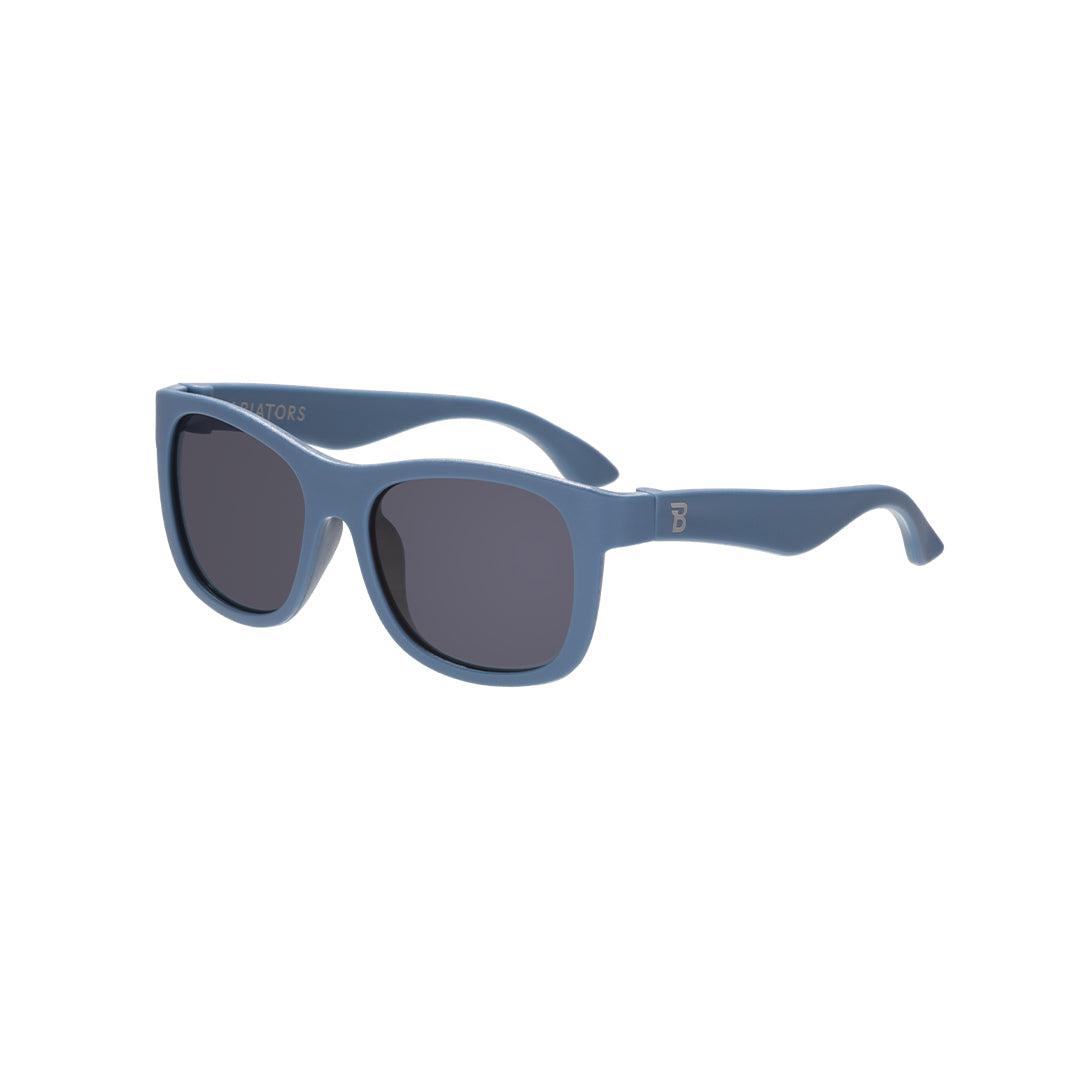
Finally, consider whether the sunglasses are made for actual children or just made to look cute on a shelf. Flexible frames, child-friendly materials, and a replacement guarantee can make a world of difference. For many parents, peace of mind matters almost as much as the product itself. That is one reason brands like Babiators UK have built trust around both serious protection and a genuinely parent-friendly guarantee.
When children benefit most from wearing sunglasses
The short answer is more often than many people think. Summer holidays are an obvious one, but they are not the only time sunglasses earn their place.
They are useful on the school run, in the buggy, at the playground, at the beach, beside the pool, on boat trips, on ski holidays, and during long sunny drives. They are also helpful when glare is strong even though the air feels cool. That catches families out in spring and autumn, especially when the sun sits lower and shines directly into little faces.
It also depends on the child. Some children are very sensitive to brightness and show it straight away. Others seem unbothered but still need protection all the same. If your child resists sunglasses at first, that is normal. A comfortable fit, a fun frame shape, and making sunglasses part of the getting-ready routine can help.
Common concerns parents have
One common question is whether very young children really need sunglasses. If they are spending time outdoors in bright conditions, yes, proper eye protection is worth considering. A pram hood or shade helps, but it does not block every angle of sunlight, especially when the sun shifts.
Another question is whether children will keep them on. Some will. Some definitely will not, at least not on day one. This is where comfort and flexibility matter. If the frames are too heavy, too rigid, or awkward on the nose, children tend to reject them quickly. A pair that feels easy to wear stands a much better chance.
Parents also wonder whether sunglasses can replace hats. Not really. They work best together. A wide-brimmed hat or cap helps shade the face, while sunglasses protect the eyes from direct and reflected light. Sun safety is strongest when those pieces work as a team.
The style factor matters more than adults admit
Parents often start with protection, then realise style has a job to do too. If a child loves how their sunglasses look, they are more likely to wear them. That is not vanity - it is practicality.
Fun shapes, bright colours, and mini versions of grown-up styles can turn sunglasses into something a child wants to put on rather than something they tolerate. For grandparents buying gifts, that matters too. The best pair is the one that gets worn again and again.
Style should never come at the expense of protection or comfort, but when you get all three right, everyone wins. Children feel good wearing them. Parents feel good knowing young eyes are properly protected.
A smart everyday habit, not a special treat
Sunglasses for children are sometimes treated as a holiday extra, like an inflatable flamingo or a bucket-and-spade set. In reality, the benefits are far more everyday than that. They help protect developing eyes, reduce glare, improve comfort, and make outdoor time easier for children and adults alike.
If you are choosing a pair, keep it simple. Look for 100% UV protection, a comfortable age-appropriate fit, and frames tough enough for real life with kids. The rest comes down to your child’s routine, your family’s outdoor habits, and whether features like polarised lenses make sense for how you use them.
Raise your sun safety early, and sunglasses become one of those small parenting decisions that quietly does a lot of good.
 Volver a Blog

