










Best Toddler Sunglasses for Holidays: What Works
A pair of sunglasses can make the difference between a cheerful beach walk and a toddler who spends the whole morning squinting from the buggy. The best toddler sunglasses for holidays are not just the cutest pair for the first photo by the pool. They need to stay on during a wriggly airport nap, cope with sand and snack-covered hands, and protect little eyes whenever the sun is out.
That means looking beyond the colour or frame shape. For family holidays, the right pair brings together 100% UV protection, a secure fit and the kind of flexibility that survives being dropped before breakfast. Here is how to choose with confidence, whether you are heading to the coast, the mountains or a sunny city break.
Why holiday sun calls for proper toddler sunglasses
Toddlers often spend more time outside on holiday than they do at home. There are long lunches on terraces, paddling pools, sightseeing walks and hours at the beach when everyone loses track of time. Even on cloudy days, UV rays can still reach their eyes, while water, pale paving and sand can reflect bright light upwards.
Young eyes need extra care because they are still developing. A hat with a wide brim gives useful shade, but it cannot block reflected glare or protect eyes when your child looks up, sideways or towards the water. Sunglasses are the practical extra layer that lets them explore in comfort.
Look first for a clear 100% UV protection claim. Dark lenses alone are not proof of protection. In fact, a dark lens without proper UV filtering can be a poor choice, as the pupil may open wider in low light while harmful rays are not being blocked. The label should make the protection promise simple and specific.
What makes the best toddler sunglasses for holidays?
A great holiday pair is built for real family life, not just a carefully posed picture. Start with these essentials when comparing toddler sunglasses.
100% UV protection is non-negotiable
This is the feature to put at the top of every list. Look for lenses that provide 100% UVA and UVB protection, so your toddler has reliable coverage during bright summer days, winter sun and changing weather. UV protection matters in the UK too, but it becomes especially easy to forget when you are abroad and routines are different.
Keep the sunglasses within reach rather than packed at the bottom of the beach bag. A pair clipped to a changing bag or stored in a protective case is far more likely to make it out for that sunny walk to the ice cream shop.
A flexible frame handles toddler behaviour
Toddlers bend things. They sit on things. They hand things to the dog, then lose them under the car seat. A flimsy frame can turn one excited grab into another item on the holiday shopping list.
Choose frames designed to be durable and flexible, with no sharp edges and a comfortable feel against small ears and noses. Babiators frames are made to be virtually indestructible, so they are ready for the drops, bends and enthusiastic handling that come with little travellers. A one-year Awesome Guarantee also takes some of the drama out of an accidental break.
Durability does not mean a rigid or heavy fit. The best frames feel light enough that your child forgets they are wearing them, which is often the real test.
The right size beats a bigger style
Sunglasses that slide down the nose or press into the temples are unlikely to stay on for long. Age-based sizing gives parents a helpful starting point: 0-2 for babies and younger toddlers, 3-5 for most preschoolers, and 6+ for older children. But every child is different, so use age as a guide rather than a guarantee.
A good fit should sit close to the face without pinching. The frame should not rest on the cheeks, and the arms should reach comfortably towards the ears rather than sticking out wide. If your toddler is between sizes or has a particularly petite or broad face, check the product measurements before choosing.
For children who are new to sunglasses, a snug, lightweight frame is usually easier to accept than an oversized pair they need to push back into place every few minutes.
Lenses should suit the trip you have planned
Original lenses are a brilliant everyday choice for park days, seaside strolls and travel. Polarised lenses can be particularly useful when reflected glare is the big issue, such as around water, sand, snow or glossy pavement. They help reduce harsh reflected light, which can make a bright scene feel more comfortable for little eyes.
Polarised lenses are not automatically necessary for every holiday. If your family is mainly exploring shaded streets, visiting museums and taking short walks, standard lenses with 100% UV protection may be all your toddler needs. For a beach week, boating trip or ski break, polarised sunglasses can be a worthwhile upgrade.
Lens colour is more about comfort and style than UV safety, provided every option offers the same tested protection. Let your toddler choose between fun colours or a favourite shape if it helps them feel proud to wear them. A child who loves their sunglasses is a child more likely to keep them on.
Match the frame to your holiday routine
The most practical sunglasses can still feel fun. Frame shape is a chance to suit your child’s personality without compromising on protection.
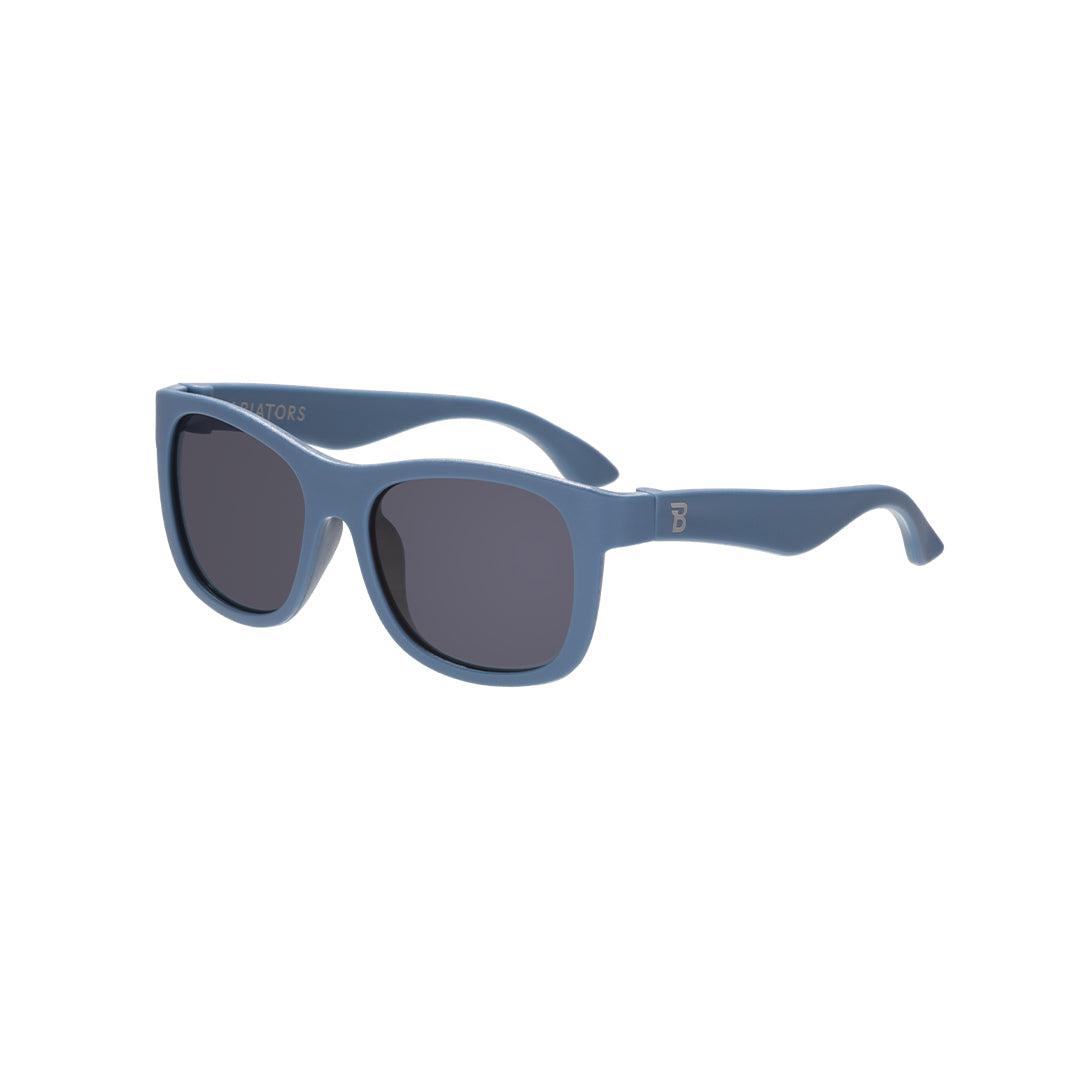
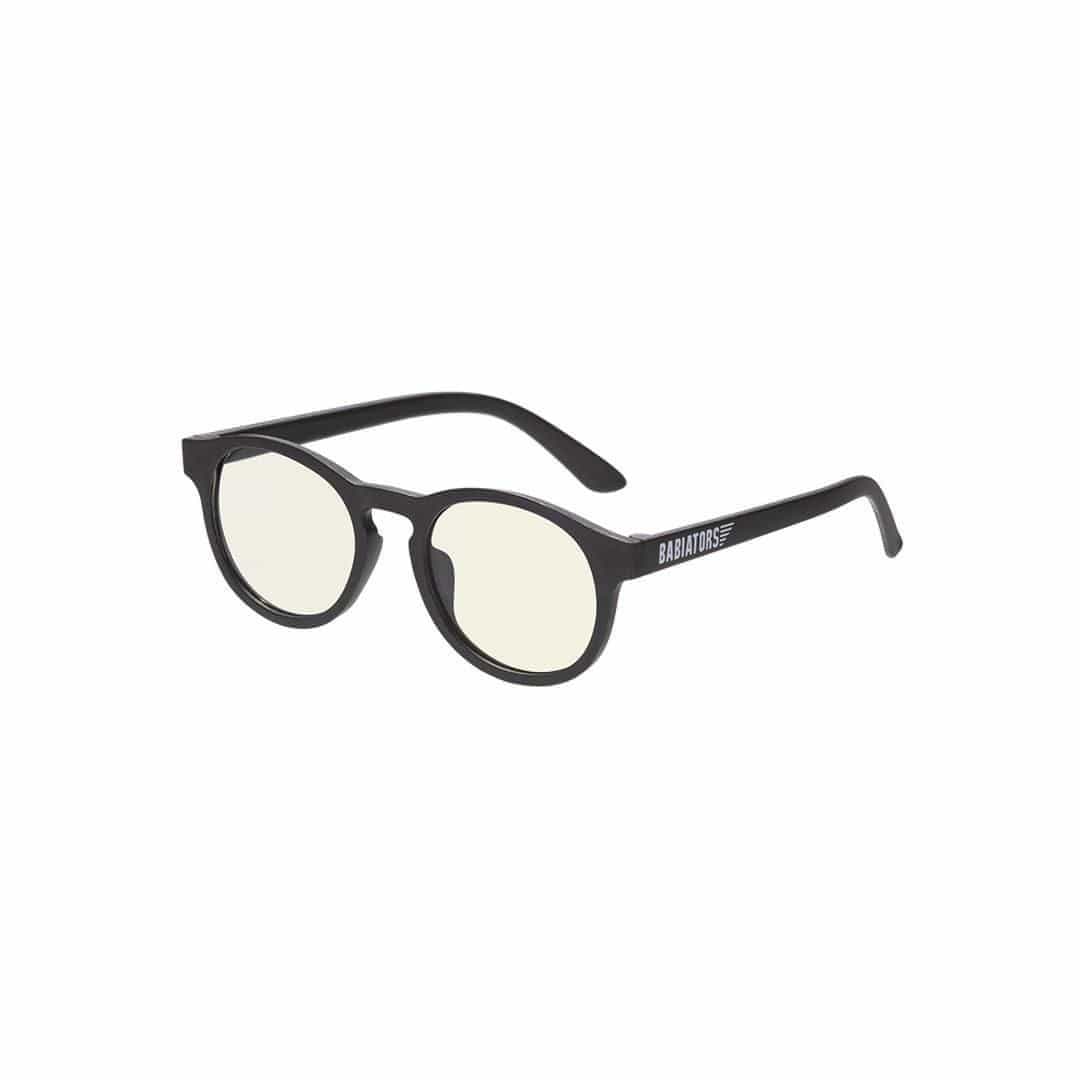
Round frames have a playful, classic look and work beautifully for everyday sightseeing. Navigator and Aviator styles offer a cool, grown-up feel for little adventurers, while Keyholes bring a modern touch. Hearts and Flowers are made for children who want their accessories to be as joyful as their holiday outfits.
Think about what your toddler usually tolerates. If they pull at hats and hair clips, a simple lightweight frame may be your safest bet. If they already love dressing up, a colourful or statement shape can turn sunglasses into something they ask to wear. There is no single best style, only the one that fits well and gets used.
A quick fit check before you leave
Do not wait until the airport to introduce new sunglasses. Let your toddler wear them for a few minutes at home, then during a walk or in the garden. The aim is not to force it, but to make them feel familiar.
Check that the lenses sit level, the nose area is comfortable and the arms are not leaving marks behind the ears. Watch what happens when they look down to pick up a toy or shake their head. If the frames immediately slip, they are likely to become frustrating on a windy beach or busy day out.
Make sunglasses part of the same routine as shoes and sun cream. A simple phrase such as hat on, shades on, let’s go gives toddlers a predictable cue. Offer praise when they keep them on, especially at first. For some children, copying a parent or older sibling wearing sunglasses is all the encouragement they need.
Do not forget the rest of the sun-safety kit
Sunglasses work best alongside the other sensible protections parents already use. Pack a wide-brimmed hat, seek shade around the strongest part of the day where possible, and apply broad-spectrum sun cream regularly to exposed skin. On long travel days, keep water handy and allow for breaks out of direct sunlight.
A protective case is worth adding to the bag, especially if your holiday involves sandy towels, packed day trips or a pram basket full of essentials. Clean lenses with a soft cloth and fresh water if they get gritty. Rubbing sand straight across a lens can cause scratches.
It is also wise to pack sunglasses in your hand luggage rather than relying on a checked suitcase. A sunny destination does not always mean a sunny arrival, but you will be glad to have them when the clouds clear during that first afternoon outside.
The right toddler sunglasses give your child more than a cute holiday look. They make bright days easier to enjoy, give little eyes the protection they deserve, and leave you free to focus on the important bits: sandy feet, big laughs and one more trip to the sea.
 Volver a Blog

