










Baby Sun Protection: A Parent's Outdoor Plan
A sunny morning can turn into a full outdoor day faster than you can pack the changing bag. That is why baby sun protection works best when it is part of the routine, not a last-minute scramble at the park gate. A little planning helps protect delicate skin and developing eyes, while leaving plenty of room for puddle jumps, picnics and big family adventures.
Baby sun protection starts before you leave home
The strongest sun safety plan is layered. Think shade first, then lightweight clothing, a well-fitting hat, sunscreen for exposed skin where appropriate, and sunglasses that offer proper UV protection. No single item does every job, especially when little ones wriggle out of hats, kick off sandals and change direction every six seconds.
Sun protection matters even when it is not scorching. UV can reach us through light cloud, and reflective surfaces such as water, sand, pale paving and snow can bounce it back towards little faces and eyes. A breezy day can also feel cooler than it really is, making it easy to underestimate sun exposure.
For babies under six months, direct sunshine is best avoided wherever possible. Their skin is particularly sensitive, so use the pram canopy thoughtfully, choose deep shade, dress them in loose, breathable layers and plan outings around the brightest part of the day. A canopy should never block airflow completely or cause a pram to overheat. Keep checking your baby's neck or chest for warmth and move to a cooler spot when needed.
With older babies and children, the same principles apply, but they are likely to spend more time exploring. That is where a practical, repeatable routine earns its place.
Build protection in layers
Find shade, but do not rely on it alone
Shade is a brilliant first line of defence. A tree, parasol, beach tent or covered buggy can reduce direct exposure, particularly around midday when the sun is strongest. But shade does not remove all UV, especially near water or on bright sand, so it is not a substitute for clothing, sunscreen and eye protection.
At the beach, look for a spot that gives you room to sit back from the water and a shaded base for feeds, naps and play breaks. On a day out, a café canopy, museum stop or indoor lunch can give everyone a useful reset. This is not about cancelling sunny plans. It is about giving small bodies regular chances to cool down.
Cover skin comfortably
Light, close-woven clothing covers more skin than a vest and shorts, without making a child feel bundled up. Long-sleeved rash tops are particularly useful for paddling pools, holidays and beach days, where sunscreen can wash or rub away. Choose a wide-brimmed or legionnaire-style hat that shades the face, ears and neck.
The trade-off is comfort. If your child is hot, upset or pulling at a layer, it may not stay on for long. Breathable fabrics, roomy fits and familiar clothes usually win over complicated outfits. Keep spare dry layers in the changing bag too, as damp clothes can make little ones chilly once play slows down.
Use sunscreen carefully and generously
For babies and children who are old enough for sunscreen, choose a broad-spectrum product with high SPF and strong UVA protection. Apply it to exposed skin before heading out, including easily missed places such as the ears, back of the neck, tops of feet and the parting of the hair if it is exposed.
Reapply regularly, particularly after paddling, swimming, towelling, sweating or enthusiastic sandcastle building. Water-resistant does not mean all-day protection. Sunscreen is a valuable layer, but it should never be the reason to keep a child in direct sun for longer than is comfortable or sensible.
If your child has eczema, very sensitive skin or a history of reactions, patch test a new product ahead of a big day out. For babies under six months, prioritise keeping them out of direct sun and seek personalised advice from a healthcare professional if you are unsure about sunscreen use.
Protect little eyes as well as little skin
Children's eyes deserve the same attention as their skin. A proper pair of sunglasses should provide 100% UV protection, not simply dark lenses. Tinted lenses without UV filtering can be misleading because they may make pupils open wider while harmful rays are still present.
For babies and toddlers, fit is everything. Sunglasses should sit comfortably without pinching the nose, pressing behind the ears or sliding down every time they look at a pebble. Flexible, durable frames are worth choosing because sunglasses are likely to be bent, dropped, chewed and launched from the pushchair at least once.
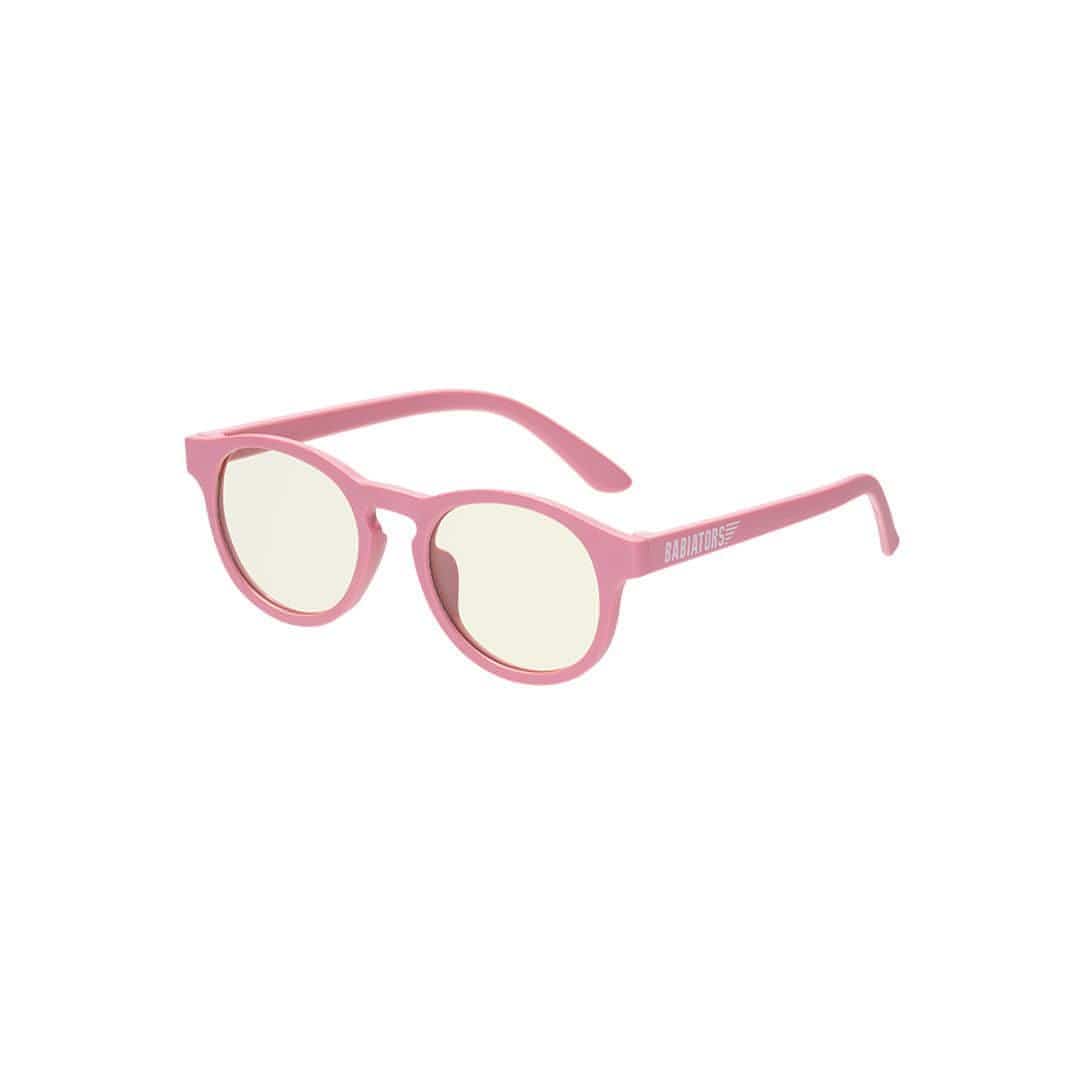
Look for age-appropriate sizing rather than hoping one pair will suit every stage. A secure fit helps lenses cover the eyes properly and gives children a better chance of accepting them. Letting them choose a fun shape or colour can help too. Hearts, flowers and classic rounded frames can make eye protection feel like part of getting ready, rather than another battle before the front door.
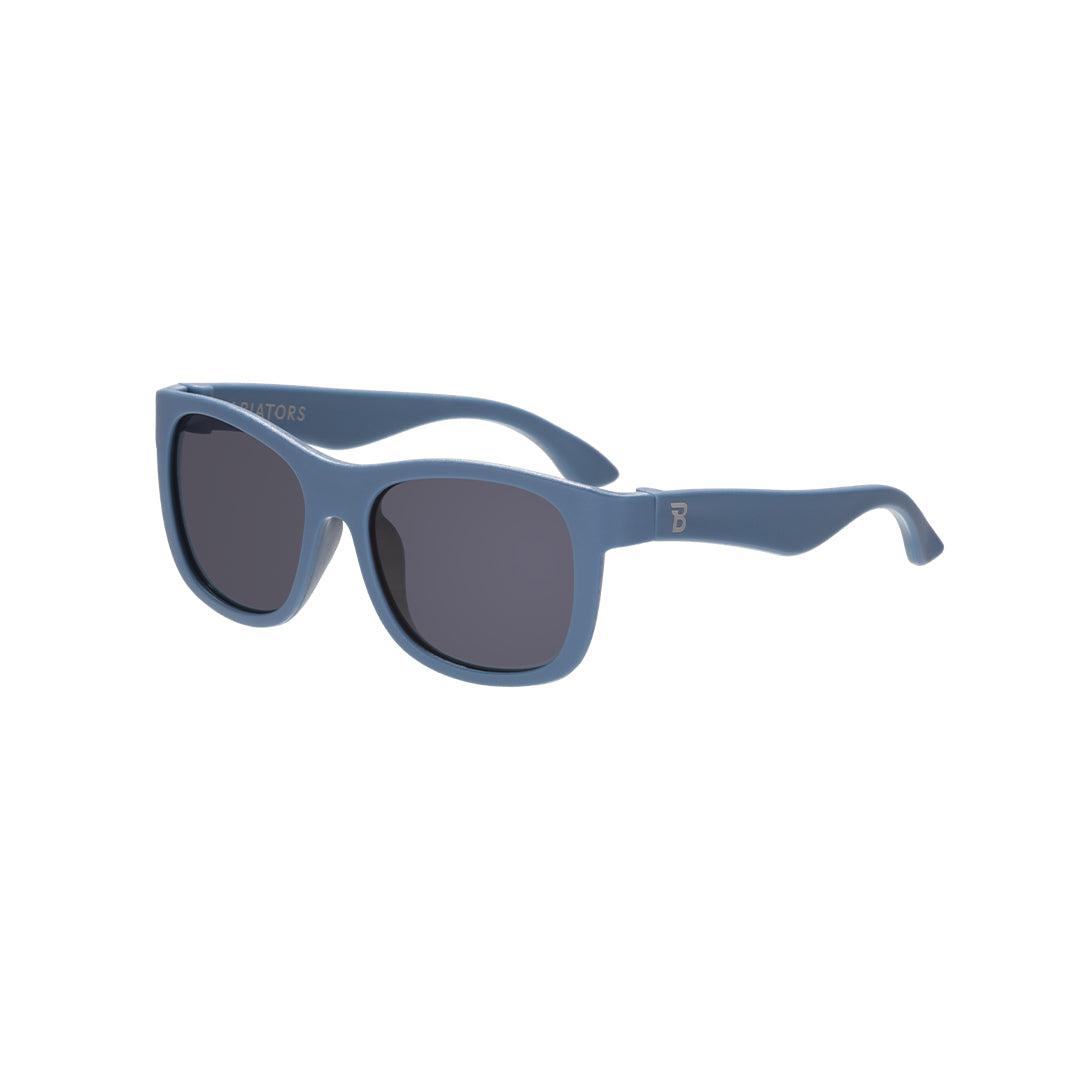
Babiators sunglasses pair 100% UV protection with virtually indestructible frames, so parents can focus on the day rather than worrying about the next drop. Their one-year Awesome Guarantee also takes some of the drama out of real-life kid wear and tear.
Make outdoor timing work for your family
When possible, save longer outdoor sessions for the morning or later afternoon, and use the middle of the day for lunch, naps or shaded activities. You do not need to watch the clock obsessively, but timing is one of the easiest ways to reduce exposure without buying or carrying anything extra.
This can look different depending on the day. A nursery pick-up, family barbecue or holiday itinerary will not always be flexible. On those days, bring more shade, offer frequent drinks and take regular breaks. If your child looks flushed, unusually tired, irritable or thirsty, act early: get them into shade, offer fluids and cool them down gently.
Remember that sunny-weather safety includes heat as well as UV. Babies cannot tell you they are overheating, and young children may be too busy playing to notice. Check them often, especially in car seats, prams and carriers where airflow can be limited.
Pack the no-fuss sun kit
A reliable kit means you are less likely to improvise with a thin muslin and hope for the best. Keep these essentials together during warmer months:
- A wide-brimmed hat and a spare, because hats have a remarkable habit of disappearing.
- Lightweight cover-up clothing or a rash top for water play.
- High-protection sunscreen, plus a small mirror for checking missed patches on your own face too.
- UV-protective sunglasses in the right size, stored in a case when they are not being worn.
- Water, snacks and a familiar comfort item for calm shade breaks.
Help sunglasses become an easy habit
Some children take to sunglasses immediately. Others treat them as a fascinating new toy. Start with short, positive tries at home or in the garden, when there is no pressure to keep them on for hours. Put your own sunglasses on too. Little ones love copying what they see.
Avoid repeatedly forcing frames back on if your child is distressed. Check the fit first: sunglasses that slip, wobble or feel too tight are unlikely to become a favourite. A snug, comfortable pair and a little praise when they wear them can go a long way.
Consistency matters more than perfection. Use sunglasses for buggy walks, bright playgrounds, beach days, bike rides and holidays, and they soon become as ordinary as putting on shoes. Keep a pair in the changing bag so they are there when a cloudy morning turns brilliantly bright.
Sun safety on holidays, by water and in winter
UV exposure can be higher on holiday, particularly when you are closer to the equator or spending long days beside a pool. Water and sand reflect light, and children often resist coming out once the fun begins. Build in shade breaks before they are exhausted, and reapply sunscreen after every swim or towel dry.
Winter sun deserves respect too. Ski trips combine altitude, reflected light from snow and long periods outdoors. Sunglasses with 100% UV protection are not a warm-weather accessory. They are eye protection for bright days in every season.
The best baby sun protection routine is the one your family can actually repeat: shade for breaks, comfortable cover-ups, sunscreen used properly and sunglasses that stay on through real kid adventures. Pack it, practise it, and let the sunny memories take centre stage.
 Volver a Blog


