










Why Children Squint in Sun: A Parent’s Guide
A sunny playground, a beach walk or the school run can bring on the same little expression: narrowed eyes, a wrinkled nose and a hand thrown up as a visor. Parents often ask why children squint in sun, especially when their child seems perfectly comfortable indoors. Usually, it is a normal reaction to bright light. But it is also a useful reminder that young eyes need proper protection, not just on blazing summer days but whenever UV levels are high.
Why children squint in sun
Squinting is the body’s fast, built-in response to glare. By narrowing the eyelids, your child lets less bright light reach their eyes. It can make things look a little clearer and reduce the immediate discomfort caused by sunshine reflecting off pavements, water, sand, snow or even a shiny car bonnet.
Children may squint more noticeably than adults because their eyes are still developing, and they have not yet learnt all the practical ways adults manage bright light. They may not think to find shade, put on a hat or turn away from the glare. Toddlers are also wonderfully direct: if something feels too bright, their face will show it.
Not every squint means a problem. A child who briefly screws up their eyes when stepping from a dim hallway into brilliant sunlight is having a normal light-response. The key is to notice the pattern. Is it only outdoors? Does it settle with shade or sunglasses? Or is your child squinting often, even on cloudy days or indoors?
Bright light is not the same as UV exposure
Glare and ultraviolet radiation are connected, but they are not identical. Glare is the brightness your child feels right now. UV radiation is invisible, so a day can feel cool or look overcast while still exposing their eyes to UV.
That matters because a child’s lenses are clearer than an adult’s, allowing more UV to reach structures inside the eye. Their eyes also have many years of sun exposure ahead of them. The goal is not to make outdoor play feel worrying. Fresh air and play are brilliant for children. The goal is to build a simple habit of protecting their eyes from the start.
A good pair of children’s sunglasses should provide 100% UV protection. Dark lenses alone are not proof of protection. In fact, lenses that look dark but do not filter UV can be a poor choice, because the darker view may cause the pupil to open wider while UV still reaches the eye. Always look for a clear 100% UV protection claim when choosing sunglasses for little ones.
Why glare can feel stronger near water, sand and snow
Some surfaces bounce light back towards the eyes. That is why a child may be fine walking through town but start squinting at the seaside, beside a swimming pool or on a family ski trip. Sand, water and snow can all intensify reflected glare.
Polarised lenses can be particularly useful in these settings. They are designed to reduce reflected glare from flat surfaces, making the view more comfortable for days by the water, outdoor meals and bright holidays. They do not replace UV protection - they should sit alongside it.
Is squinting ever a sign of an eyesight issue?
Sometimes. Squinting can help a child sharpen a blurry image by changing the way light enters the eye. For that reason, frequent squinting may be one clue that they are struggling to see clearly, whether they are trying to read a sign, watch television or spot something in the distance.
It does not automatically mean your child needs glasses, and sunlight alone is not enough to diagnose an eye condition. Still, it is worth mentioning to an optometrist or GP if you notice squinting in situations that are not especially bright, or if it appears to be getting more frequent.
Book professional advice promptly if your child has persistent light sensitivity, regularly covers one eye, tilts their head to look at things, complains of headaches or eye pain, has red or watery eyes that do not settle, or you notice one eye turning in or out. Babies who seem unusually distressed by ordinary indoor light should also be checked.
Trust your instincts. You know what is normal for your child. Most causes are manageable, and an eye examination is a practical way to get reassurance or identify support early.
How to make sunny days easier on young eyes
The best sun protection is usually a combination, not one magic item. Shade lowers direct exposure, a wide-brimmed hat helps shield the face and eyes, and sunglasses add targeted protection when children are out and about.
For babies, keep pram time shaded where possible, but make sure air can circulate freely. Avoid draping a blanket over a pram, as this can trap heat. A fitted sunshade, parasol or the natural shade of a tree is a safer choice. Babies should also be kept out of strong direct sun, particularly around the middle of the day.
For walking, playing and travelling, sunglasses are often the option children will wear most consistently once they become part of the routine. Put them on when you apply sun cream or grab shoes before heading out. Young children learn through repetition, and sunglasses can quickly become as ordinary as a coat in drizzle.
Fit matters as much as protection. Frames should sit comfortably without pinching the nose, pressing behind the ears or sliding down every few steps. A fit that is too loose will frustrate an active toddler; one that is too tight is likely to be pulled off. Choose by age-guided sizing, then check that the frame covers the eye area well and stays put during real-life kid movement.
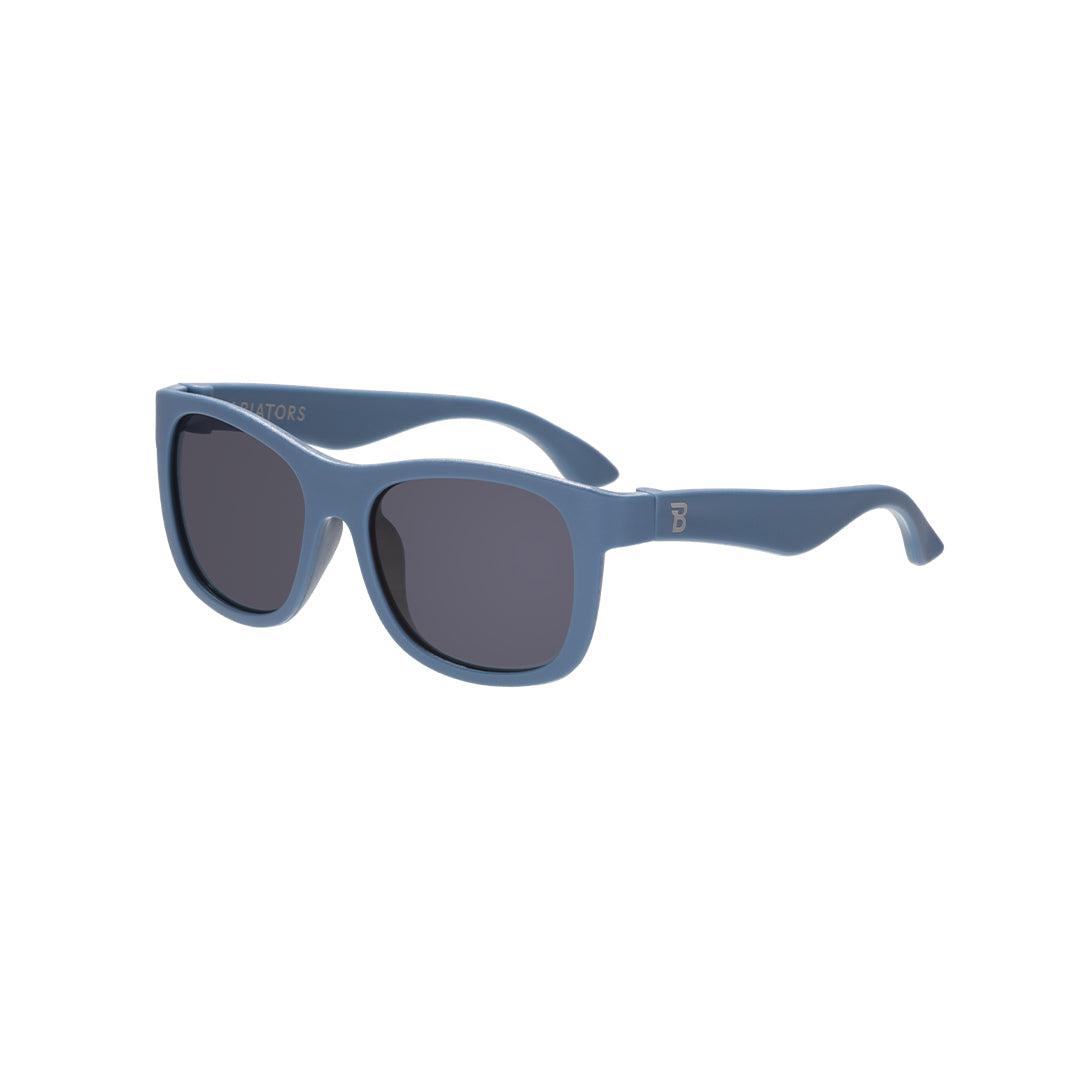
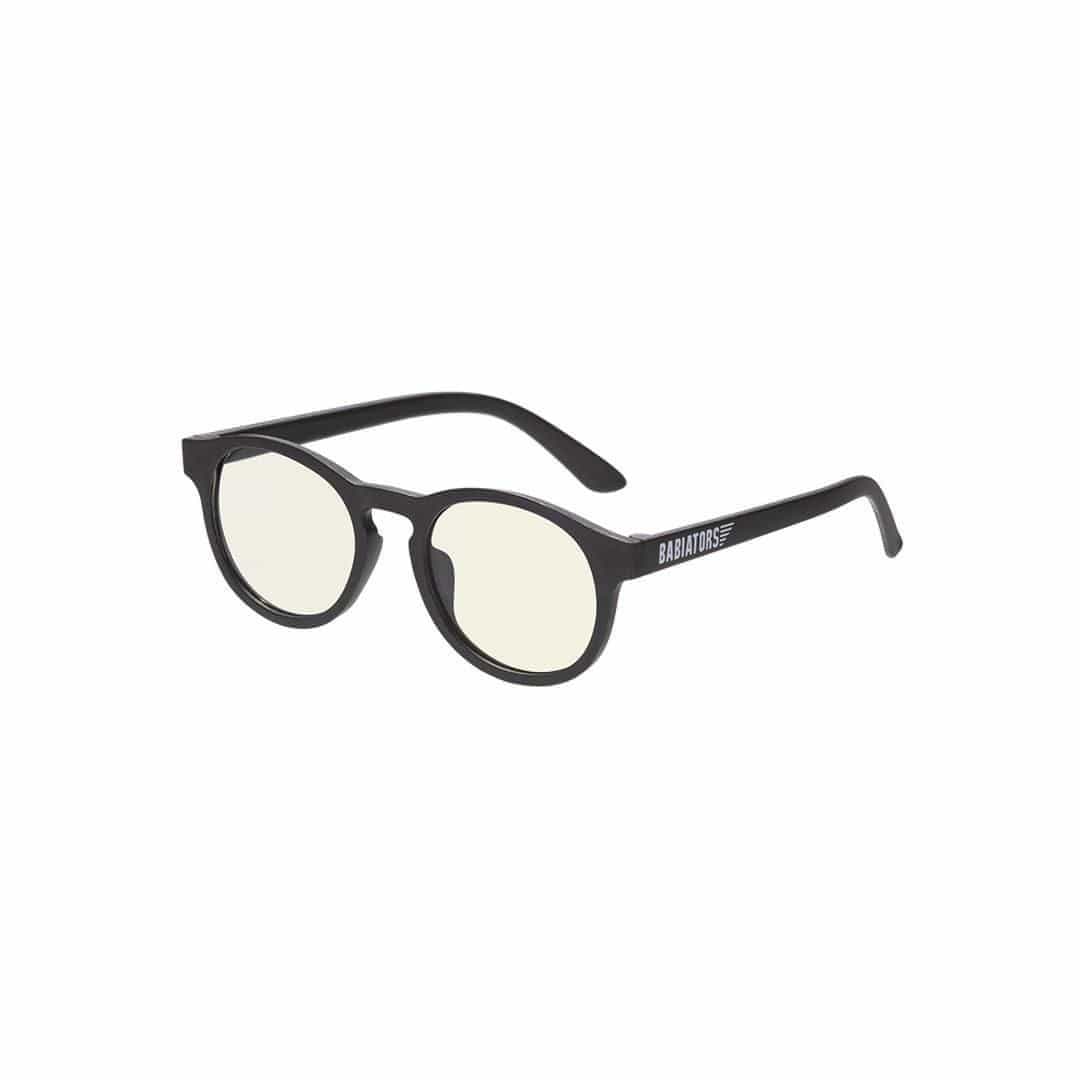
Parents also need sunglasses that can survive real life. Children bend frames, drop them on the patio and forget them at the bottom of a bag. Durable, flexible frames remove some of the drama from building a healthy habit. Babiators sunglasses pair 100% UV protection with kid-ready frames and an Awesome Guarantee that replaces broken sunglasses free for one year.
Do children need sunglasses on cloudy days?
Often, yes. Clouds can reduce visible brightness, but they do not block all UV radiation. This is why children may not squint much on a grey day yet can still benefit from eye protection during long spells outdoors.
There is no need to force sunglasses in every moment. If your child is playing in deep shade, popping outside briefly or refusing them during a low-UV winter afternoon, a hat and shade may be enough. Think about the whole situation: the time outdoors, the season, the strength of the sun and whether reflective surfaces are involved.
On brighter days, make sunglasses non-negotiable in the same calm way you handle a seat belt. Offer a frame colour or shape they love, make sure it feels comfortable and avoid turning it into a battle. A child who chooses heart-shaped frames or bold aviators is far more likely to reach for them willingly.
A quick parent check before heading out
Before you leave, look at the forecast and UV index if it is available, then consider where your family will be spending time. A shaded woodland walk calls for a different approach from an afternoon at the beach or a snowy mountain break.
Bring a hat and sunglasses, and pack a spare if your child is prone to misplacing things. For long outdoor days, plan shade breaks too. Sunglasses are a brilliant layer of protection, but they work best alongside sensible sun habits for skin and eyes.
Your child’s squint is a small signal worth listening to. It is their way of saying the light feels too strong. Give them shade, a comfortable hat and properly protective sunglasses, then let them get back to the serious business of puddle jumping, sandcastle building and being wonderfully outdoors.
 Volver a Blog


