










Toddler Sunglass Straps That Really Stay Put
A pair of sunglasses can make it from the front door to the park, only to disappear somewhere between the swings and the snack stop. For toddlers, sunglasses are frequently taken off, dropped, chewed, shared and forgotten. Toddler sunglass straps help keep their shades close, so there is one less thing to retrieve from the pavement, pushchair basket or sandpit.
More importantly, a well-fitted strap can help little ones keep sunglasses on when the sun is at its brightest. The goal is not to force sunglasses into place. It is to make wearing them feel easy enough that your child can get on with the serious business of puddle jumping, bike riding and holiday exploring.
Why toddler sunglass straps earn their place
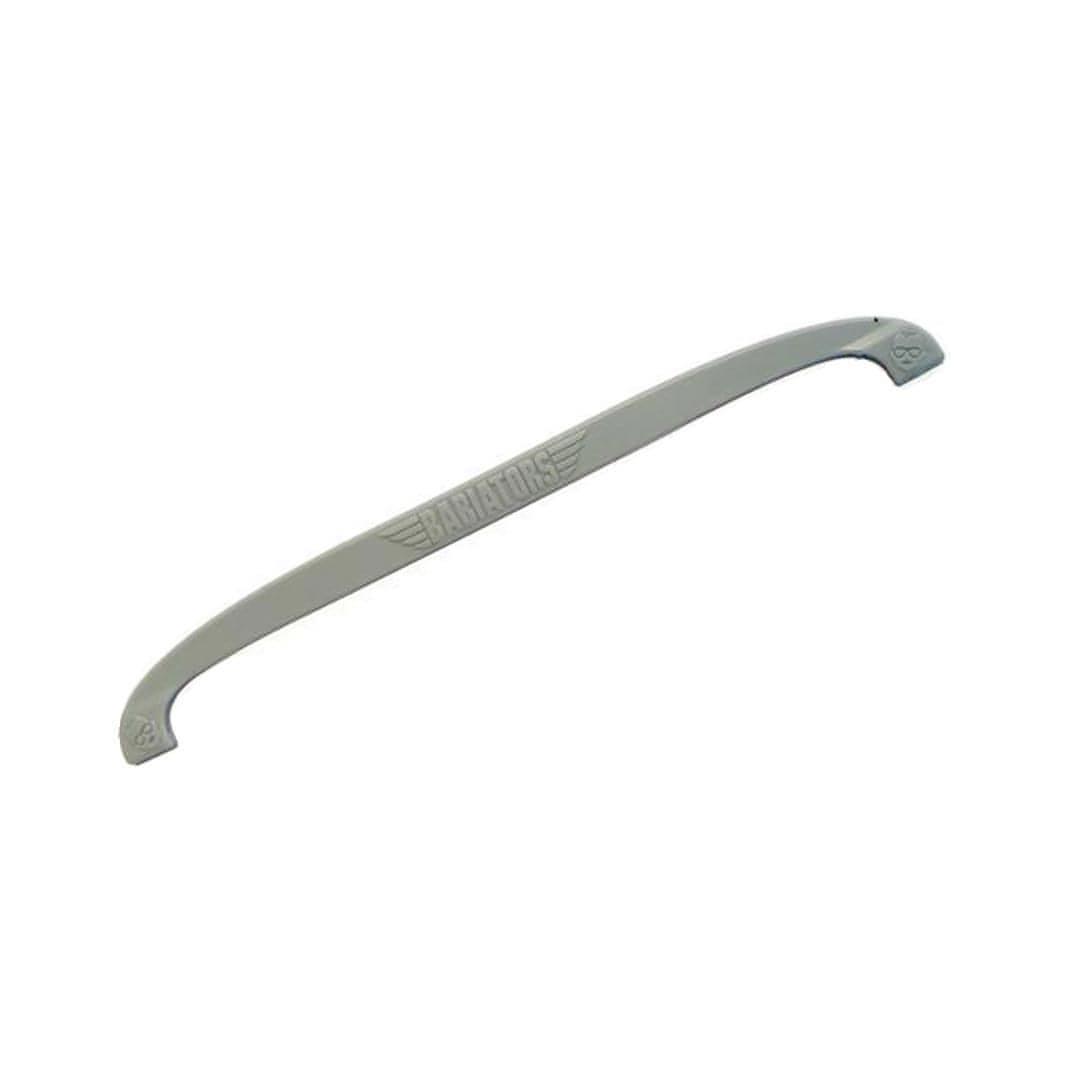
Toddlers move fast and change direction faster. A frame that fits beautifully can still slide down during a run, a climbing session or an enthusiastic head shake. A sunglass strap adds gentle security around the back of the head, helping the frames stay in position without constant parent-powered readjustments.
That practical help matters on bright days. Children’s eyes need 100% UV protection, whether they are at the beach, in the garden, on a snowy family break or sitting in the pushchair on a sunny walk. If sunglasses spend most of the day in a grown-up’s bag, they cannot do their job. A strap makes it more likely that the sunglasses stay where they belong: on little faces.
There is also the lost-and-found benefit. Toddlers are brilliant at putting treasured items down in places no adult would ever think to look. Keeping shades attached around the neck when they come off can reduce the chance of a favourite pair being left behind at nursery, the playground or a café table.
A strap should feel secure, never restrictive
The best fit is close enough to prevent the sunglasses from falling forward, but loose enough for comfortable movement. You should be able to slide a finger between the strap and the back of your child’s head. If it leaves a mark, pulls hair or makes your toddler immediately tug at it, it needs adjusting.
Start by fitting the sunglasses first. The bridge should sit comfortably on the nose, the arms should rest naturally around the ears, and the frame should not pinch at the temples. A strap cannot fix sunglasses that are the wrong size. In fact, trying to secure an oversized frame with a very tight strap usually makes the experience less comfortable and less likely to stick.
Once the frame fits, attach the strap according to its design and shorten it gradually. Ask your toddler to look up, down and side to side, then let them have a little run around indoors. If the frames stay level without pressing into their face, you have found the sweet spot.
Comfort is a safety feature
Soft, lightweight materials are usually the friendliest choice for small children. Look for smooth finishes that will not rub behind the ears or catch in fine hair. Adjustable designs are useful because toddlers grow quickly, and the same child may need a different fit with a sun hat, hood or thicker layers in cooler weather.
Avoid straps with loose, detachable parts that could become a chewing temptation. Check the strap regularly for stretching, cracks or worn attachment points, especially after beach days, paddling pool fun and muddy adventures. Salt, sand and sunscreen can all take their toll over time.
A key rule is simple: remove sunglasses and straps for sleep. Do not leave a strap on an unattended child, and take it off before naps, bedtime or any situation where it could catch on play equipment or clothing. Straps are brilliant for active, supervised daytime wear. They are not an all-day accessory.
Choosing toddler sunglass straps for real life
There is no single perfect strap for every family. Your best option depends on your child’s age, how they respond to accessories and where they wear sunglasses most often.
For a younger toddler, a soft adjustable strap is often a great starting point. At this stage, children may pull their sunglasses off simply because they are getting used to the feeling. A light strap prevents every removal from becoming a full search mission, while giving you plenty of flexibility to fine-tune the fit.
For a confident three- or four-year-old, comfort and independence may matter most. A simple design that is easy to put on and take off with help can make sunglasses feel like part of their getting-ready routine. Let them choose a colour they love if possible. A small sense of ownership can turn ‘No sunglasses!’ into ‘My sunglasses!’ remarkably quickly.
For family holidays, days on the water and snowy trips, a strap is especially handy. Bright surfaces such as sand, water and snow reflect light upwards as well as downwards. Secure sunglasses, a well-fitting sun hat and shade breaks work together to give young eyes better protection when the sun is strong.
The right frame still comes first
A strap is an accessory, not a substitute for proper sunglasses. Prioritise 100% UV protection and a frame designed for children, with flexibility to handle the drops, bends and surprise floor tests that come with toddler life.
Size is just as important. Choose sunglasses by your child’s current fit, rather than buying very large frames for them to grow into. Frames that are too wide slide, twist and distract. Frames that are too small can press at the temples. When the frame sits correctly, the strap only has a light supporting role.
It is worth thinking about lenses, too. For everyday outdoor play, UV protection is the non-negotiable. Polarised lenses can be a useful choice for very bright conditions, particularly around water, sand or snow, because they can reduce glare. The best choice depends on how and where your family spends time outdoors, but every pair should be comfortable enough to wear for more than a minute.
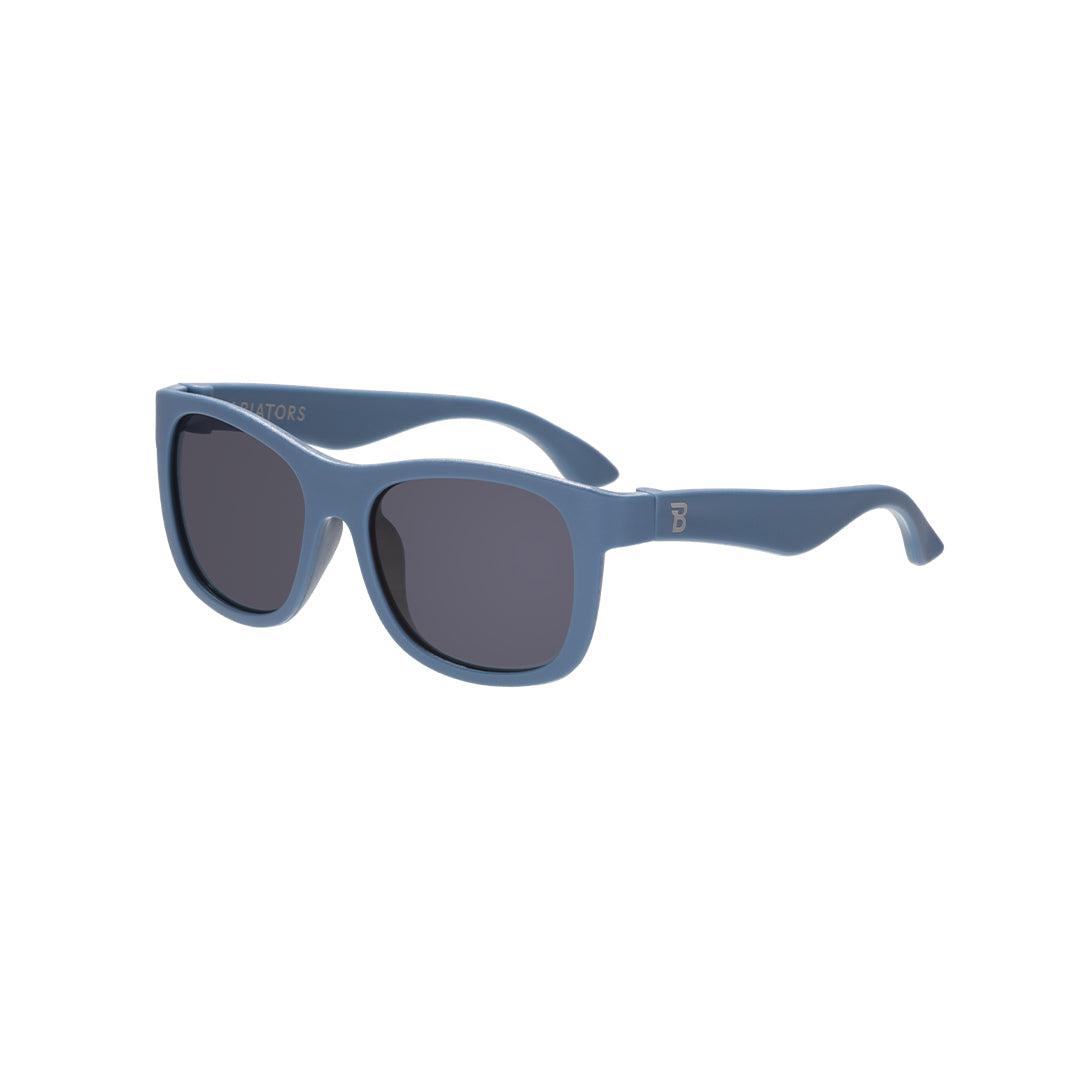
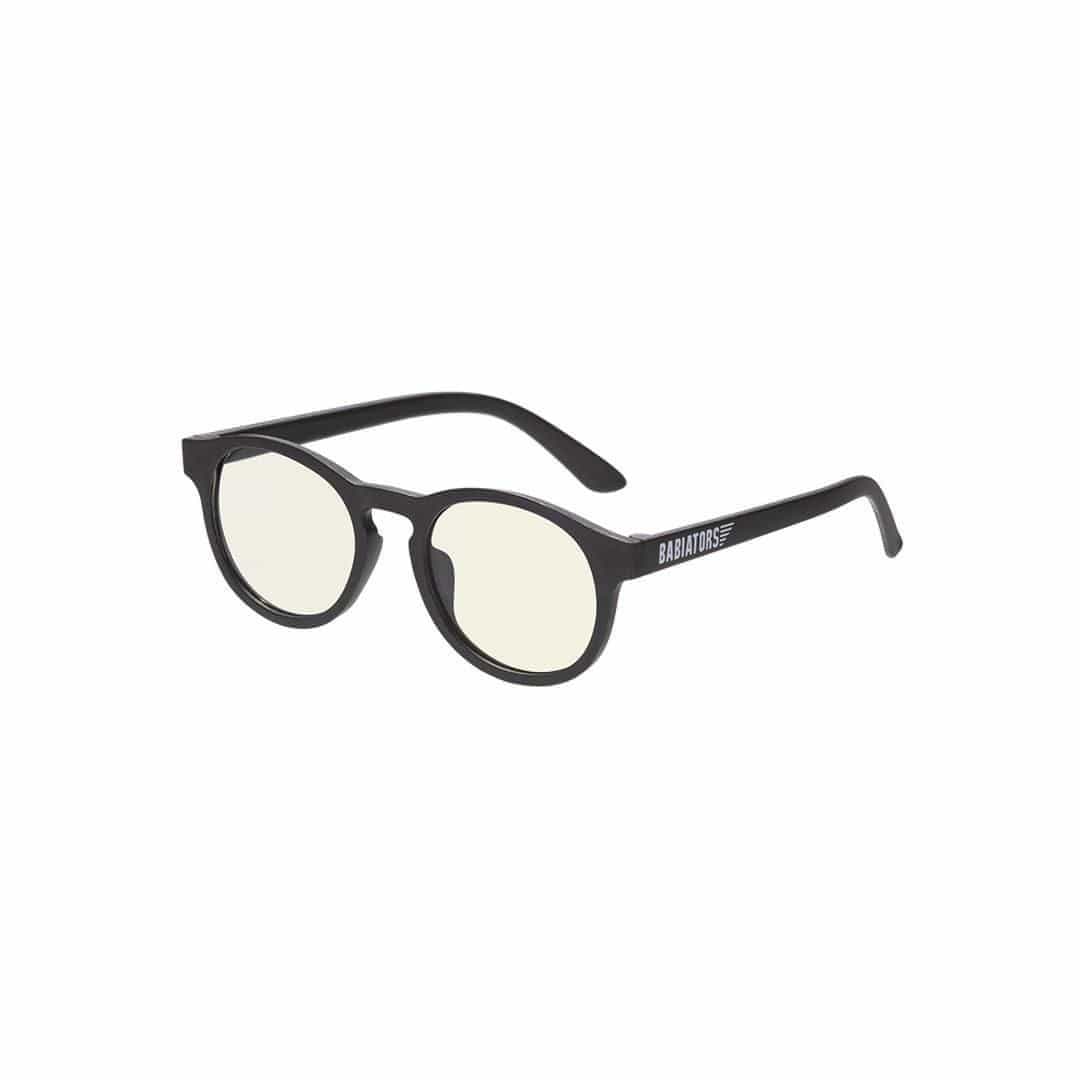
At Babiators, age-based sizing makes it easier to begin with a frame built for your child, then add the accessories that suit your family’s routine. Durable sunglasses and a sensible strap are a strong combination, but fit and comfort always lead the way.
Helping a toddler actually wear their sunglasses
Even the comfiest strap will not win over every toddler instantly. Treat sunglasses like any other new part of getting dressed: introduce them when everyone is calm, keep the first try short, and make it positive. Trying them on before a favourite walk or scooter ride gives the sunglasses a purpose rather than making them feel like a battle.
Toddlers learn by copying, so wear your own sunglasses when the sun is out. You can also use a mirror, let them put sunglasses on a teddy, or offer a simple choice such as whether they would like to wear their shades before or after their shoes. The choice is small, but it gives them a little control.
If your child keeps removing their sunglasses, take a look at the reason before tightening the strap. They may be hot, tired, bothered by hair caught near the ears, or wearing a frame that does not fit quite right. A few small adjustments are usually more effective than insisting.
Keep the whole setup clean and ready
A strap that gets grubby can make a lovely pair of sunglasses less appealing. Wipe it down after sunscreen-heavy days and rinse away sand or salt when needed, following the care instructions for the material. Clean lenses with a soft cloth so smudges do not turn sunny play into a blurry view.
Keep sunglasses and the strap together in the same easy-to-reach place by the door or in the changing bag. Consistency helps. When shades are part of the shoes, hat and sun cream routine, toddlers begin to expect them.
The best toddler sunglass straps are the ones your child barely notices and you are grateful for all day. Choose a comfortable fit, use them with attentive supervision and pair them with properly sized, UV-protective sunglasses. Then let your little explorer chase the light, while their shades stay ready for it.
 Volver a Blog

