










Infant Sunglasses: Small Frames, Serious UV Safety
A sunny pram walk can feel wonderfully simple: a blanket, a bottle, a little fresh air. But when the light is bright, infant sunglasses deserve a place alongside the sun hat and SPF. Babies’ eyes are still developing, and their larger pupils and clearer lenses can let in more UV light than adult eyes. The goal is not to turn every outing into a military operation. It is to make eye protection an easy, everyday habit from the very start.
The right pair should be comfortable enough to wear, tough enough for tiny hands, and protective enough for the big outdoors. Because sunglasses that are pushed off, chewed, dropped or refused after two minutes are not doing much protecting at all.
Why infant sunglasses are more than a cute extra
Babies and toddlers spend plenty of time looking up. From a pushchair, carrier or picnic blanket, the sky, water, pavement and sand can all reflect bright light into their eyes. UV exposure does not only happen during a scorching summer holiday either. It can be strong on bright spring mornings, at the seaside, in the snow and on overcast days when the glare still makes you squint.
A broad-brimmed hat and a pushchair canopy are brilliant first lines of defence, but they do not cover every angle. Light bounces in from the sides, and a canopy is not practical when your little one is walking, being carried or taking in the view from the beach. Infant sunglasses add another layer of coverage when they are outside in daylight.
This is also about building a normal routine. Children who see sunglasses as part of getting ready for an outdoor adventure are more likely to accept them as they grow. Start with short, happy wears, then let those minutes build naturally.
What to look for in infant sunglasses
The label matters more than the lens colour. Dark lenses can make eyes feel more comfortable in bright conditions, but darkness alone does not guarantee UV protection. Look for a clear claim of 100% UVA and UVB protection, or UV400 protection. That tells you the lenses are designed to block ultraviolet rays, rather than simply making the world look dimmer.
A fit that stays put without pinching
For babies, frame fit is everything. Sunglasses should sit securely on the bridge of the nose, with arms that rest comfortably around the ears. They should not leave deep marks, press hard at the temples or slide down every time your little one turns their head.
Age-based sizing takes much of the guesswork out of buying online. A 0-2 size is designed for smaller faces, while older children generally need more width and longer arms as their features grow. Ages are a helpful starting point, not a hard rule. If your child has a particularly petite or broad face, compare the frame measurements with a pair that already fits well.
A secure fit is especially useful for wrigglers. If sunglasses constantly slip, parents tend to push them up repeatedly, and babies tend to pull them straight back down. A well-sized pair gives everyone a calmer outing.
Flexible frames for real-life little adventures
Infant sunglasses will be bent, thrown into the bottom of the changing bag, stepped on by accident and enthusiastically tested by tiny hands. That is normal. Stiff, brittle frames can turn one ordinary drop into another item for the bin.
Choose child-proof frames made to flex rather than snap. Soft, lightweight materials feel less intrusive on a baby’s face and are more forgiving when a child grabs the arms. Durable does not mean indestructible in every possible situation, but it does mean the sunglasses are built for actual family life rather than a careful photo moment.
At Babiators UK, the focus is on virtually indestructible frames paired with 100% UV protection, plus the Awesome Guarantee that replaces broken sunglasses free for one year. It is the sort of reassurance that makes sense when the wearer is still discovering gravity.
Lenses for the day you have planned
Standard protective lenses are a great choice for most everyday walks, garden play and nursery runs. Polarised lenses can be particularly helpful around highly reflective surfaces, such as water, sand, snow and shiny pavements. They reduce reflected glare, which can make a beach day, boating trip or ski holiday more comfortable for little eyes.
There is a trade-off. Polarised lenses can cost more, so they are most worthwhile if your family regularly spends time near water or snow, or if your child is especially bothered by glare. For everyday UK adventures, the non-negotiable feature remains full UV protection.
When should babies wear sunglasses?
If your baby is out in bright daylight and seems bothered by the sun, sunglasses can help. Signs include squinting, turning away from the light, rubbing their eyes or becoming unsettled when the sun is low. Use them alongside shade, rather than relying on sunglasses alone.
For very young babies who are asleep in a fully shaded pram, sunglasses may not be needed. For an awake baby in a carrier, on a blanket or sitting upright in the pushchair, they are often much more useful. Let the conditions lead. The brighter the light and the more exposed the setting, the more worthwhile that extra eye protection becomes.
Be particularly mindful around water and snow. Reflections can intensify glare, even when the air feels cool. The same goes for early morning and late afternoon, when the sun sits lower and shines directly into a child’s line of sight.
How to help your baby keep them on
The first few tries may be short-lived, and that is completely normal. Babies are curious about anything new on their face. Start indoors for a minute or two, then move to a bright outdoor setting where the sunglasses have an obvious purpose. Keep your own sunglasses on too. Little ones love copying what they see.
Make it part of the routine: hat, sunglasses, then out we go. A cheerful phrase can help, whether it is “sun-safe eyes” or “ready for adventure”. Avoid forcing them on if your child is upset. Take a break, try again later and keep the experience light.
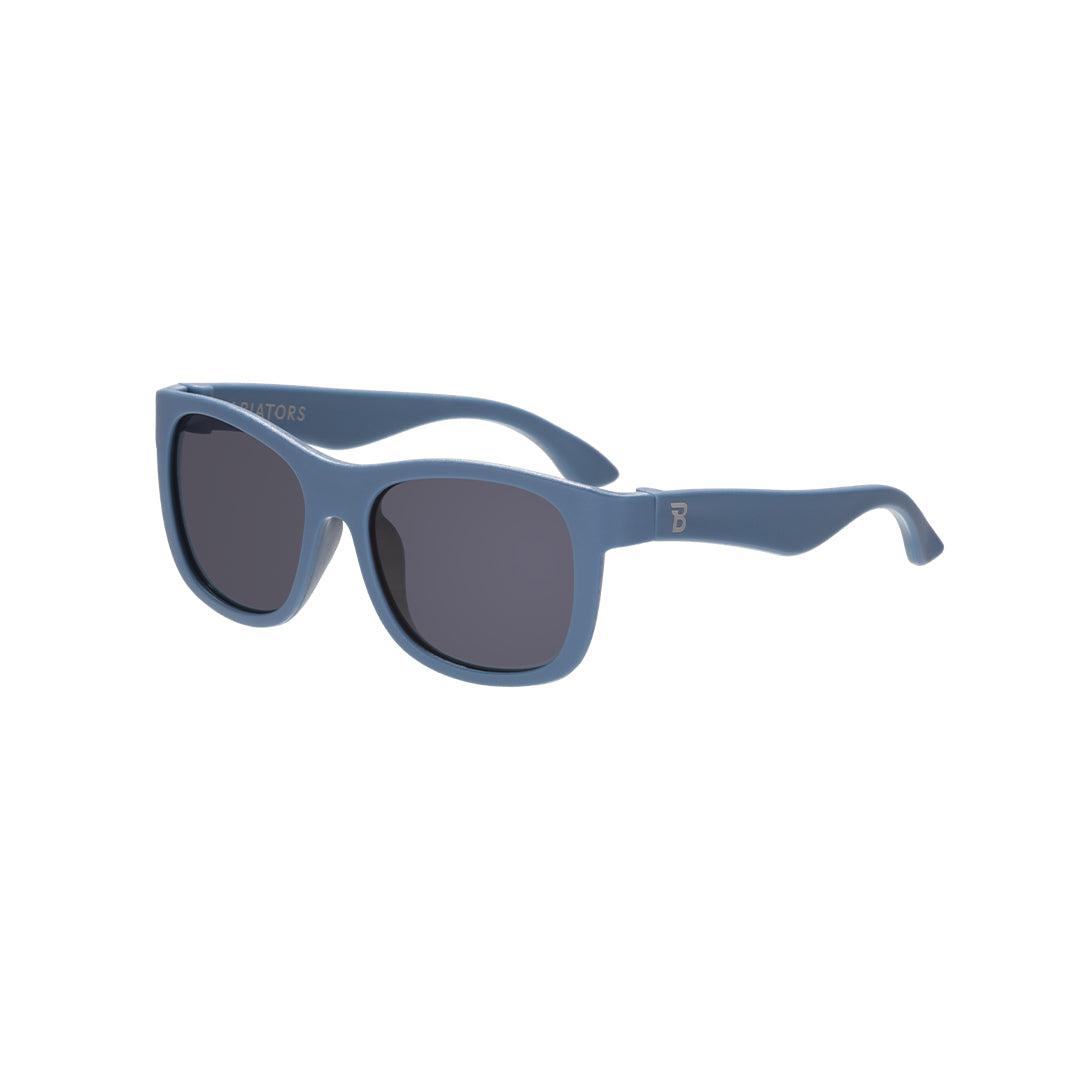
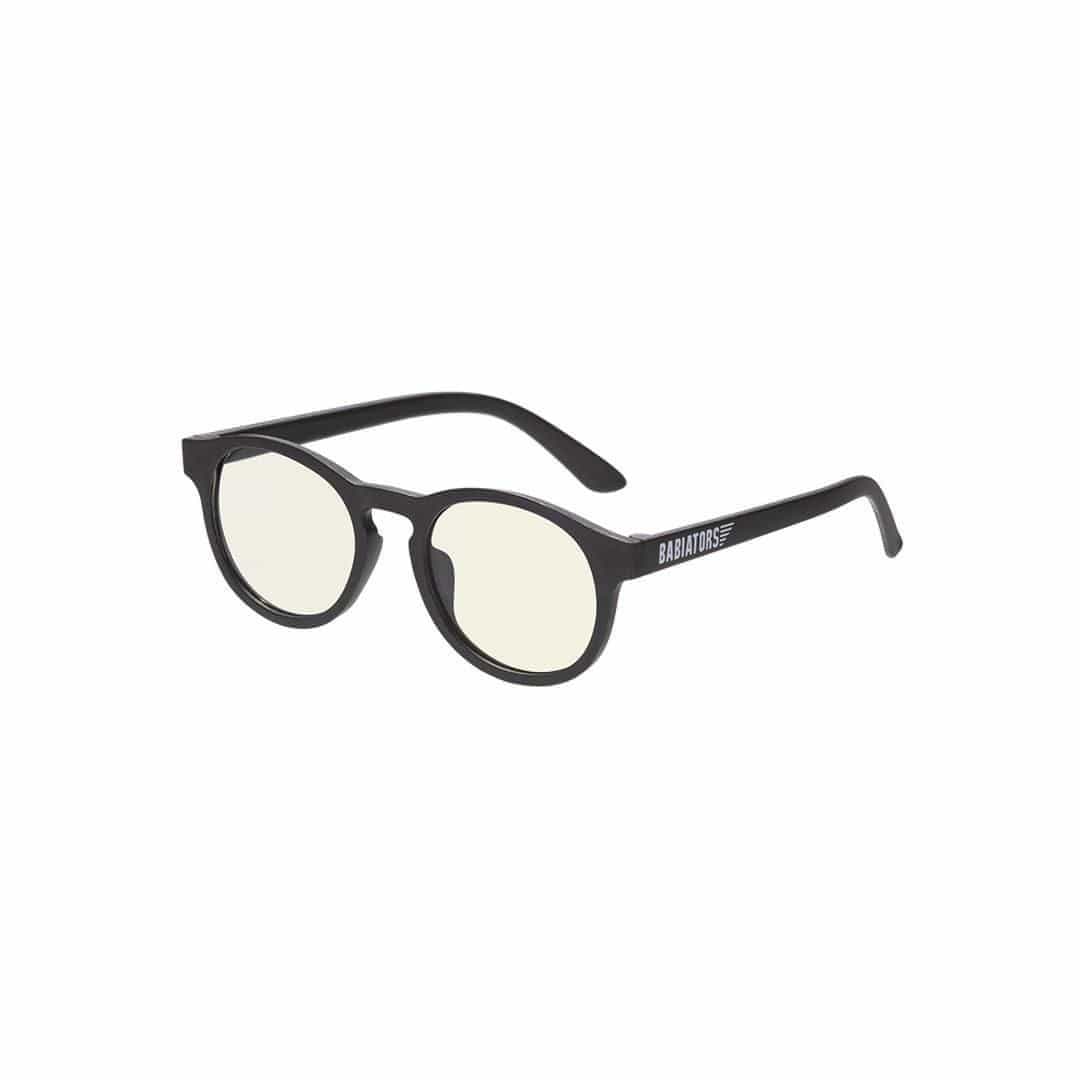
It can also help to offer a simple choice when they are old enough: the round pair or the aviator pair, the blue pair or the flower pair. The choice is small, but their sense of ownership is big. Fun shapes and colours are not just about style. They can make an essential bit of sun safety feel like their favourite accessory.
Caring for little sunglasses
A soft case is useful for keeping lenses clearer in a changing bag, especially when snacks, keys and toy dinosaurs are all sharing the same space. Clean lenses with a soft microfibre cloth and a little lens-safe cleaner or clean water. Tissues, sleeves and kitchen roll can leave fine scratches over time.
Check the frames now and then for damage, loose parts or sharp edges, particularly after a serious tumble. If the lenses are badly scratched, vision can become less clear and the pair may be less comfortable to wear. Keeping sunglasses in good condition makes it easier for your child to enjoy them.
The best infant sunglasses are the pair your child will actually wear: light on little ears, secure through the wiggles and ready for every bright buggy ride, sandy holiday and garden discovery. Pop them by the front door with the sun hat, and you have made raising sun safety one tiny bit easier.
 Volver a Blog

