








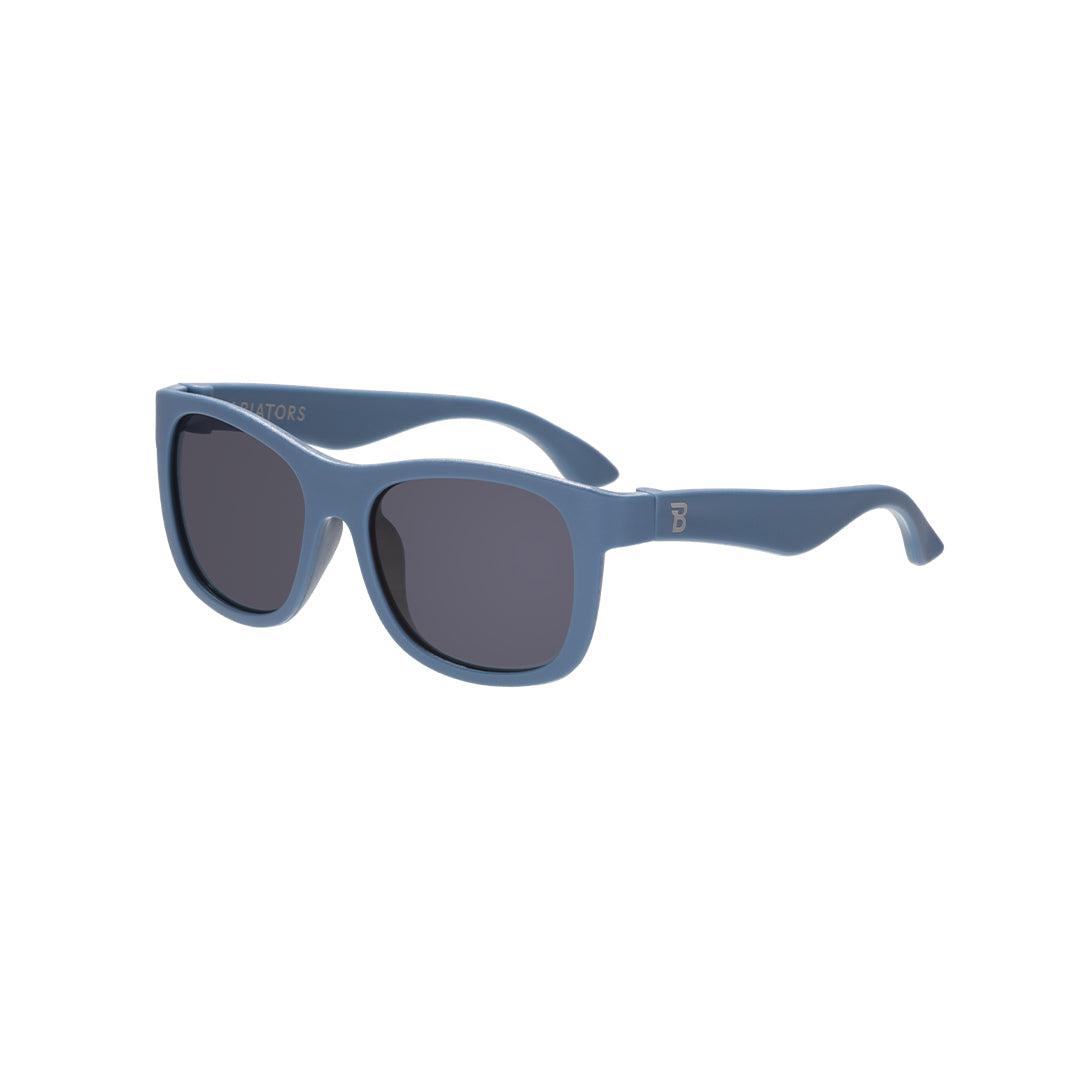
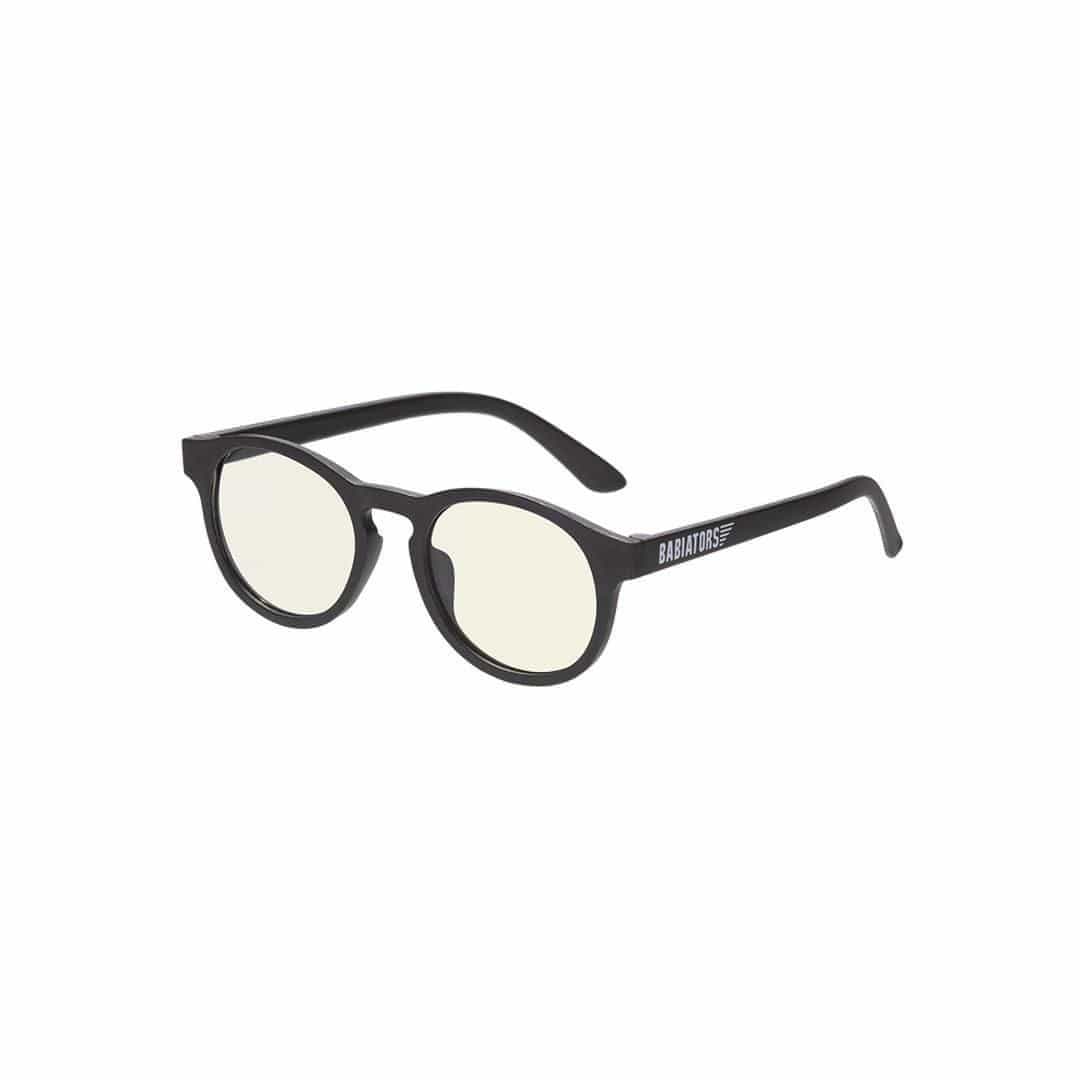


Durable Kids Eyewear That Can Handle Play
A pair of children’s sunglasses might begin the day on a buggy ride, get twisted in a sandy hand at the park, then disappear under the sofa before tea. That is exactly why durable kids' eyewear matters. Children need reliable sun protection, but parents also need frames that can keep up with the dropping, bending, grabbing and general glorious chaos of childhood.
The best pair is not simply the toughest-looking pair. It should combine proper UV protection, a secure fit and materials designed to flex rather than fail. Get those three things right and sunglasses become an easy part of heading outdoors, rather than another fragile item to worry about.
Why durable kids eyewear is worth choosing
Children’s eyes are still developing, and they can be more vulnerable to UV exposure than adult eyes. Bright days at the beach, in the garden, on holiday and even on the ski slope all call for thoughtful sun protection. A hat helps, shade helps, but sunglasses with 100% UV protection give little eyes another important layer of defence.
Durability is what makes that protection practical. If frames snap after one tumble from the pushchair, or lenses pop out when a toddler pulls them off, they are unlikely to be worn for long. A pair that feels comfortable and survives everyday play is far more likely to stay in the family’s routine.
There is a budget angle, too. Cheap sunglasses can look tempting when children outgrow things quickly. Yet replacing broken pairs several times a season can cost more, create more waste and leave your child without sun protection when you need it. Spending a little more on a well-made pair can be the calmer choice, especially if it is backed by a clear replacement promise.
What makes kids’ sunglasses genuinely tough?
“Durable” is an easy word to put on a label, so it helps to know what to look for. Start with the frame material. Children’s frames should be lightweight and flexible, with enough give to cope with enthusiastic hands. Flexible frames are not an invitation to treat sunglasses as a toy, but they are much better suited to real life than stiff, brittle plastic.
The design matters just as much as the material. Smooth edges, sturdy arms and a frame shape that sits naturally around a child’s face all reduce pressure points and make glasses less likely to be yanked off. For babies and toddlers, simplicity is a feature: fewer fiddly moving parts means fewer parts that can be strained, lost or damaged.
Lenses deserve equal attention. Look for lenses made for children’s wear and clear claims of 100% UVA and UVB protection. Dark lenses without UV protection are not a safe shortcut. They may make things look dimmer while failing to shield eyes from harmful rays. Lens technology can vary, too. Polarised lenses are especially useful around water, snow or bright pavements because they cut distracting glare, while standard protective lenses may be all a family needs for everyday park trips.
Durability should never mean heavy. If sunglasses feel bulky or pinch behind the ears, a child will keep taking them off. The sweet spot is light, flexible and secure enough for active play.
Flexible does not mean one size fits all
A strong frame still has to fit. Sunglasses that are too wide slide down little noses, which encourages children to look over the top or abandon them altogether. Frames that are too tight can leave marks and turn a sunny outing into a battle.
Age-based sizing removes much of the guesswork. A 0-2 size is designed for smaller faces, while 3-5 and 6+ options give growing children more room where they need it. These are useful starting points rather than hard rules. If your child has a particularly petite or broad face, compare the frame measurements with a pair that already fits well and trust what feels comfortable.
Check the fit at home before the big day out. The frame should sit level, feel secure when your child looks down and leave enough space for blinking and lashes. A little wriggle is normal. Constant slipping is a sign to try another size or shape.
Choose a style your child will actually wear
The most protective sunglasses are the ones that stay on. That may sound obvious, but it changes how parents should shop. A child who loves heart-shaped frames, flower details or a bold colour is more likely to reach for their sunglasses without being reminded. For another child, a classic aviator, navigator or round frame may feel just right.
Letting children choose between two parent-approved options can make a surprising difference. You still control the non-negotiables - UV protection, fit and build quality - while they get a say in the fun part. It turns sunglasses from something being put on them into something that belongs to them.
Consider where the glasses will be used most often. A family heading to the seaside or on a snowy holiday may prioritise polarised lenses for glare reduction. For nursery pick-ups, playgrounds and everyday walks, lightweight Originals may be a simple, dependable choice. An ECO Collection can also appeal when lower-impact materials and packaging are part of your family’s buying decisions.
Help sunglasses survive the school run and beyond
Even virtually indestructible frames benefit from a little care. The goal is not perfection. It is simply to avoid the most common damage and keep lenses clear enough for children to see comfortably.
Teach older children to use two hands when taking sunglasses off and to place them somewhere safe rather than balancing them on a car seat. For younger children, keep the glasses in an easy-to-reach pouch or case in the changing bag. A quick rinse with clean water can remove sand or grit before wiping lenses with a soft cloth, reducing the chance of scratches.
Avoid leaving sunglasses on a hot dashboard or radiator. Heat can affect frames and lenses over time, whatever material they are made from. And if a pair has a cracked lens, loose piece or broken frame, stop using it until it is replaced. Sun protection only works when glasses remain comfortable, secure and safe to wear.
A guarantee changes the buying decision
Parents should not have to gamble on whether children’s sunglasses will survive their first proper outing. A meaningful guarantee is a sign that a brand expects its frames to cope with family life, not just look good in a product photo.
Babiators backs its children’s sunglasses with the Awesome Guarantee, replacing broken pairs free for one year. It is the kind of reassurance that makes premium kids’ gear feel less like a risk. Before buying any pair, read the guarantee terms and understand what is covered, how a claim works and what proof of purchase you may need to keep.
A guarantee is not a substitute for checking UV protection and fit, but it is valuable protection for the parent making the purchase. It says that the product is designed for the real moments: the dropped pair at the playground, the sunglasses bent by an excited toddler and the pair that gets packed for every holiday.
Make sun safety a habit, not a struggle
Start early and keep it matter-of-fact. Put sunglasses on when you put on hats, apply sun cream and pack water. Children learn fastest from repetition, especially when they see the adults around them wearing sunglasses too.
You do not need scorching sunshine to make it worthwhile. UV rays can still be present on hazy days, and reflective surfaces such as water, sand and snow can make glare feel particularly intense. Keep a pair by the front door, in the pram or in the car so they are ready when the light changes.
The right sunglasses give children the freedom to run, climb, explore and look up at a bright sky in comfort. Choose durable kids' eyewear that fits their face, protects their eyes and matches their personality, then let the outdoor adventures get as messy as they like.
 Volver a Blog

